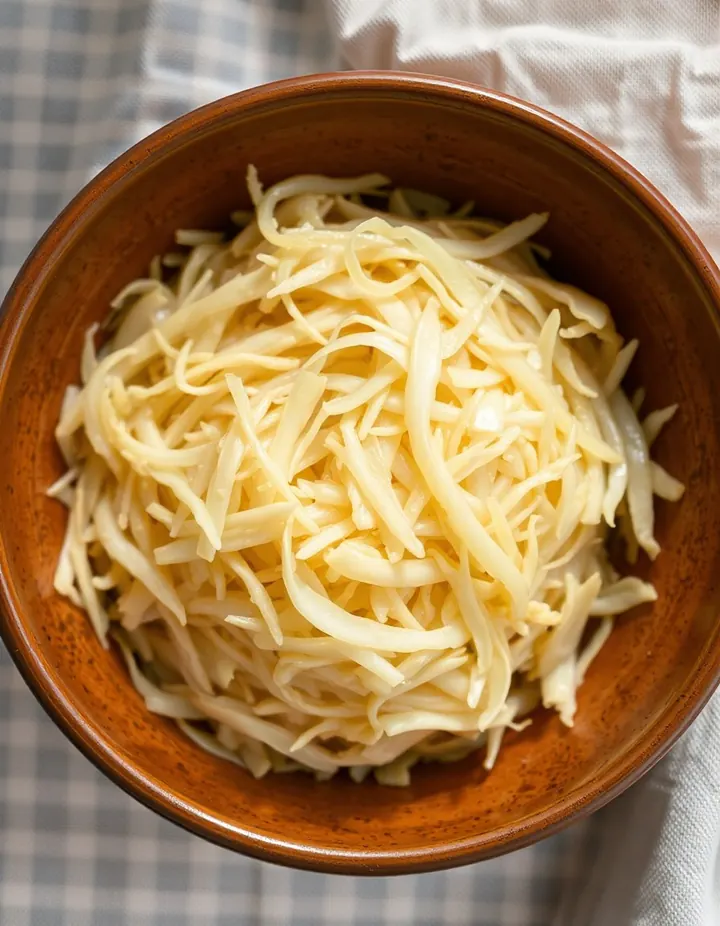
Why it works: Cabbage and pork work together. They rank in the top 16% of all ingredient pairs, and cooks put them together in 919 recipes. Both carry 2-isopropyl-3-methoxypyrazine, which smells earthy, pea. The science ↓
Sauerkraut
Ingredients
Directions
Prepare the cabbage
Trim off the tough outer leaves of the cabbage and wash it in cold salted water.
Shave the cabbage finely, discarding the tough stalks.
Ferment
Line a wooden tub with the outer green leaves.
Layer the cabbage with salt in the tub, packing it tightly with a potato masher.
Place a board over the cabbage with a heavy stone on top and let it stand for at least six weeks.
Prepare and serve
To prepare, soak the sauerkraut in cold water until it is palatably salty.
Boil the sauerkraut in water or with meat until tender.
Drain and serve the sauerkraut with the meat or as a vegetable.
Transcribed from a scanned cookbook and modernised for today's kitchens. Where the book gave no heat or time, or said "a moderate oven", the temperatures and times here may be modern equivalents rather than the book's own figures.
Photo for illustrative purposes only · Contact us to use it
Explore the science
The flavor team
The pairs that carry this dish. Each one is judged two ways: how much their aromas overlap, and how often cooks already put them together.
-
Cabbage + porktop 16% of all pairsSmell alikemoderateCooked together919 recipes
Shared aroma: 2-isopropyl-3-methoxypyrazine (earthy, pea).
Ranks compare each pair with 20,000 random ingredient pairs on CompKitchen. How we score pairs
What each ingredient does
- White cabbage
- Provides the main body and the fermentable sugars that feed the souring process.
- Fine salt
- Draws water out of the cabbage and keeps harmful microbes in check while beneficial bacteria sour it.
The step that matters
Layering the cabbage with salt and packing it tightly. Salt must be evenly distributed and the cabbage pressed down so it releases brine and stays submerged. Exposed cabbage can spoil or grow mold instead of fermenting.
“What each ingredient does” and “The step that matters” were written by Claude from this recipe’s own method and reviewed in samples by CompKitchen.
More sauerkraut recipes
You might also like
 Pork Cake107 recipes
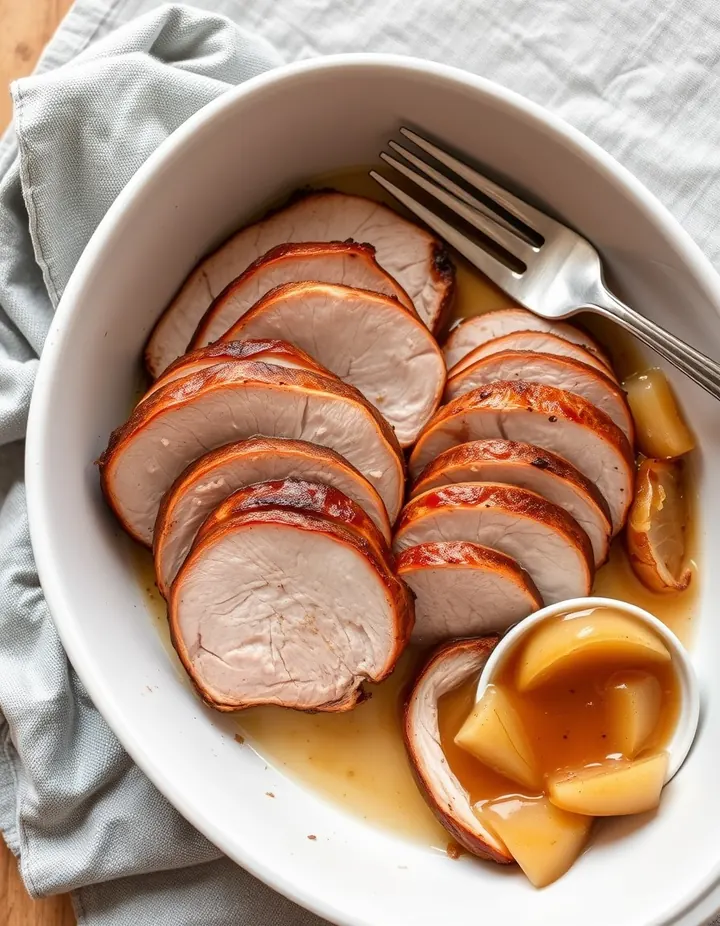 Roast Pork82 recipes
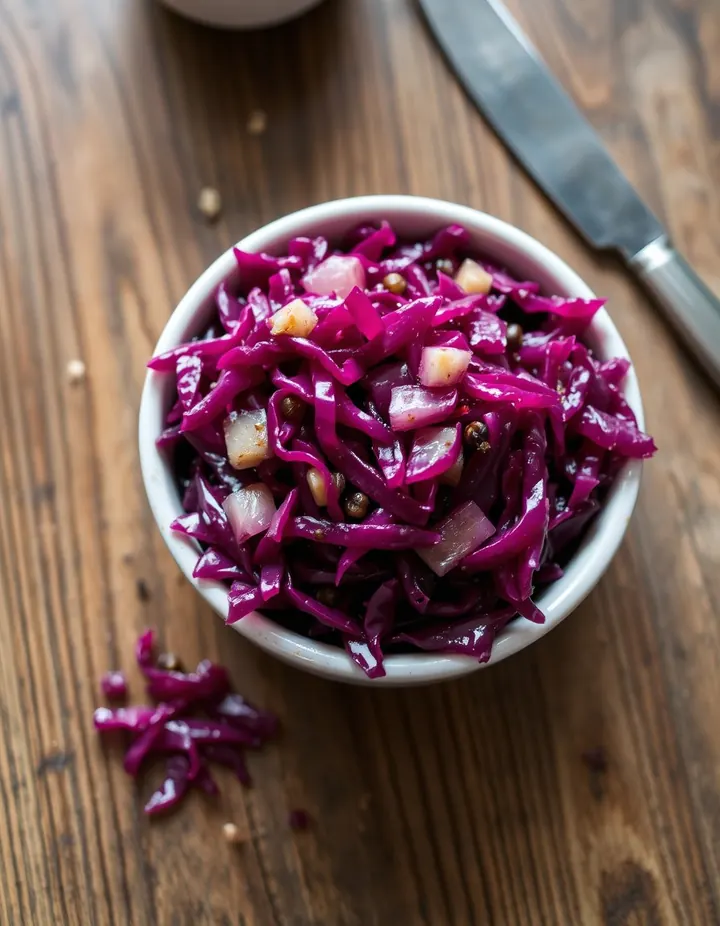 Red Cabbage65 recipes
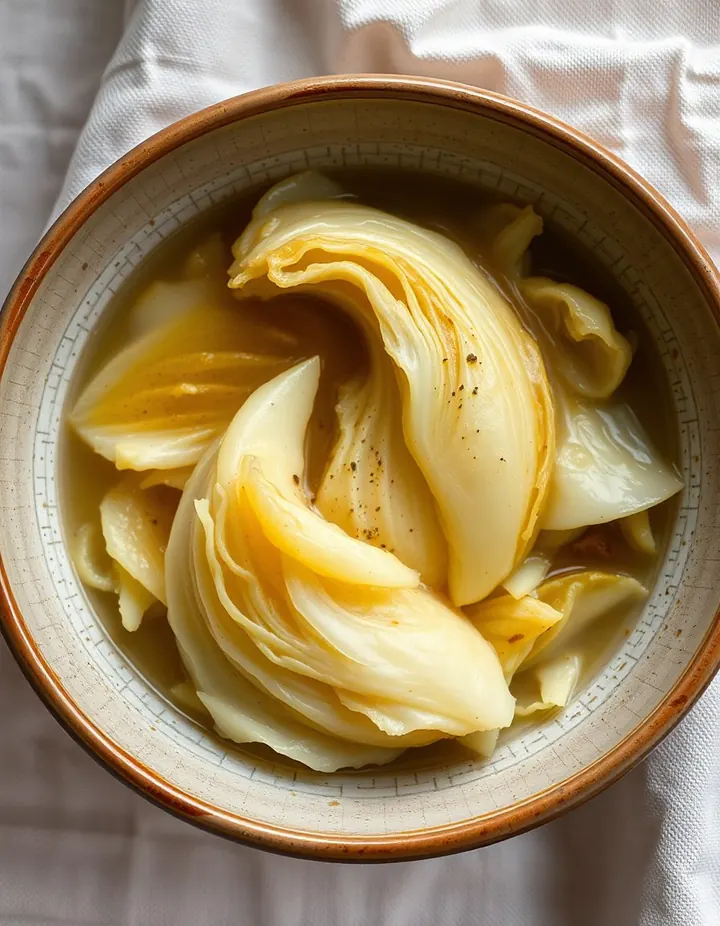 Stewed Cabbage58 recipes
The free Flavor Lab newsletter: one surprising pairing a week and the molecular reason it works, in 60 seconds. No spam, unsubscribe anytime.
Prefer an account? Create a free account to save pairings and unlock the full chemistry.