Why it works: Mace and nutmeg are a kitchen classic. They rank in the top 4% of all ingredient pairs, and cooks put them together in 6,557 recipes. Both carry myristicin, which smells spice, warm. The science ↓
Stewed Oysters
Ingredients
Directions
Prepare the oysters
Drain the oysters in a sieve over a pan to collect the liquor.
Remove the hard part from the oysters.
Place the oysters in a stew pan.
Stew the oysters
Add whole pepper, mace, nutmeg, and the butter rolled in flour.
Pour in about ½ cup of the oyster liquor.
Set the pan over medium heat.
Simmer gently for about 5 minutes.
Check if the oysters are cooked.
If they taste raw, cook them a little longer.
Serve on toast
Prepare thin slices of toast.
Butter the toast.
Place the toast in a deep dish.
Top the toast with the oysters.
Pour the cooking liquor over the toast.
Stir in a little cream before serving.
Transcribed from a scanned cookbook and modernised for today's kitchens. Where the book gave no heat or time, or said "a moderate oven", the temperatures and times here may be modern equivalents rather than the book's own figures.
Explore the science
The flavor team
The pairs that carry this dish. Each one is judged two ways: how much their aromas overlap, and how often cooks already put them together.
-
Mace + nutmegtop 4% of all pairsSmell alikemoderateCooked together6,557 recipes
Shared aroma: myristicin (spice, warm).
-
Butter + breadtop 7% of all pairsSmell alikemoderateCooked together27,232 recipes
Shared aroma: delta-decalactone (sweet, creamy).
-
Pepper + nutmegtop 7% of all pairsSmell alikestrongCooked together13,015 recipes
Shared aroma: 4'-methylacetophenone (bitter almond).
-
Butter + creamtop 8% of all pairsSmell alikemoderateCooked together41,516 recipes
Shared aroma: delta-dodecalactone (sweet, creamy).
-
Nutmeg + flourtop 8% of all pairsSmell alikemoderateCooked together18,623 recipes
Shared aroma: isobutyraldehyde (malty, green).
Ranks compare each pair with 20,000 random ingredient pairs on CompKitchen. How we score pairs
What each ingredient does
- Oysters
- Provide the main substance and a briny, savoury flavour once cooked through.
- Butter
- Adds richness and moisture, and when rolled in flour it thickens the cooking liquor.
- Oyster liquor
- Provides the moist, salty cooking liquid that gently poaches the oysters and forms the sauce.
- Bread
- Acts as a absorbent base that soaks up the sauce and adds a soft, toasted texture.
The step that matters
Cooking the oysters through. Oysters turn firm and rubbery when overcooked, but undercooked ones stay raw inside. A gentle simmer and a taste check help reach a tender, fully cooked result.
Swap the mace
How well each one fits the dish's main ingredients (oyster, pepper, nutmeg, butter, flour, bread, cream):
- Cinnamonfits better
- Parsleyfits better
- Marjoramfits better
- Macethe original
Fit is the average pairing score against oyster, pepper, nutmeg, butter, flour, bread, cream. Candidates are from the same food group and used in at least 100 recipes.
“What each ingredient does” and “The step that matters” were written by Claude from this recipe’s own method and reviewed in samples by CompKitchen.
More stewed oysters recipes
You might also like
 Brown Bread461 recipes
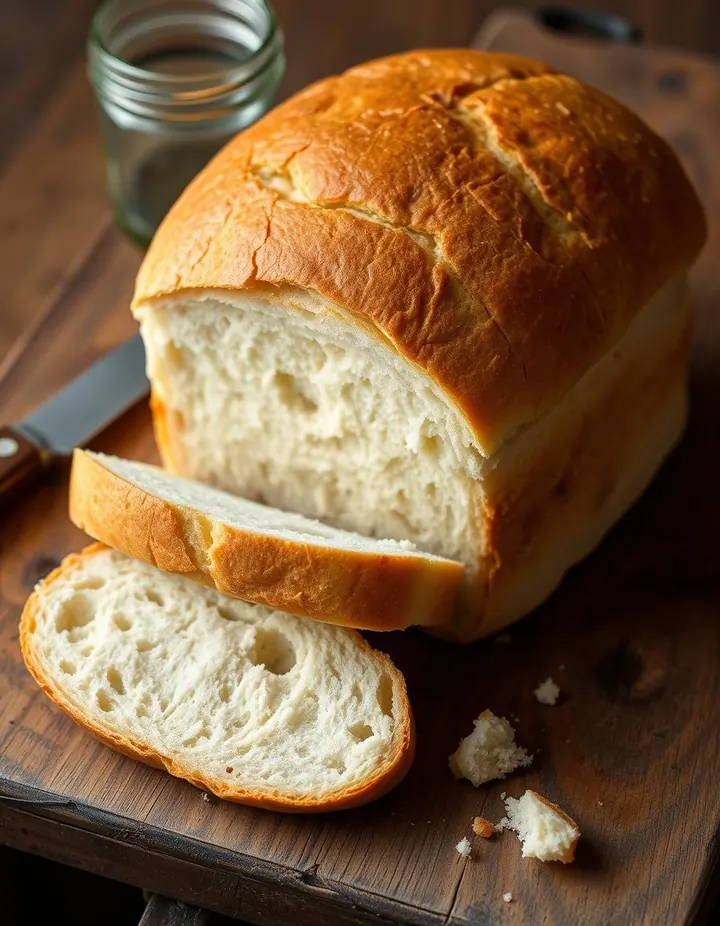 White Bread80 recipes
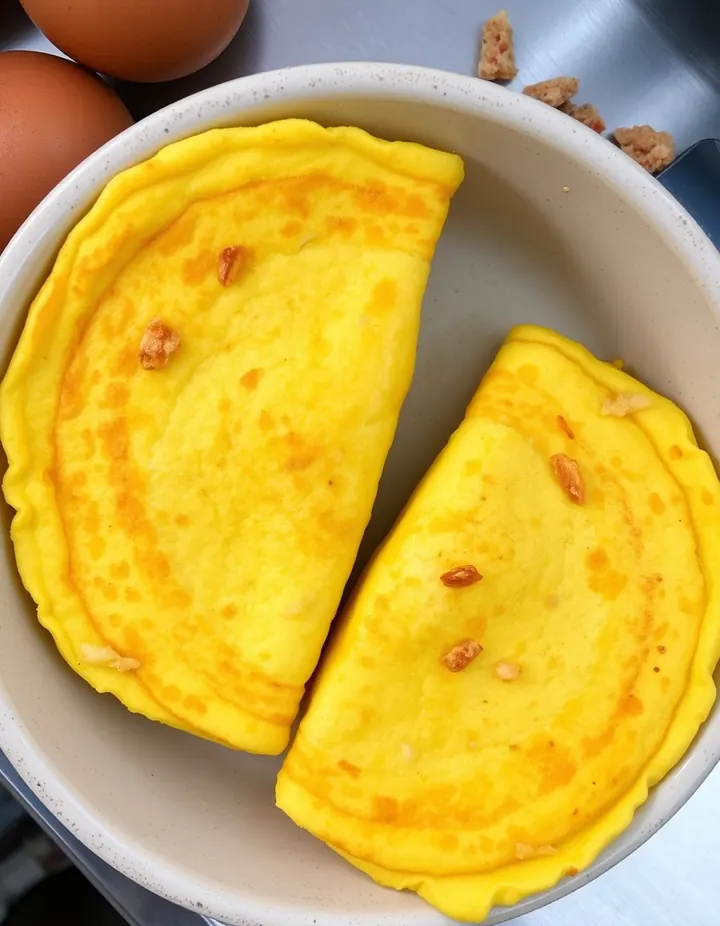 Bread Omelette60 recipes
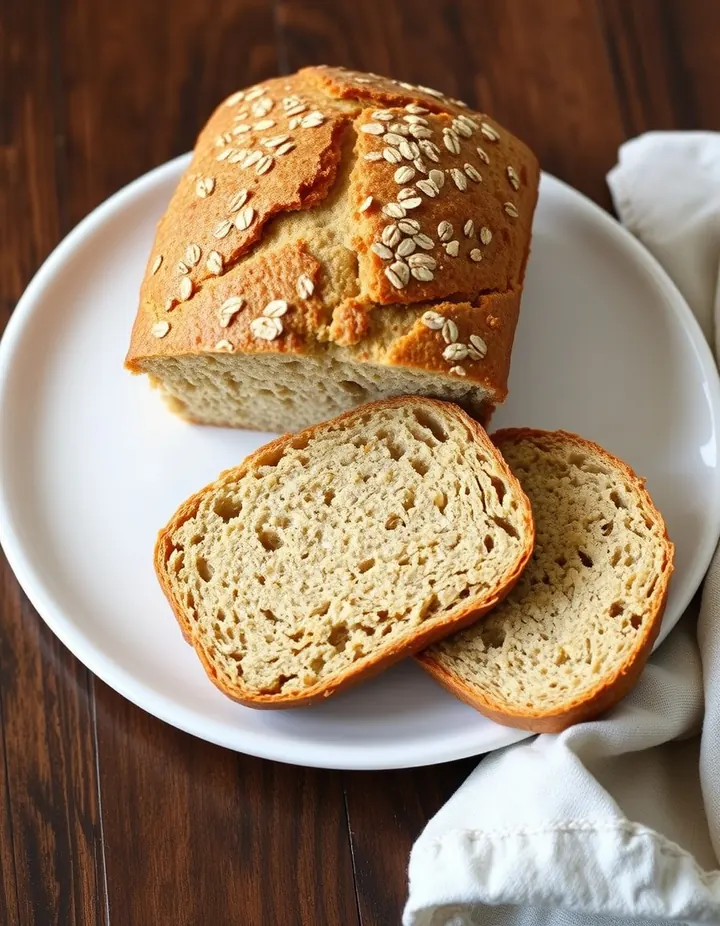 Oatmeal Bread51 recipes
The free Flavor Lab newsletter: one surprising pairing a week and the molecular reason it works, in 60 seconds. No spam, unsubscribe anytime.
Prefer an account? Create a free account to save pairings and unlock the full chemistry.