Why it works: Marjoram and lemon match in chemistry and in kitchens. They rank in the top 1% of all ingredient pairs, and cooks put them together in 957 recipes. Both carry beta-phellandrene, which smells minty, terpene. The science ↓
To Roast a Turkey
Ingredients
Directions
The book gives no oven temperature. The 400°F (200°C) in the steps was added when the recipe was transcribed, as a starting point.
Prepare
Mix grated bread-crumbs, minced suet, sweet marjoram, grated lemon peel, nutmeg, pepper, coarse sea salt, and beaten egg yolk to make a force-meat. Optionally add grated cold ham.
Singe the turkey's skin over a flame to remove hairs. Reserve the neck, liver, and gizzard for gravy.
Roast
Stuff the turkey with the force-meat, forming extra balls for frying to place around the turkey when served.
Dredge the turkey with flour. Roast it in a 400°F (200°C) oven, basting with cold lard.
Near the end of cooking, move the turkey closer to the fire, dredge lightly with flour, and baste with butter.
Roast for 2 to 3 hours, depending on size.
Make the gravy and serve
Cut giblets into pieces, season, and stew in a very little water for 2 hours. Thicken with browned flour and stir in the drippings from the pan after skimming off the fat.
Serve the turkey with ham or tongue, mushroom sauce, and stewed cranberries.
Transcribed from a scanned cookbook and modernised for today's kitchens. Where the book gave no heat or time, or said "a moderate oven", the temperatures and times here may be modern equivalents rather than the book's own figures.
Explore the science
The flavor team
The pairs that carry this dish. Each one is judged two ways: how much their aromas overlap, and how often cooks already put them together.
-
Marjoram + lemontop 1% of all pairsSmell alikestrongCooked together957 recipes
Shared aroma: beta-phellandrene (minty, terpene).
-
Marjoram + nutmegtop 1% of all pairsSmell alikestrongCooked together687 recipes
Shared aroma: estragole (anise, licorice).
-
Lemon + peppertop 3% of all pairsSmell alikestrongCooked together27,047 recipes
Shared aroma: trans-2-nonenal (cardboard, fatty).
-
Marjoram + peppertop 3% of all pairsSmell alikestrongCooked together2,609 recipes
Shared aroma: estragole (anise, licorice).
-
Lemon + nutmegtop 5% of all pairsSmell alikestrongCooked together11,318 recipes
Shared aroma: beta-phellandrene (minty, terpene).
Ranks compare each pair with 20,000 random ingredient pairs on CompKitchen. How we score pairs
What each ingredient does
- Turkey (in the method)
- Provides the main roast meat, cooked through by long, dry oven heat.
- Grated bread-crumbs
- Absorb moisture and bind the force-meat so it holds together while cooking.
- Minced suet
- Adds fat that keeps the force-meat moist and rich as it cooks.
- Beaten egg yolk
- Binds the force-meat and enriches its color and texture when cooked.
- Browned flour
- Thickens the gravy and adds a toasty, deeper flavor.
The step that matters
Basting the turkey with cold lard, then butter. Fat brushed over the skin conducts heat and promotes even browning while keeping the surface from drying out during long roasting. Switching to butter near the end adds richer browning and flavor.
“What each ingredient does” and “The step that matters” were written by Claude from this recipe’s own method and reviewed in samples by CompKitchen.
More roast turkey recipes
You might also like
 Brown Bread461 recipes
 Lemon Sauce236 recipes
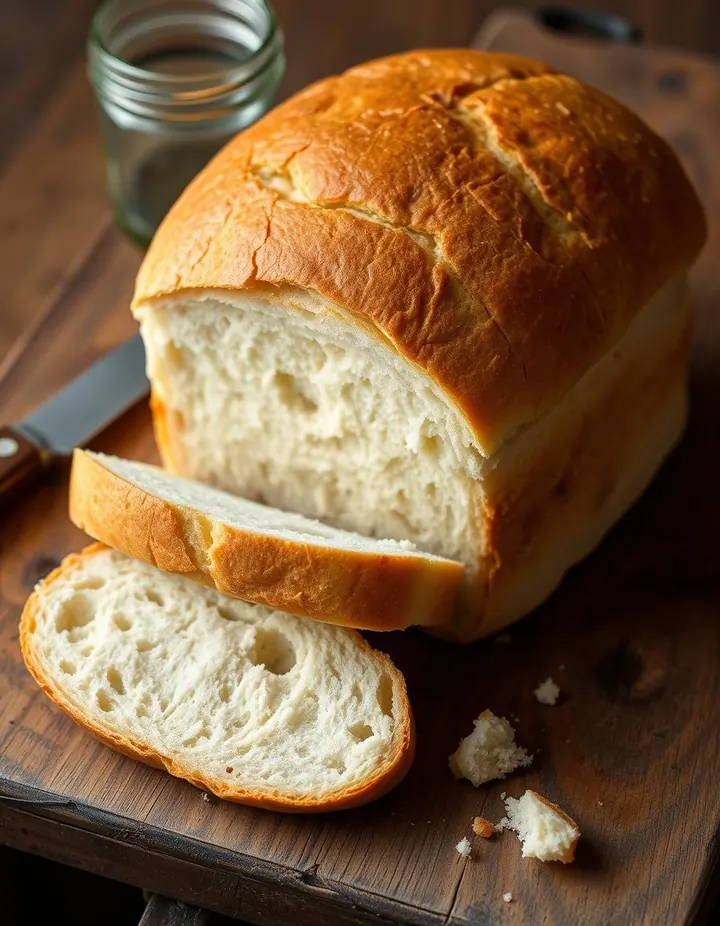 White Bread80 recipes
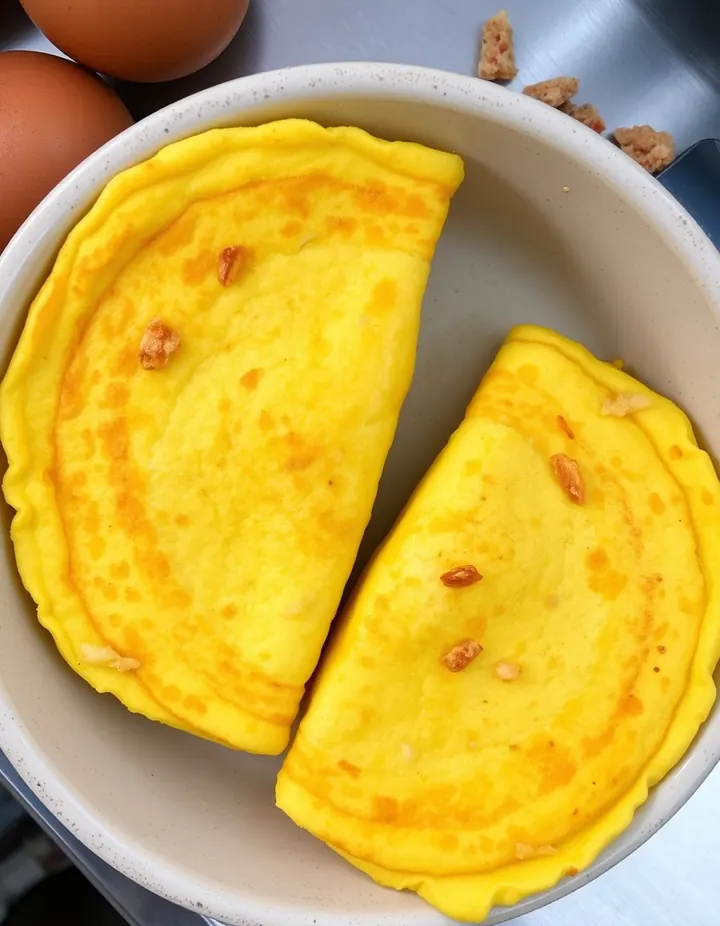 Bread Omelette60 recipes
The free Flavor Lab newsletter: one surprising pairing a week and the molecular reason it works, in 60 seconds. No spam, unsubscribe anytime.
Prefer an account? Create a free account to save pairings and unlock the full chemistry.