Why it works: Beef and carrot are a kitchen classic. They rank in the top 10% of all ingredient pairs, and cooks put them together in 6,606 recipes. Both carry 2-isopropyl-3-methoxypyrazine, which smells earthy, pea. The science ↓
To Dress Beef Tongues
Ingredients
Directions
Prepare the tongues
If tongues are fresh, no soaking is needed.
If tongues are smoked, soak them in cold water for 2-3 hours or in tepid water longer.
If tongues are extremely dry, soak them for 10-12 hours.
Cook
Bring soaked tongues to a slow boil.
Add 2-3 carrots and a large bunch of savoury herbs after clearing the scum.
Simmer until extremely tender, about 3.5 to 4 hours for dried tongues, 3 hours less for unsmoked tongues.
Once tender, the skin will peel off easily.
Transcribed from a scanned cookbook and modernised for today's kitchens. Where the book gave no heat or time, or said "a moderate oven", the temperatures and times here may be modern equivalents rather than the book's own figures.
Explore the science
The flavor team
The pairs that carry this dish. Each one is judged two ways: how much their aromas overlap, and how often cooks already put them together.
-
Beef + carrottop 10% of all pairsSmell alikemoderateCooked together6,606 recipes
Shared aroma: 2-isopropyl-3-methoxypyrazine (earthy, pea).
Ranks compare each pair with 20,000 random ingredient pairs on CompKitchen. How we score pairs
What each ingredient does
- Beef tongues
- Main protein; slow simmering turns its tough muscle tender and gelatinous.
- Carrots
- Add sweetness and aromatic depth to the cooking liquid.
The step that matters
Simmer until extremely tender. Beef tongue is dense connective tissue, and it only becomes tender after a long, gentle simmer that slowly converts collagen to gelatin. Cooking too briskly toughens the meat and can leave it chewy, so the timing depends on whether the tongues were dried or unsmoked.
“What each ingredient does” and “The step that matters” were written by Claude from this recipe’s own method and reviewed in samples by CompKitchen.
You might also like
 Roast Beef211 recipes
 Beef Loaf175 recipes
 Carrot Soup134 recipes
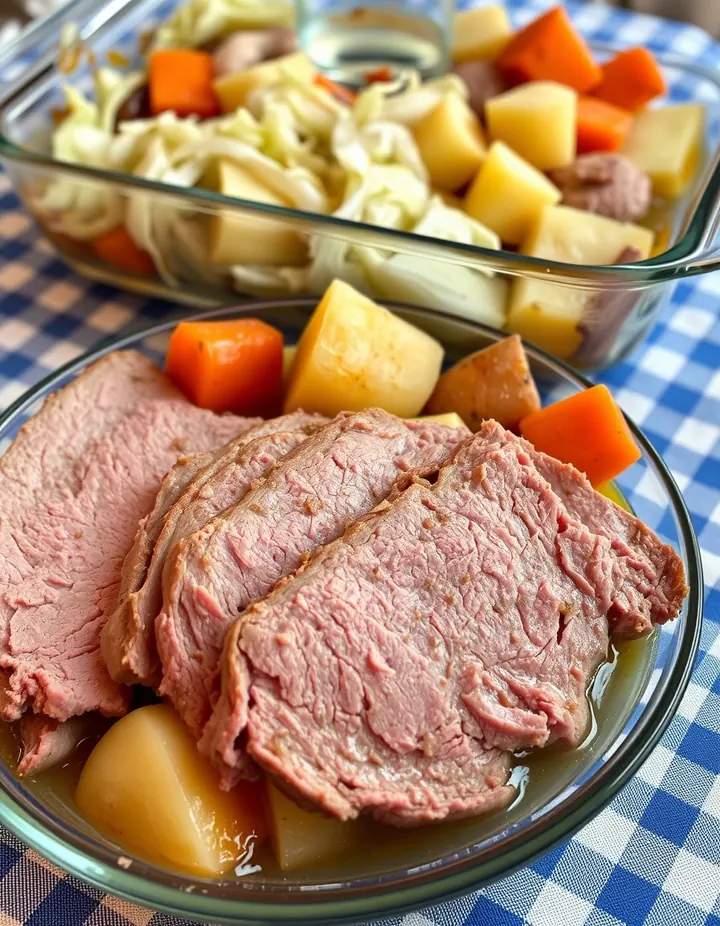 Corned Beef87 recipes
The free Flavor Lab newsletter: one surprising pairing a week and the molecular reason it works, in 60 seconds. No spam, unsubscribe anytime.
Prefer an account? Create a free account to save pairings and unlock the full chemistry.