Why it works: Spinach and saffron match in chemistry and in kitchens. They rank in the top 2% of all ingredient pairs, and cooks put them together in 149 recipes. Both carry nonanal, which smells fat, citrus. The science ↓
Blamange Rubane, Or, Striped Blamange
Ingredients
Directions
Prepare
Prepare 1 quart of blamange, making it a little firmer than usual.
Divide the blamange into three or four equal portions.
Rub the insides of the moulds with salad oil.
Color the portions
To one portion, add enough prepared spinach juice to color it green.
To another portion, add liquid cochineal or carmine for red color.
For a third portion, mix in a few drops of strong saffron infusion.
For a third portion, stir boiling blamange into beaten egg yolks. Thicken the egg mixture over gentle heat with 1-2 tablespoons of milk.
For chocolate color, boil chocolate smooth in a small amount of water.
Layer and set
Pour the green portion into the mould in a half-inch layer. Allow the green layer to cool until just liquid.
Pour the red portion into the mould in a half-inch layer. Allow the red layer to cool until just liquid.
Pour the saffron/egg portion into the mould in a half-inch layer. Allow the saffron/egg layer to cool until just liquid.
Pour the chocolate portion into the mould in a half-inch layer. Allow the chocolate layer to cool until just liquid.
Ensure each layer is completely cold before adding the next to prevent mixing.
If ice is unavailable, place the moulds in salted water.
Transcribed from a scanned cookbook and modernised for today's kitchens. Where the book gave no heat or time, or said "a moderate oven", the temperatures and times here may be modern equivalents rather than the book's own figures.
Explore the science
The flavor team
The pairs that carry this dish. Each one is judged two ways: how much their aromas overlap, and how often cooks already put them together.
-
Spinach + saffrontop 2% of all pairsSmell alikestrongCooked together149 recipes
Shared aroma: nonanal (fat, citrus).
-
Milk + chocolatetop 13% of all pairsSmell alikemoderateCooked together9,128 recipes
Shared aroma: gamma-nonanolactone (coconut, sweet).
-
Saffron + milktop 15% of all pairsSmell alikemoderateCooked together319 recipes
Shared aroma: eucalyptol (eucalyptus, herbal).
-
Egg + milktop 18% of all pairsSmell alikemoderateCooked together88,785 recipes
Shared aroma: 2-nonenal (fatty, green).
-
Spinach + eggtop 22% of all pairsSmell alikelowCooked together2,323 recipes
Shared aroma: 1-octen-3-ol (mushroom, earthy).
Ranks compare each pair with 20,000 random ingredient pairs on CompKitchen. How we score pairs
What each ingredient does
- Egg yolks
- Thicken the saffron portion and add richness and a yellow color.
- Chocolate
- Adds brown color and a cocoa flavor to one of the layers.
- Isinglass or calf's-foot jelly
- Provides the gel that holds each striped layer firm when set.
The step that matters
Let each layer cool until just liquid before pouring the next. If a layer is still warm or fully set when the next is poured, the layers can mix and blur the stripes. Each layer needs to be cold enough to hold its shape but still liquid enough to bond lightly to the one above.
Swap the saffron
The recipe marks saffron as optional. How well each one fits the dish's main ingredients (spinach, egg, milk, chocolate):
- Cinnamonfits better
- Nutmegfits better
- Saffronthe original
- Peppermintfits about as well
Fit is the average pairing score against spinach, egg, milk, chocolate. Candidates are from the same food group and used in at least 100 recipes.
“What each ingredient does” and “The step that matters” were written by Claude from this recipe’s own method and reviewed in samples by CompKitchen.
You might also like
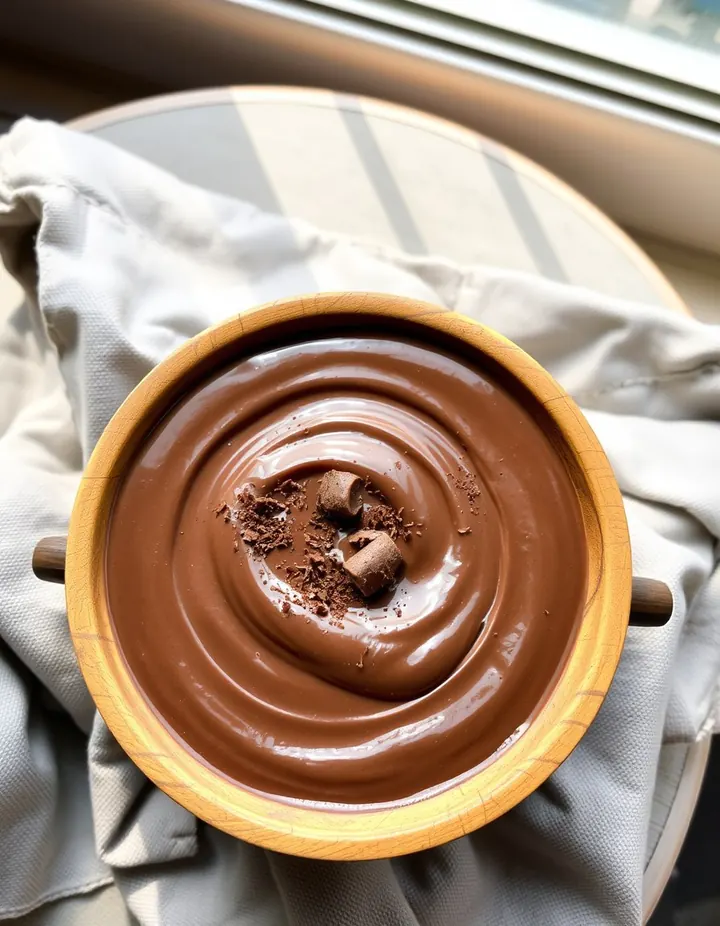 Chocolate Cream171 recipes
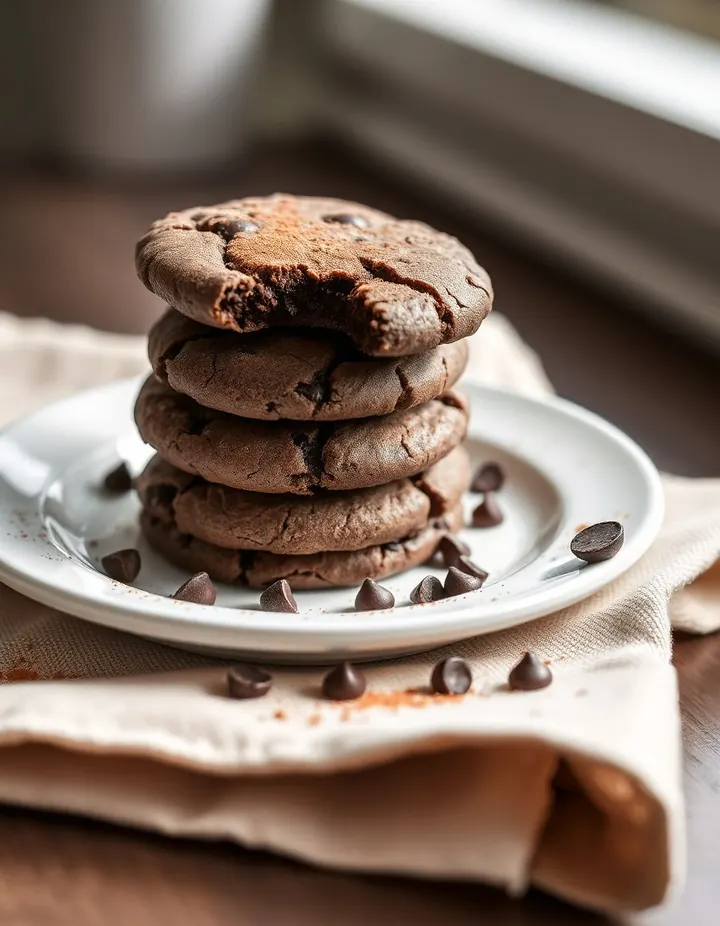 Chocolate Cookies76 recipes
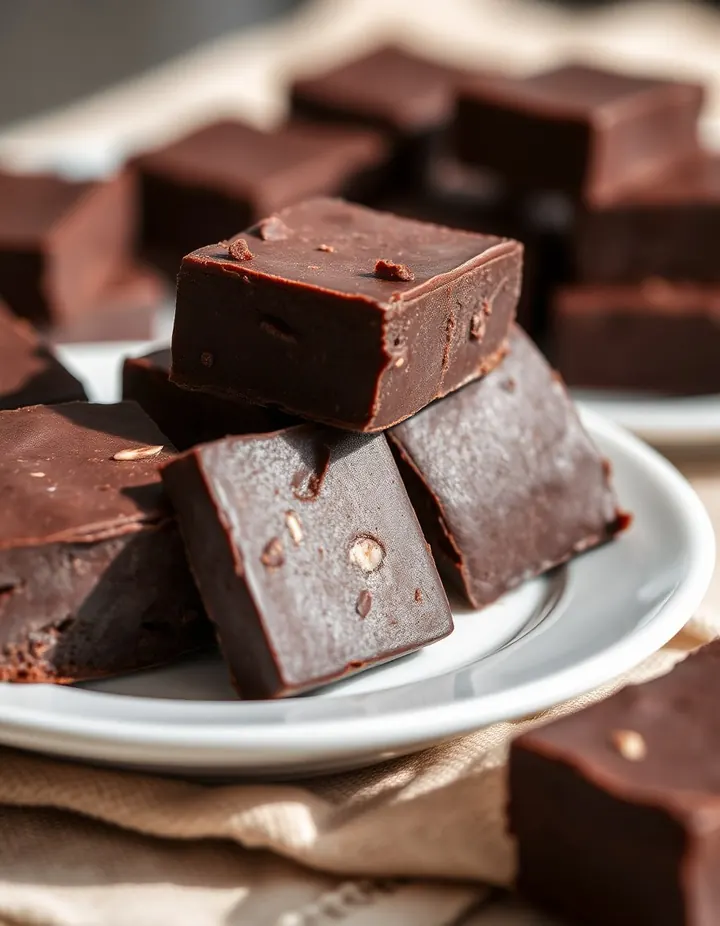 Chocolate Fudge55 recipes
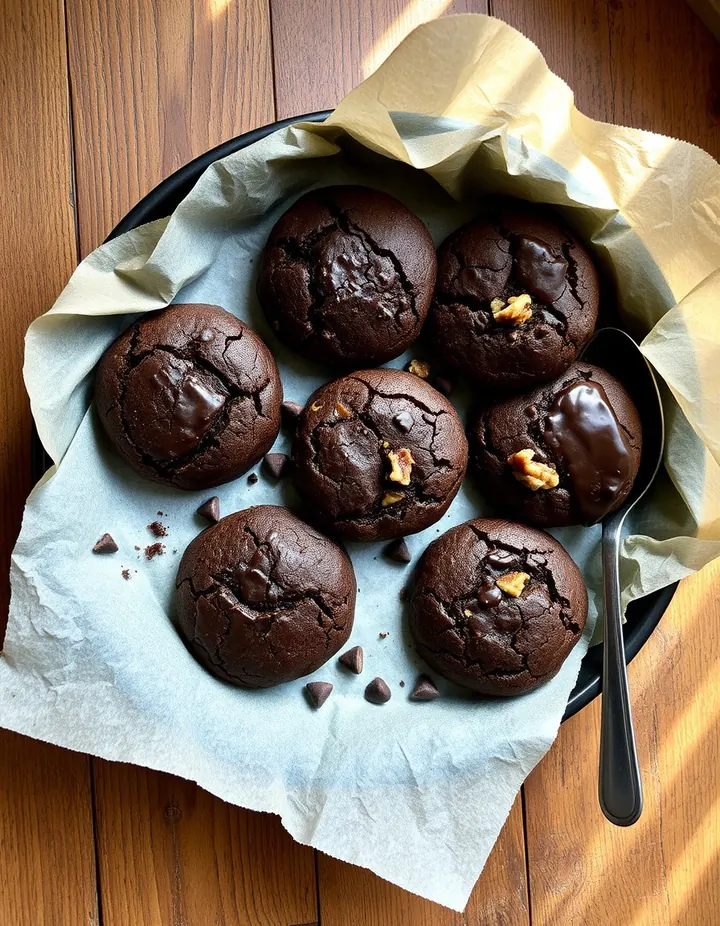 Chocolate Drop Cookies50 recipes
The free Flavor Lab newsletter: one surprising pairing a week and the molecular reason it works, in 60 seconds. No spam, unsubscribe anytime.
Prefer an account? Create a free account to save pairings and unlock the full chemistry.