Why it works: Sage and pepper match in chemistry and in kitchens. They rank in the top 3% of all ingredient pairs, and cooks put them together in 5,388 recipes. Both carry beta-phellandrene, which smells minty, terpene. The science ↓
To Roast a Sucking-pig
Ingredients
Directions
Prepare the pig
Prepare the pig by removing the entrails and washing it well in cold water.
Stuff the belly with sage, bread, salt, pepper, and onion, then sew it up.
Skewer the legs back to ensure even cooking.
Roast
Place the pig by a brisk fire until it is thoroughly dry.
Rub the pig all over with butter using a dry cloth.
Dredge flour over the pig and do not touch it again until serving.
Rub the pig with a buttered cloth and remove the head while cooking.
Serve
Carefully scrape off the flour with a blunt knife or coarse towel before serving.
Take out the brains and mix them with the gravy or form them into balls with bread crumbs and egg.
Transcribed from a scanned cookbook and modernised for today's kitchens. Where the book gave no heat or time, or said "a moderate oven", the temperatures and times here may be modern equivalents rather than the book's own figures.
Explore the science
The flavor team
The pairs that carry this dish. Each one is judged two ways: how much their aromas overlap, and how often cooks already put them together.
-
Sage + peppertop 3% of all pairsSmell alikestrongCooked together5,388 recipes
Shared aroma: beta-phellandrene (minty, terpene).
-
Bread + buttertop 7% of all pairsSmell alikemoderateCooked together27,232 recipes
Shared aroma: delta-decalactone (sweet, creamy).
-
Pepper + oniontop 11% of all pairsSmell alikemoderateCooked together68,474 recipes
Shared aroma: 2-isopropyl-3-methoxypyrazine (earthy, pea).
-
Butter + flourtop 12% of all pairsSmell alikelowCooked together124,287 recipes
Shared aroma: isobutyraldehyde (malty, green).
-
Sage + oniontop 12% of all pairsSmell alikemoderateCooked together3,628 recipes
Shared aroma: coumarin (sweet, hay).
Butter and flour barely smell alike, yet cooks put them together in 124,287 recipes: they work on texture and structure more than aroma.
Ranks compare each pair with 20,000 random ingredient pairs on CompKitchen. How we score pairs
What each ingredient does
- Sucking pig
- Provides the main meat, which cooks slowly over a fire to become tender and juicy.
- Butter
- Adds richness and helps the skin brown and turn golden as it roasts.
- Flour
- Dredged over the skin to form a crust that crisps during roasting.
- White bread
- Soaks up juices inside the belly, adding moisture and body to the stuffing.
- Onion
- Adds savory aroma and sweetness to the stuffing as it cooks inside the pig.
The step that matters
Dry the pig thoroughly before roasting. Surface moisture must evaporate before the skin can brown and crisp. Drying by a brisk fire lets the skin dry out so the butter and flour can form a crust instead of steaming the skin.
Swap the onion
How well each one fits the dish's main ingredients (sage, bread, pepper, butter, flour):
- Shallotfits better
- Capsicumfits better
- Sweet potatofits better
- Onionthe original
Fit is the average pairing score against sage, bread, pepper, butter, flour. Candidates are from the same food group and used in at least 100 recipes.
“What each ingredient does” and “The step that matters” were written by Claude from this recipe’s own method and reviewed in samples by CompKitchen.
You might also like
 Brown Bread461 recipes
 White Bread80 recipes
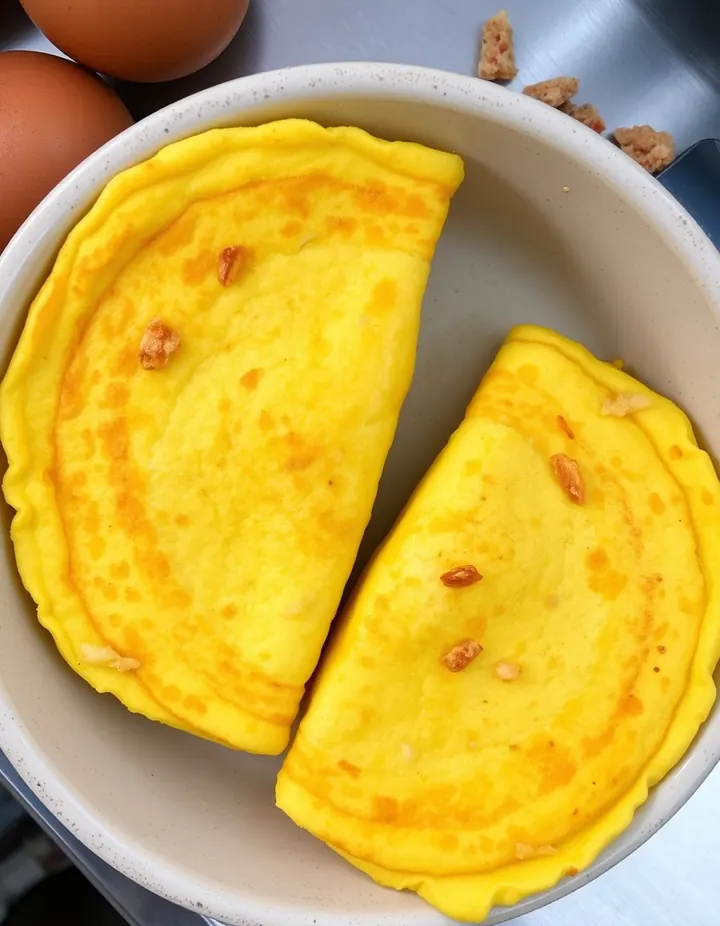 Bread Omelette60 recipes
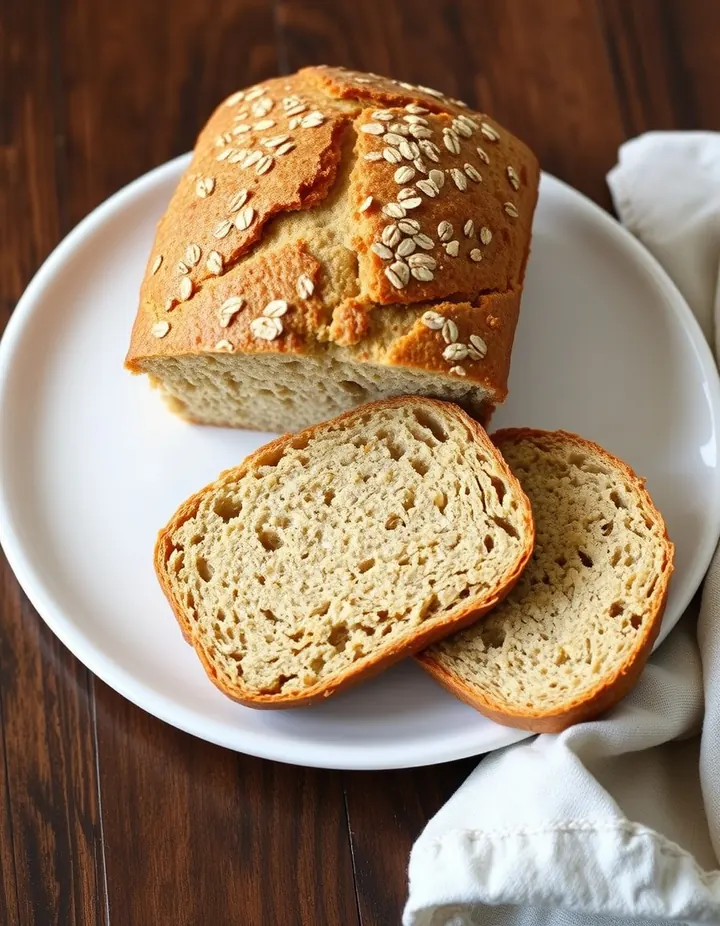 Oatmeal Bread51 recipes
The free Flavor Lab newsletter: one surprising pairing a week and the molecular reason it works, in 60 seconds. No spam, unsubscribe anytime.
Prefer an account? Create a free account to save pairings and unlock the full chemistry.