Why it works: Butter and cream are a kitchen classic. They rank in the top 8% of all ingredient pairs, and cooks put them together in 41,516 recipes. Both carry delta-dodecalactone, which smells sweet, creamy. The science ↓
Rarebit of Chestnut
Ingredients
Directions
The book gives no oven temperature. The 400°F (200°C) in the steps was added when the recipe was transcribed, as a starting point.
Prepare the chestnuts
Cut a half-inch cross on the flat side of each chestnut.
Place chestnuts in a frying pan and add 3 teaspoons of butter. Shake well on the stove and set in the oven at 400°F (200°C) for 5 minutes.
Remove from oven and shell the chestnuts using a small knife.
Cook shelled chestnuts in boiling salted water until soft.
Drain and measure out 1 heaping cup for garnishing, then mash the remaining 2 cups.
Season the mashed chestnuts with salt and pepper, and beat lightly with a fork.
Make the garnish
For the whole chestnuts, heat 1 tablespoon of butter in a frying pan.
Add ½ teaspoon of beef extract and shake until well coated.
Sprinkle with paprika and keep warm until ready to serve.
Make the rarebit and serve
In a chafing dish, combine the mashed chestnuts, 1 tablespoon of butter, 2 tablespoons of sugar, and 1 cup of thin cream.
Stir in 1 even spoon of beef extract and a dash of paprika until just bubbling.
Pour the mixture over toasted crackers and garnish with the deviled chestnuts.
Transcribed from a scanned cookbook and modernised for today's kitchens. Where the book gave no heat or time, or said "a moderate oven", the temperatures and times here may be modern equivalents rather than the book's own figures.
Explore the science
The flavor team
The pairs that carry this dish. Each one is judged two ways: how much their aromas overlap, and how often cooks already put them together.
-
Butter + creamtop 8% of all pairsSmell alikemoderateCooked together41,516 recipes
Shared aroma: delta-dodecalactone (sweet, creamy).
-
Sugar + creamtop 9% of all pairsSmell alikemoderateCooked together43,450 recipes
Shared aroma: 2,3-butanedione (butter, sweet).
-
Pepper + beeftop 10% of all pairsSmell alikemoderateCooked together18,971 recipes
Shared aroma: 2-isopropyl-3-methoxypyrazine (earthy, pea).
-
Chestnut + peppertop 13% of all pairsSmell alikemoderateCooked together826 recipes
Shared aroma: ethyl octanoate (fruity, wine).
-
Chestnut + beeftop 16% of all pairsSmell alikemoderateCooked together197 recipes
Shared aroma: ethyl octanoate (fruity, wine).
Ranks compare each pair with 20,000 random ingredient pairs on CompKitchen. How we score pairs
What each ingredient does
- Chestnuts
- Provide the main body and starchy, mealy texture of the rarebit.
- Thin cream
- Adds moisture and richness so the mashed chestnuts form a smooth, spreadable mixture.
- Butter
- Adds fat for richness and flavor and helps coat the chestnuts as they cook.
- Beef extract
- Contributes concentrated savory, meaty flavor to the chestnuts and the rarebit.
- Sugar
- Adds sweetness that balances the savory beef extract and the nutty chestnuts.
The step that matters
Stirring in the beef extract until just bubbling. Beef extract is concentrated and salty-savory; adding it to a hot cream mixture and heating past a gentle bubble can scorch the cream and make the sauce grainy or bitter. Heating gently keeps the cream smooth.
Swap the chestnut
How well each one fits the dish's main ingredients (butter, pepper, beef, sugar, cream):
- Almondfits about as well
- Beansfits about as well
- Chestnutthe original
- Peanutfits about as well
Fit is the average pairing score against butter, pepper, beef, sugar, cream. Candidates are from the same food group and used in at least 100 recipes.
“What each ingredient does” and “The step that matters” were written by Claude from this recipe’s own method and reviewed in samples by CompKitchen.
You might also like
 Roast Beef211 recipes
 Beef Loaf175 recipes
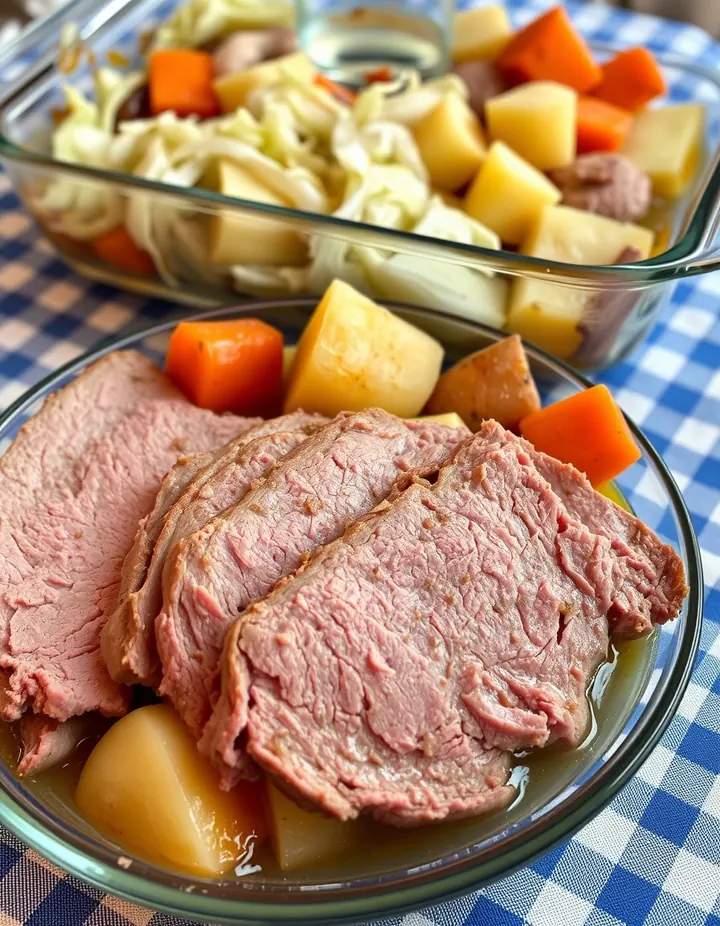 Corned Beef87 recipes
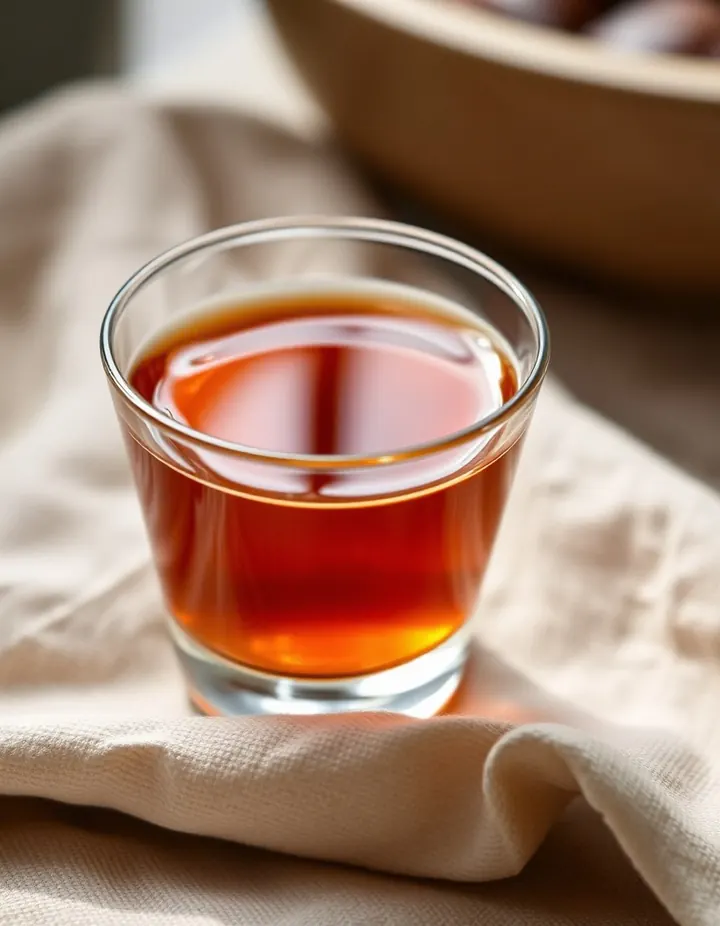 Beef Broth67 recipes
The free Flavor Lab newsletter: one surprising pairing a week and the molecular reason it works, in 60 seconds. No spam, unsubscribe anytime.
Prefer an account? Create a free account to save pairings and unlock the full chemistry.