Why it works: Grape and wine work together. They rank in the top 9% of all ingredient pairs, and cooks put them together in 819 recipes. Both carry 1-p-menthene-8-thiol, which smells grapefruit. The science ↓
Ms. Grape Wine
Ingredients
Directions
Prepare the grapes
Gather grapes on a dry day after the morning dew has disappeared.
Pick grapes from the stems, selecting only ripe and perfect fruit.
Mash the grapes thoroughly without bruising the seeds.
Let the mashed grapes sit for 24 hours.
Strain the mixture through a colander or sieve.
Make the wine
Sweeten the juice until it can float an egg the size of a twenty‑cent piece.
Pour the juice into jugs, leaving the mouths unstopped.
Reserve a bottle of juice to replace any that escapes during fermentation.
When fermentation ceases, pour the wine into a large bowl.
Wash sand until the water runs clear, then beat in the egg whites and stir into the wine.
Clear and bottle
Once settled and clear, pour off the wine into clean jugs using a muslin‑lined funnel.
Cork the jugs tightly and store in a cool place until late October or early November.
Before bottling, wash, dry, and sun the bottles, and prepare new corks.
Strain the wine again into large pitchers, avoiding stirring up sediment.
Cover the funnel with muslin before placing it in the bottle.
Transcribed from a scanned cookbook and modernised for today's kitchens. Where the book gave no heat or time, or said "a moderate oven", the temperatures and times here may be modern equivalents rather than the book's own figures.
Explore the science
The flavor team
The pairs that carry this dish. Each one is judged two ways: how much their aromas overlap, and how often cooks already put them together.
-
Grape + winetop 9% of all pairsSmell alikemoderateCooked together819 recipes
Shared aroma: 1-p-menthene-8-thiol (grapefruit).
-
Sugar + eggtop 21% of all pairsSmell alikemoderateCooked together122,807 recipes
Shared aroma: 2-nonenal (fatty, green).
-
Grape + sugartop 23% of all pairsSmell alikelowCooked together7,490 recipes
Shared aroma: beta-damascenone (apple, rose).
-
Grape + eggtop 30% of all pairsSmell alikelowCooked together4,690 recipes
Shared aroma: (e)-2-octenal (fatty, green).
-
Sugar + winetop 31% of all pairsSmell alikelowCooked together9,581 recipes
Shared aroma: beta-damascenone (apple, rose).
Ranks compare each pair with 20,000 random ingredient pairs on CompKitchen. How we score pairs
What each ingredient does
- Ripe grapes
- Supply the juice and natural sugars that yeast ferments into alcohol.
- Sugar
- Sweetens the juice and feeds fermentation, raising the alcohol content.
- Whites of 4 eggs
- Help fine the wine, binding suspended particles so they settle out for clarity.
The step that matters
Sweetening the juice to the egg test. The egg float test measures the juice's density, which reflects its sugar level. Too little sugar gives a weak wine, while too much can slow or stall yeast fermentation.
Swap the grape
How well each one fits the dish's main ingredients (sugar, egg, wine):
- Vanillafits better
- Lemonfits better
- Applefits about as well
- Grapethe original
Fit is the average pairing score against sugar, egg, wine. Candidates are from the same food group and used in at least 100 recipes.
“What each ingredient does” and “The step that matters” were written by Claude from this recipe’s own method and reviewed in samples by CompKitchen.
More grape wine recipes
You might also like
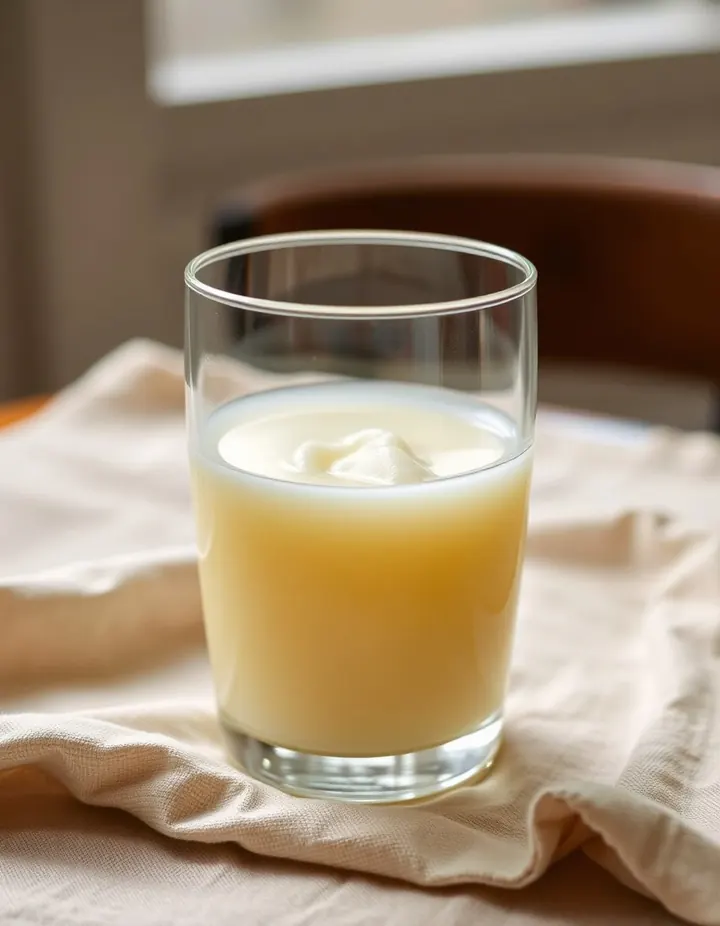 Wine Whey111 recipes
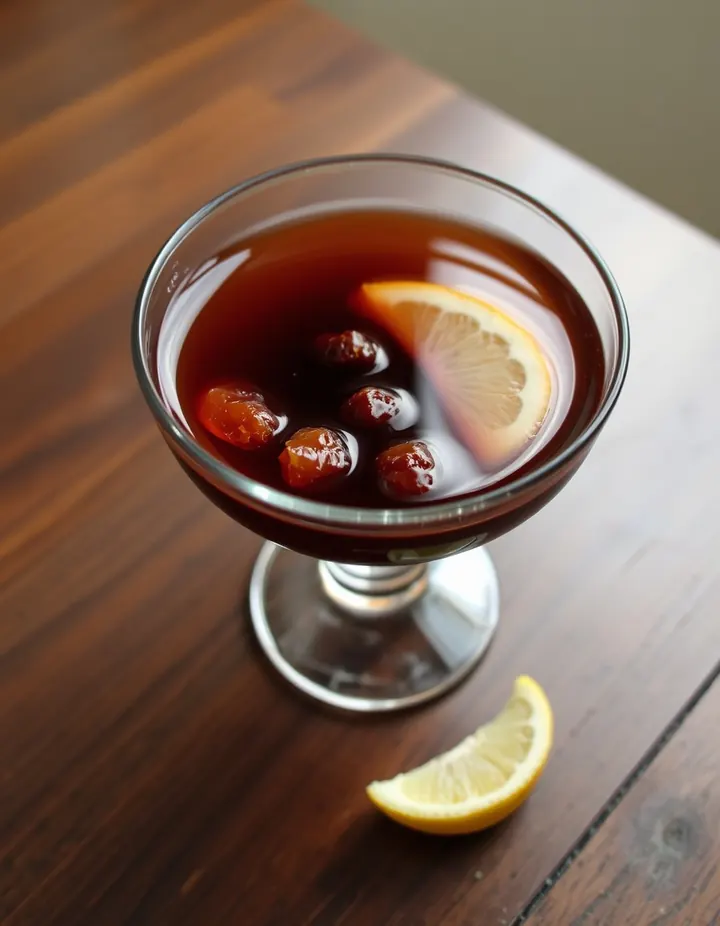 Raisin Wine64 recipes
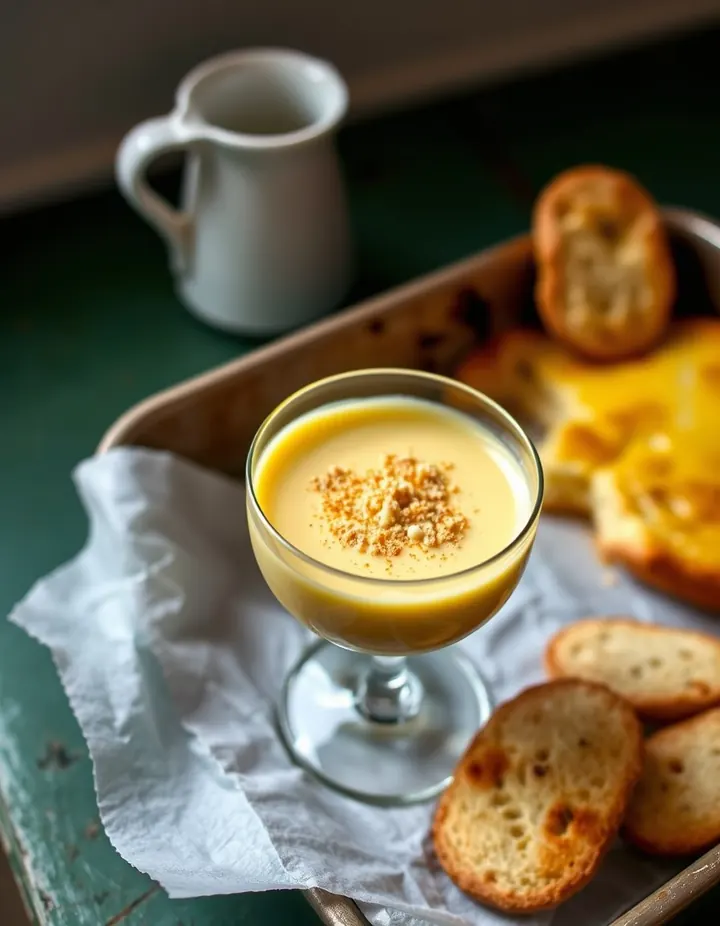 Egg Wine58 recipes
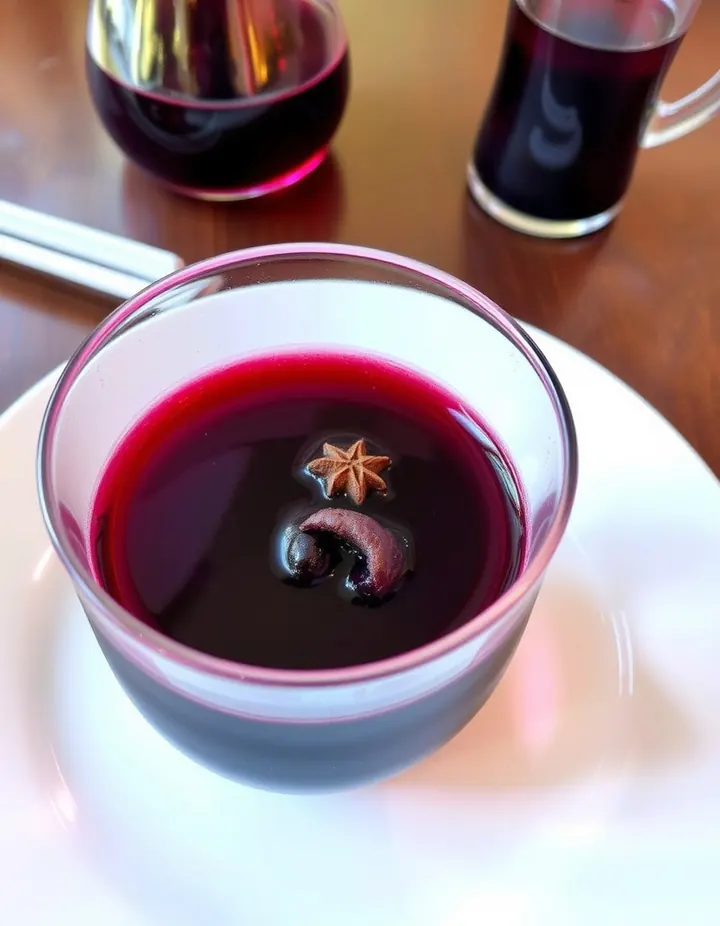 Elderberry Wine51 recipes
The free Flavor Lab newsletter: one surprising pairing a week and the molecular reason it works, in 60 seconds. No spam, unsubscribe anytime.
Prefer an account? Create a free account to save pairings and unlock the full chemistry.