Why it works: Biscuit and flour match in chemistry and in kitchens. They rank in the top 9% of all ingredient pairs, and cooks put them together in 889 recipes. Both carry isobutyraldehyde, which smells malty, green. The science ↓
Basting Roast Meat
Ingredients
Directions
The book gives no oven temperature. The 400°F (200°C) in the steps was added when the recipe was transcribed, as a starting point.
Prepare the oven
Preheat your oven to 400°F (200°C).
Baste the meat
Baste the roast meat every 10 minutes with its own drippings.
For veal and poultry, add butter or suet to the basting.
For mutton and lamb, use claret, sweet herbs, and butter.
For pig, use cream and melted butter.
For white meats, mix yolk of eggs, grated biscuits, and orange juice for basting.
Brown and serve
To brown the meat, increase the fire when half done or add a glaze.
Dredge the joint lightly with flour and baste with butter to froth it.
Stir the fire and after 3 minutes, remove and serve the meat.
Transcribed from a scanned cookbook and modernised for today's kitchens. Where the book gave no heat or time, or said "a moderate oven", the temperatures and times here may be modern equivalents rather than the book's own figures.
Explore the science
The flavor team
The pairs that carry this dish. Each one is judged two ways: how much their aromas overlap, and how often cooks already put them together.
-
Biscuit + flourtop 9% of all pairsSmell alikestrongCooked together889 recipes
Shared aroma: isobutyraldehyde (malty, green).
-
Butter + flourtop 12% of all pairsSmell alikelowCooked together124,287 recipes
Shared aroma: isobutyraldehyde (malty, green).
-
Biscuit + orangetop 14% of all pairsSmell alikemoderateCooked together371 recipes
Shared aroma: nonanal (fat, citrus).
-
Meat + biscuittop 15% of all pairsSmell alikelowCooked together159 recipes
Shared aroma: nonanal (fat, citrus).
-
Egg + flourtop 15% of all pairsSmell alikelowCooked together106,462 recipes
Shared aroma: isobutyraldehyde (malty, green).
Butter and flour barely smell alike, yet cooks put them together in 124,287 recipes: they work on texture and structure more than aroma.
Ranks compare each pair with 20,000 random ingredient pairs on CompKitchen. How we score pairs
What each ingredient does
- Roast meat
- Is the joint being cooked, and the basting liquids are applied directly to its surface.
- Drippings
- Moisten the surface and carry meat flavour back onto the roast during basting.
- Butter
- Adds fat that enriches the surface and helps it froth and brown.
- Flour
- Lightly dredged onto the joint to help form a golden, slightly crisp surface.
- Yolk of eggs
- Adds fat and protein to the basting mixture, helping it set and brown on the meat.
- Claret
- Adds acidity and aromatic flavour to the basting liquid for mutton and lamb.
The step that matters
Browning the meat. Browning depends on surface heat and sugars and proteins reacting; if the fire is not raised or the surface is too wet, the meat stays pale and steams instead of browning.
Swap the orange
How well each one fits the dish's main ingredients (meat, butter, egg, biscuit, flour):
- Raisinfits better
- Coconutfits better
- Vanillafits better
- Orangethe original
Fit is the average pairing score against meat, butter, egg, biscuit, flour. Candidates are from the same food group and used in at least 100 recipes.
“What each ingredient does” and “The step that matters” were written by Claude from this recipe’s own method and reviewed in samples by CompKitchen.
You might also like
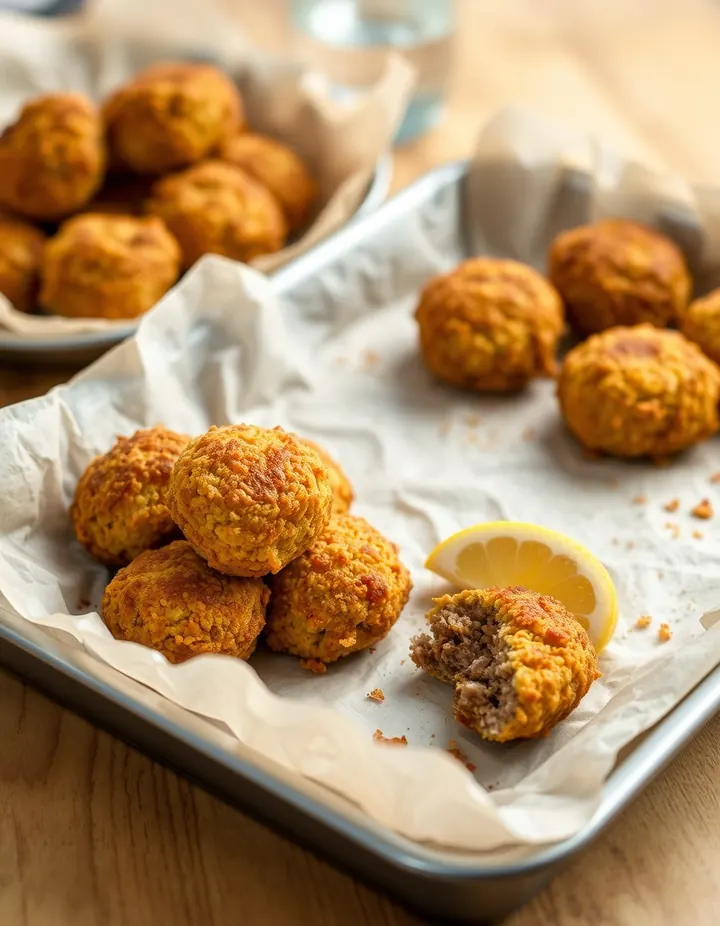 Meat Croquettes52 recipes
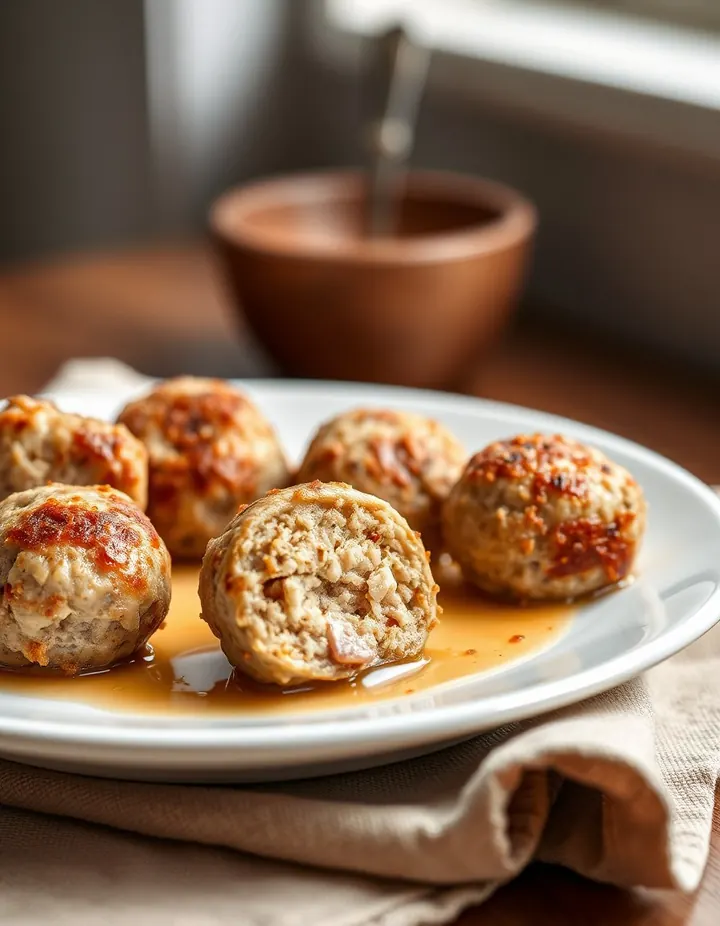 Meatballs37 recipes
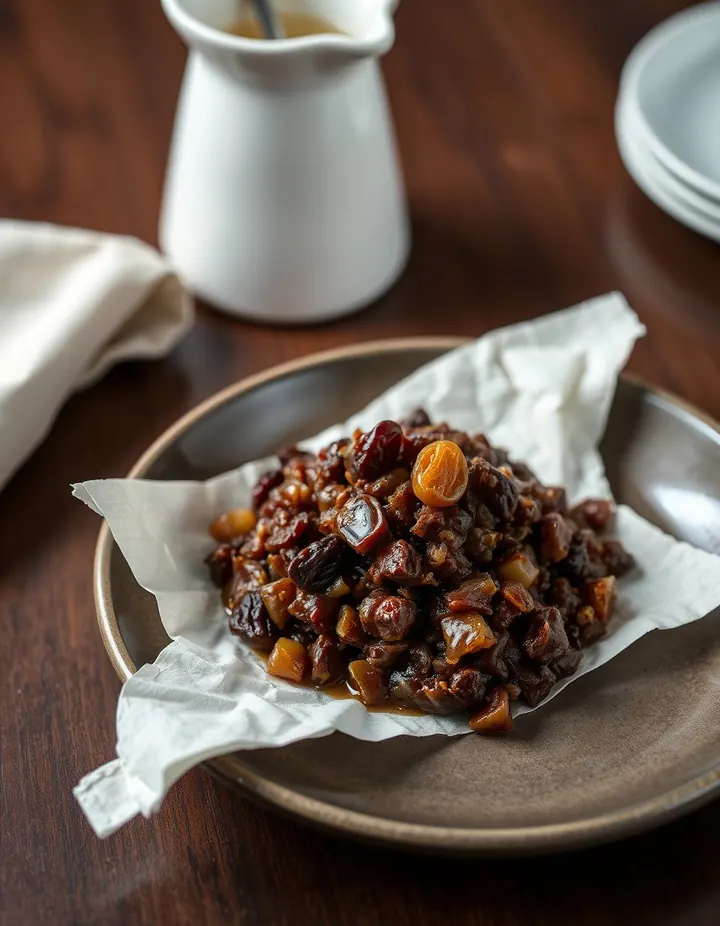 Mince Meat37 recipes
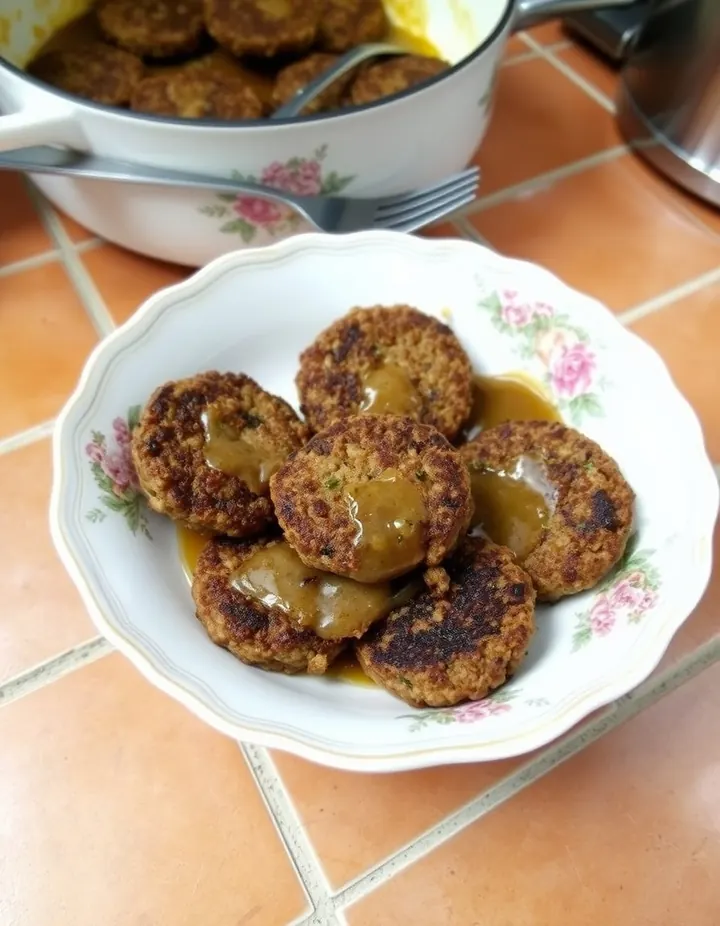 Meat Cakes35 recipes
The free Flavor Lab newsletter: one surprising pairing a week and the molecular reason it works, in 60 seconds. No spam, unsubscribe anytime.
Prefer an account? Create a free account to save pairings and unlock the full chemistry.