Why it works: Pepper and sage match in chemistry and in kitchens. They rank in the top 3% of all ingredient pairs, and cooks put them together in 5,388 recipes. Both carry beta-phellandrene, which smells minty, terpene. The science ↓
Roast Wild Turkey
Ingredients
Directions
Prepare the turkey
Wash the turkey thoroughly and soak it in salted cold water for 30 minutes.
Rinse the turkey in cold water and wipe it dry.
Rub the inside of the turkey with salt.
Prepare a dressing of moistened bread crumbs, butter, pepper, salt, sage, and chopped onion if using.
Fill the turkey with the dressing and sew up the opening.
Roast
Place the turkey in a roasting pan on its back.
Add 1 cup of hot water to the pan.
Place a generous lump of butter in the pan.
Lay thin slices of salt pork on the breast of the turkey.
Sprinkle the bird with a little salt.
Baste the turkey frequently with the pan juices until nearly done, about 1.5 to 2 hours.
Add more hot water to the pan as needed during cooking.
Make the gravy and serve
Cook the giblets in a saucepan, then chop them finely and set them aside to add to the gravy later.
Once done, place the turkey on a hot platter garnished with watercress or parsley.
Thicken the gravy with flour and water.
Season the gravy with more butter.
Add the chopped giblets to the gravy before serving in a sauceboat.
Transcribed from a scanned cookbook and modernised for today's kitchens. Where the book gave no heat or time, or said "a moderate oven", the temperatures and times here may be modern equivalents rather than the book's own figures.
Explore the science
The flavor team
The pairs that carry this dish. Each one is judged two ways: how much their aromas overlap, and how often cooks already put them together.
-
Pepper + sagetop 3% of all pairsSmell alikestrongCooked together5,388 recipes
Shared aroma: beta-phellandrene (minty, terpene).
-
Bread + buttertop 7% of all pairsSmell alikemoderateCooked together27,232 recipes
Shared aroma: delta-decalactone (sweet, creamy).
-
Turkey + porktop 7% of all pairsSmell alikemoderateCooked together830 recipes
Shared aroma: trans-2-decenal (waxy, orange).
-
Turkey + sagetop 9% of all pairsSmell alikemoderateCooked together154 recipes
Shared aroma: 2-hexenal (green, leafy).
-
Onion + porktop 10% of all pairsSmell alikemoderateCooked together18,214 recipes
Shared aroma: 2-isopropyl-3-methoxypyrazine (earthy, pea).
Ranks compare each pair with 20,000 random ingredient pairs on CompKitchen. How we score pairs
What each ingredient does
- Wild turkey
- Forms the main body of the dish, cooked whole so its meat stays moist while roasting.
- Bread crumbs
- Absorb the pan juices and butter in the dressing, keeping the stuffing moist and soft.
- Butter
- Adds fat that carries flavour and promotes gentle browning on the bird and in the gravy.
- Salt pork
- Lays fat and salt over the breast, seasoning the meat and basting it as it renders.
- Flour
- Thickens the pan juices into a smooth gravy by swelling with liquid when heated.
The step that matters
Basting the turkey frequently. Regular basting with pan juices keeps the surface moist and helps it brown evenly, while the fat in the pan carries heat across the skin. Stopping early can leave the meat dry.
Swap the onion
The recipe marks onion as optional. How well each one fits the dish's main ingredients (turkey, bread, butter, pepper, sage, pork, flour):
- Capsicumfits better
- Shallotfits better
- Potatofits better
- Onionthe original
Fit is the average pairing score against turkey, bread, butter, pepper, sage, pork, flour. Candidates are from the same food group and used in at least 100 recipes.
“What each ingredient does” and “The step that matters” were written by Claude from this recipe’s own method and reviewed in samples by CompKitchen.
You might also like
 Brown Bread461 recipes
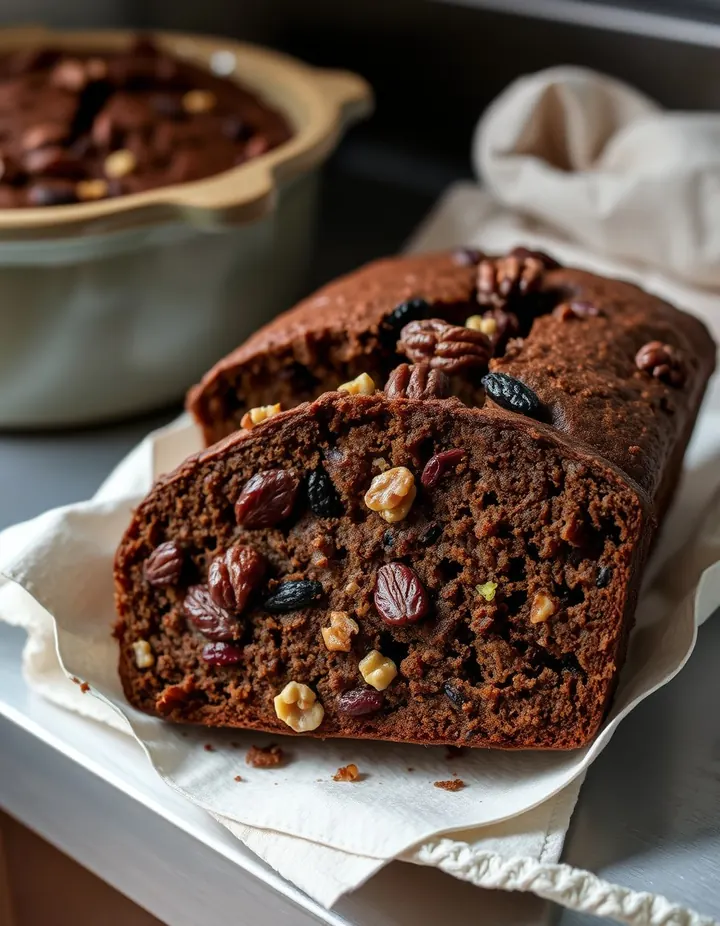 Pork Cake107 recipes
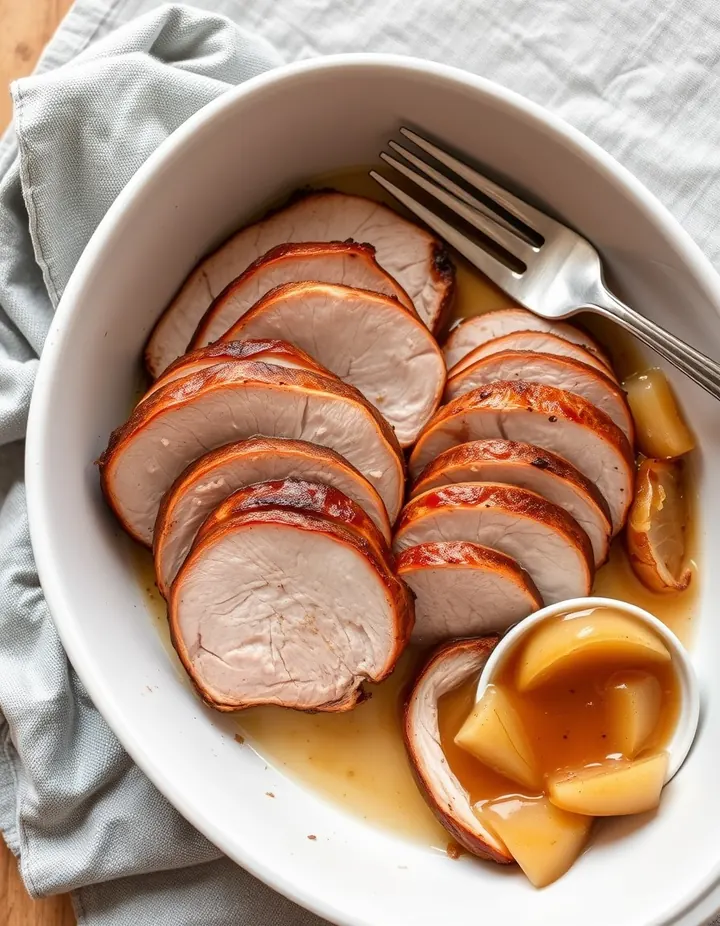 Roast Pork82 recipes
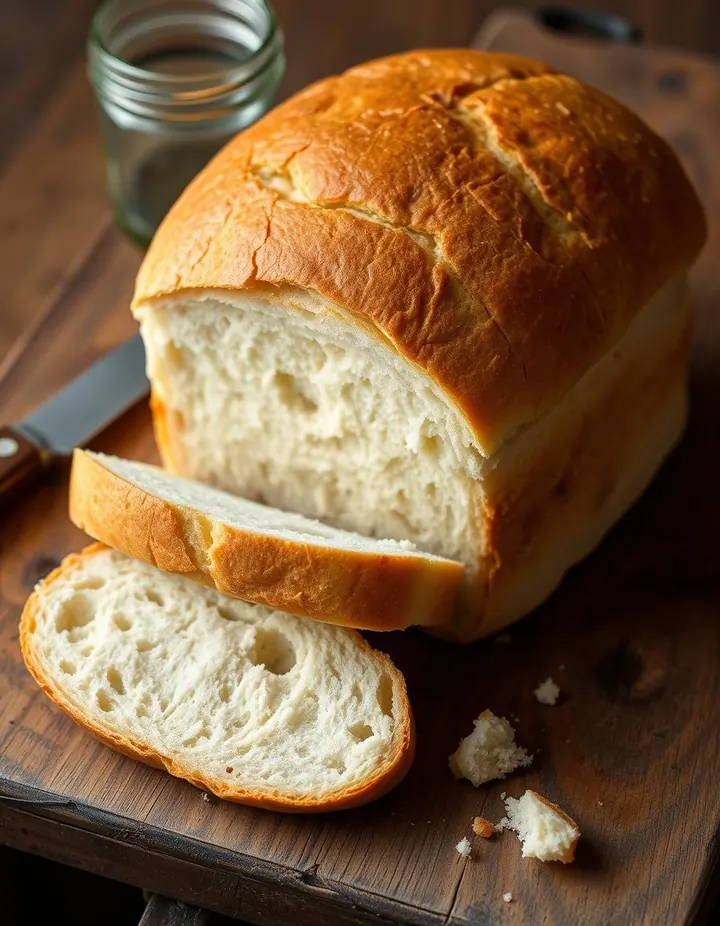 White Bread80 recipes
The free Flavor Lab newsletter: one surprising pairing a week and the molecular reason it works, in 60 seconds. No spam, unsubscribe anytime.
Prefer an account? Create a free account to save pairings and unlock the full chemistry.