Why it works: Cider and vinegar are a kitchen classic. They rank in the top 6% of all ingredient pairs, and cooks put them together in 3,431 recipes. Both carry 4-ethyl-2-methoxyphenol, which smells smoky, clove. The science ↓
Boiled Cabbage
Ingredients
Directions
Prepare the cabbage
Remove the outer leaves from the cabbage and cut it into quarters.
Wash the cabbage thoroughly and soak it in cold water for 30 minutes.
Boil
Boil the cabbage in a kettle of boiling water for 15 minutes, then drain and refill with salted boiling water.
Cook for an additional 30 minutes.
Remove the cabbage from the water, discard the heart and fibrous parts, and press out excess water.
Season and serve
In a saucepan, combine the cabbage with salt, white pepper, sugar, butter, and cider vinegar if using.
Heat the mixture, stirring to distribute the seasoning.
Serve hot, garnished with slices of hard-boiled eggs.
Transcribed from a scanned cookbook and modernised for today's kitchens. Where the book gave no heat or time, or said "a moderate oven", the temperatures and times here may be modern equivalents rather than the book's own figures.
Explore the science
The flavor team
The pairs that carry this dish. Each one is judged two ways: how much their aromas overlap, and how often cooks already put them together.
-
Cider + vinegartop 6% of all pairsSmell alikemoderateCooked together3,431 recipes
Shared aroma: 4-ethyl-2-methoxyphenol (smoky, clove).
-
Cabbage + vinegartop 13% of all pairsSmell alikemoderateCooked together2,924 recipes
Shared aroma: 4'-methylacetophenone (bitter almond).
-
Sugar + vinegartop 15% of all pairsSmell alikemoderateCooked together20,806 recipes
Shared aroma: beta-damascenone (apple, rose).
-
Cabbage + cidertop 16% of all pairsSmell alikelowCooked together306 recipes
Shared aroma: hexan-1-ol (green, grassy).
-
Butter + eggtop 17% of all pairsSmell alikemoderateCooked together118,967 recipes
Shared aroma: decanal (soap, orange peel).
Ranks compare each pair with 20,000 random ingredient pairs on CompKitchen. How we score pairs
What each ingredient does
- Cabbage
- Forms the bulk of the dish and becomes soft and tender after long boiling.
- Butter
- Adds richness and a silky mouthfeel to the cooked cabbage.
- Sugar
- Balances the sharpness of the vinegar and softens the cabbage's bitter edge.
- Cider vinegar
- Adds acidity that brightens the flavour of the cooked cabbage.
The step that matters
Pressing out the excess water. Cabbage holds a lot of water, and leaving it in dilutes the seasoning and makes the dish soggy. Pressing it out lets the butter and seasonings cling to the cabbage.
Swap the white pepper
How well each one fits the dish's main ingredients (cabbage, sugar, butter, cider, vinegar, egg):
- Cinnamonfits better
- Tarragonfits better
- Dillfits better
- White pepperthe original
Fit is the average pairing score against cabbage, sugar, butter, cider, vinegar, egg. Candidates are from the same food group and used in at least 100 recipes.
“What each ingredient does” and “The step that matters” were written by Claude from this recipe’s own method and reviewed in samples by CompKitchen.
More boiled cabbage recipes
You might also like
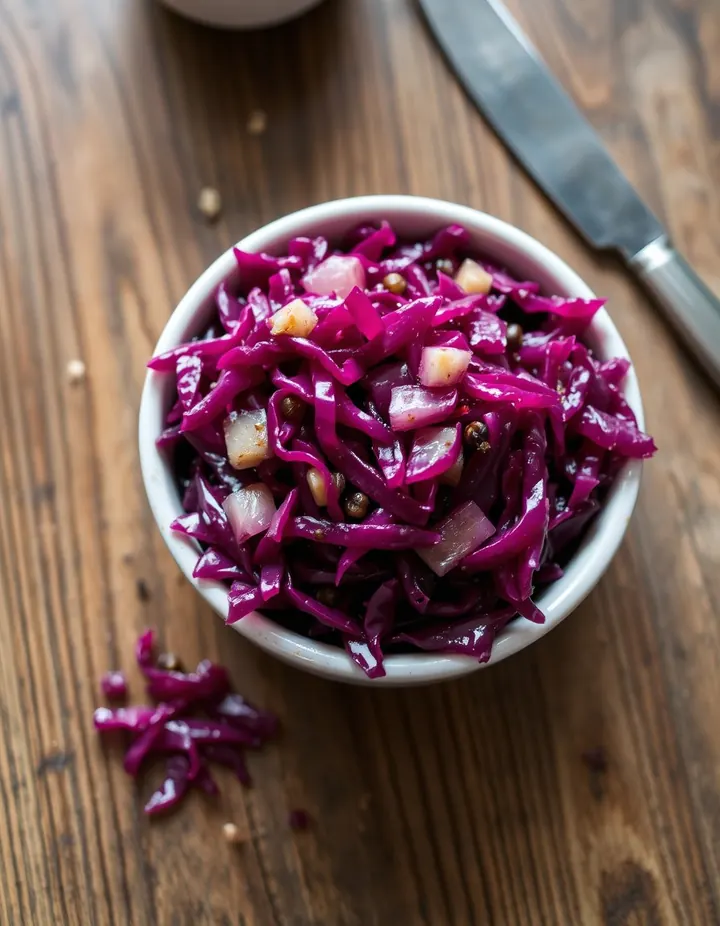 Red Cabbage65 recipes
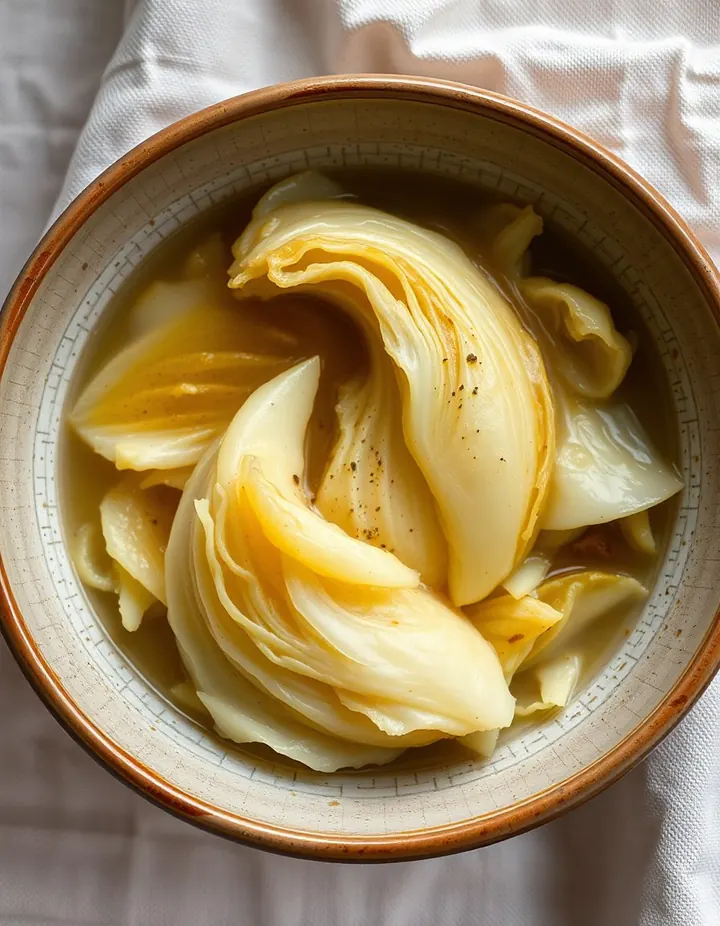 Stewed Cabbage58 recipes
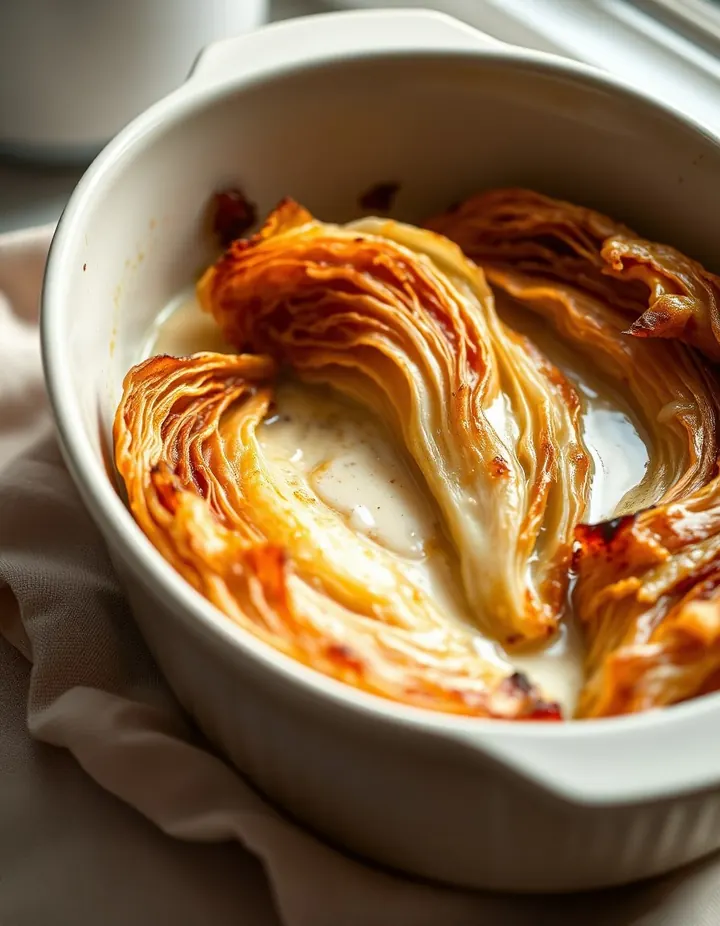 Baked Cabbage51 recipes
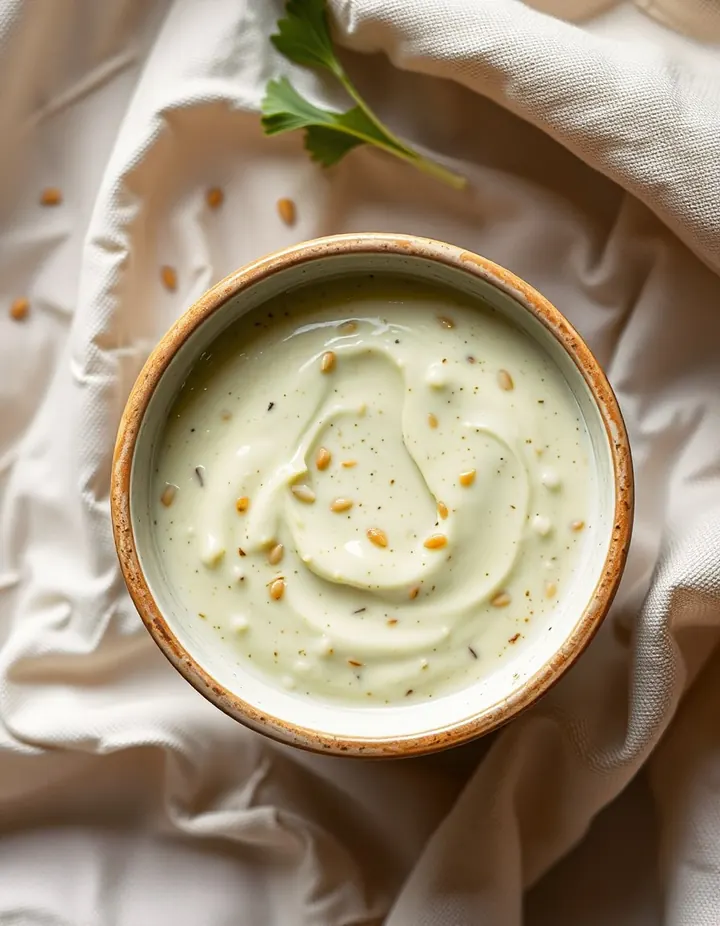 Cabbage Dressing19 recipes
The free Flavor Lab newsletter: one surprising pairing a week and the molecular reason it works, in 60 seconds. No spam, unsubscribe anytime.
Prefer an account? Create a free account to save pairings and unlock the full chemistry.