Why it works: Flour and raisin match in chemistry and in kitchens. They rank in the top 1% of all ingredient pairs, and cooks put them together in 9,075 recipes. Both carry isobutyraldehyde, which smells malty, green. The science ↓
Cider Without Apples
Ingredients
Directions
Make the starter
Combine 1 gallon of cold water, 1 cup of common sugar, 1½ teaspoons of tartaric acid, and 1 tablespoon of yeast in a keg. Shake well.
Let the mixture sit overnight; it will be ready for use the next day.
Make the batch
For larger batches, mix 5 gallons of hot water with 15 cups of brown sugar, 2 cups of tartaric acid, and 25 gallons of cold water in a barrel.
Create a paste with 3 pints of yeast, 2 cups of flour, and 1 pint of water, then add this to the barrel.
Allow the mixture to work for 24 hours, topping off the barrel as needed.
Bottle
Bottle the cider, adding 2 or 3 broken raisins to each bottle.
Transcribed from a scanned cookbook and modernised for today's kitchens. Where the book gave no heat or time, or said "a moderate oven", the temperatures and times here may be modern equivalents rather than the book's own figures.
Explore the science
The flavor team
The pairs that carry this dish. Each one is judged two ways: how much their aromas overlap, and how often cooks already put them together.
-
Flour + raisintop 1% of all pairsSmell alikestrongCooked together9,075 recipes
Shared aroma: isobutyraldehyde (malty, green).
-
Sugar + raisintop 13% of all pairsSmell alikemoderateCooked together12,481 recipes
Shared aroma: beta-damascenone (apple, rose).
-
Sugar + flourtop 15% of all pairsSmell alikemoderateCooked together92,116 recipes
Shared aroma: phenylacetaldehyde (hawthorne, honey).
Ranks compare each pair with 20,000 random ingredient pairs on CompKitchen. How we score pairs
What each ingredient does
- Yeast
- Ferments the sugars into alcohol and carbon dioxide, driving the fermentation.
- Brown sugar
- Provides the fermentable sugar that the yeast converts during fermentation.
- Tartaric acid
- Adds sharp acidity, giving the drink a tart, cider-like bite.
- Flour
- Forms a paste with the yeast to help it disperse and start working.
“What each ingredient does” and “The step that matters” were written by Claude from this recipe’s own method and reviewed in samples by CompKitchen.
You might also like
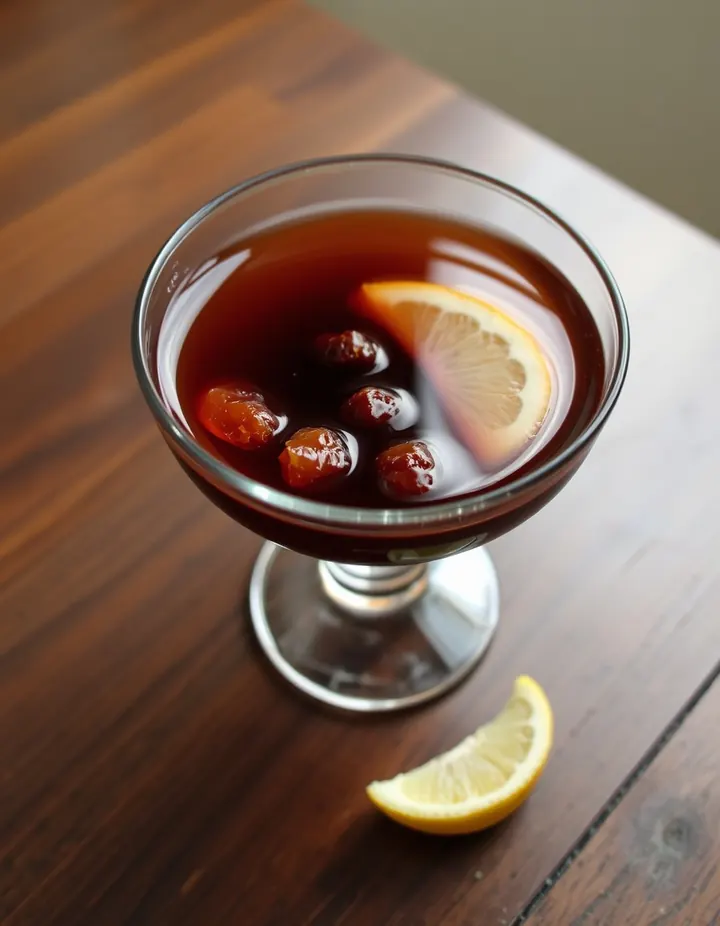 Raisin Wine64 recipes
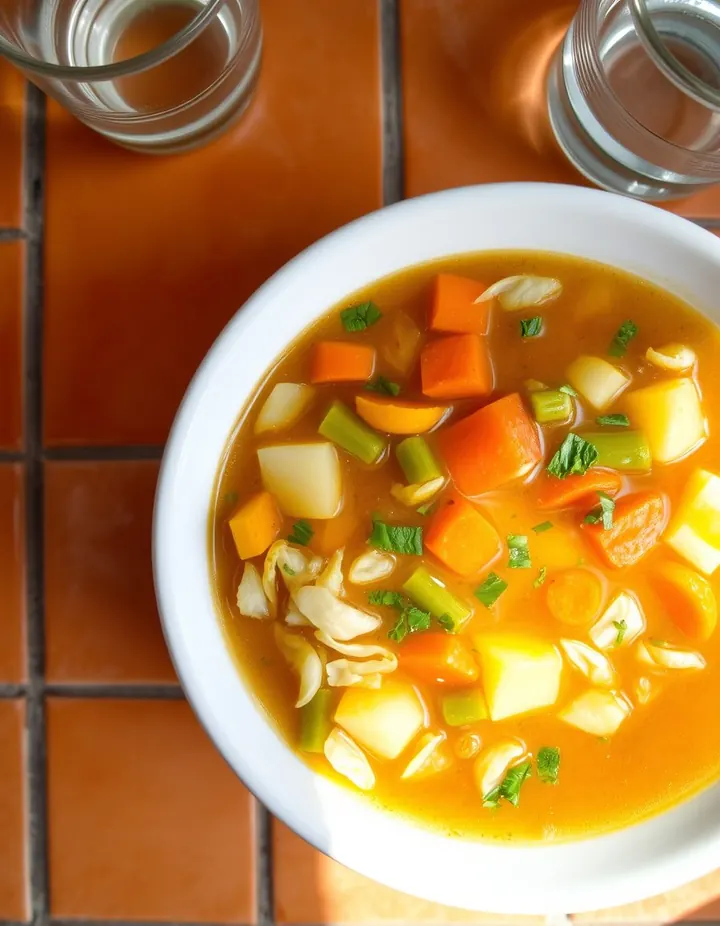 Vegetable Soup350 recipes
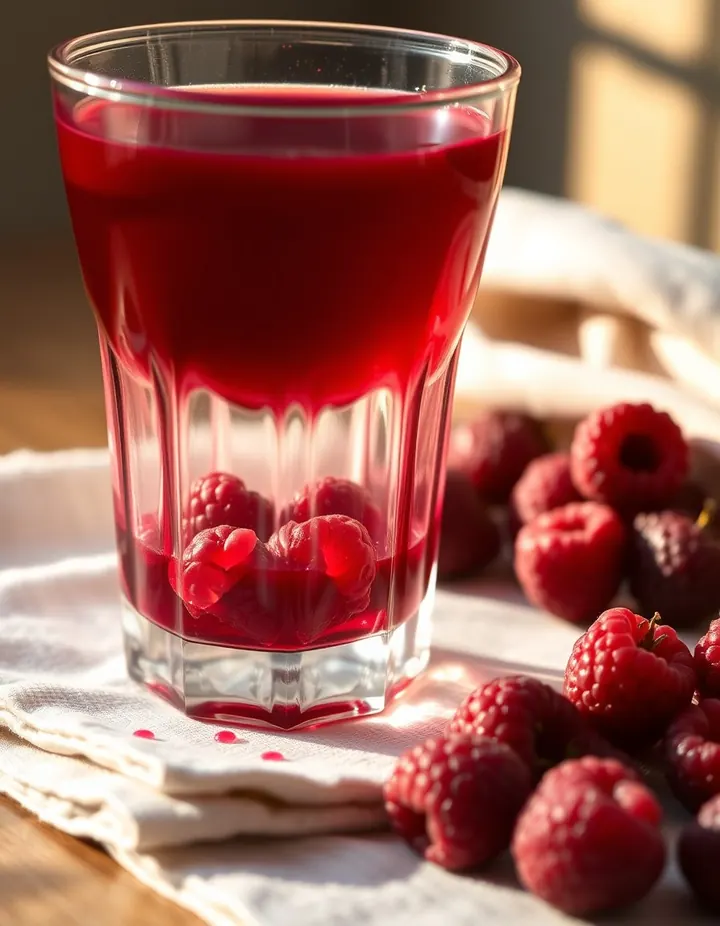 Raspberry Vinegar214 recipes
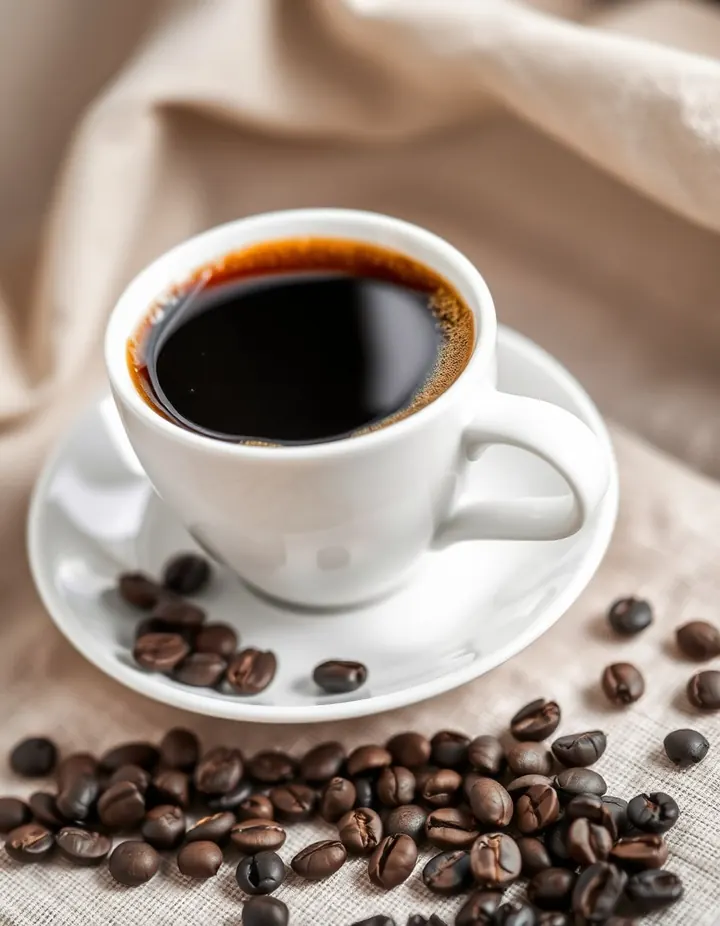 Brown Coffee with Egg175 recipes
The free Flavor Lab newsletter: one surprising pairing a week and the molecular reason it works, in 60 seconds. No spam, unsubscribe anytime.
Prefer an account? Create a free account to save pairings and unlock the full chemistry.