Why it works: Milk and butter are a kitchen classic. They rank in the top 7% of all ingredient pairs, and 81,283 recipes mention both. Both carry (z)-4-heptenal, which smells biscuit, cream. The science ↓
Cream of Tomato Soup for Four
Ingredients
Directions
In a bowl, cream the flour until smooth.
In a saucepan, boil the milk and tomato in separate pans.
Once both are boiling hot, pour the milk into the tomato.
Add butter, salt, and pepper.
Stir in bouillon cubes if using.
Transcribed from a scanned cookbook and modernised for today's kitchens. Where the book gave no heat or time, or said "a moderate oven", the temperatures and times here may be modern equivalents rather than the book's own figures.
Explore the science
The flavor team
The pairs that carry this dish. Each one is judged two ways: how much aroma chemistry they share, and how many recipes mention both.
-
Milk + buttertop 7% of all pairsAroma overlapmoderateMentioned together81,283 recipes
Shared aroma: (z)-4-heptenal (biscuit, cream).
-
Flour + buttertop 12% of all pairsAroma overlaplowMentioned together124,287 recipes
Shared aroma: isobutyraldehyde (malty, green).
-
Milk + flourtop 14% of all pairsAroma overlaplowMentioned together78,219 recipes
Shared aroma: isobutyraldehyde (malty, green).
-
Flour + peppertop 19% of all pairsAroma overlapmoderateMentioned together50,459 recipes
Shared aroma: isobutyraldehyde (malty, green).
-
Pepper + buttertop 21% of all pairsAroma overlapmoderateMentioned together85,593 recipes
Shared aroma: trans-2-nonenal (cardboard, fatty).
Flour and butter share little aroma chemistry, yet 124,287 recipes mention both: they likely work on texture and structure more than aroma.
Ranks compare each pair with 20,000 random ingredient pairs on CompKitchen. How we score pairs
You might also like
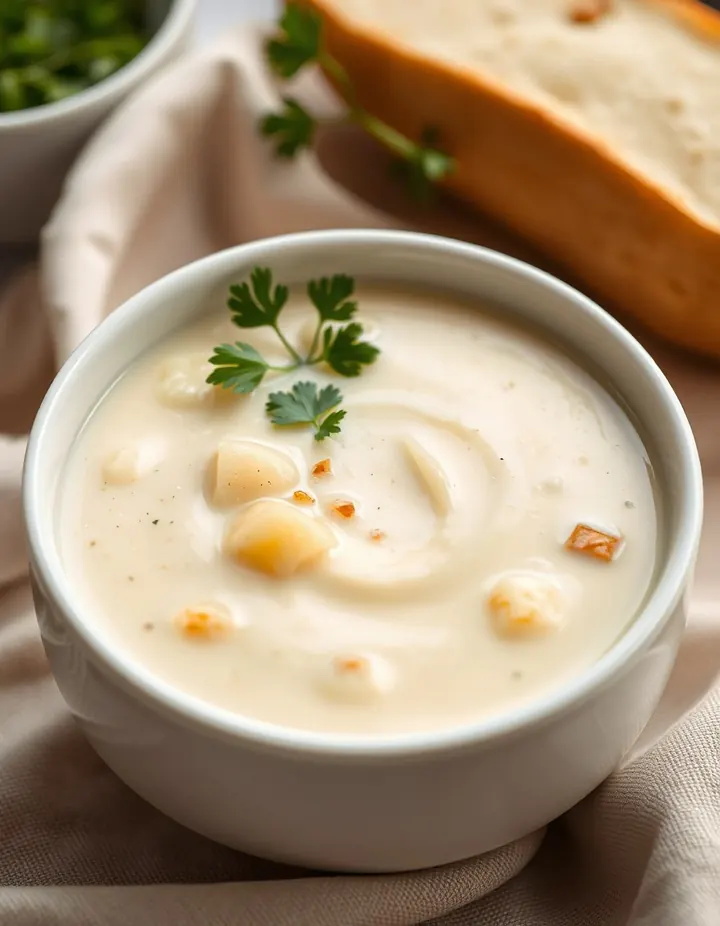 Indian Spiced Potato Soup with Tofu and Spinach448 recipes
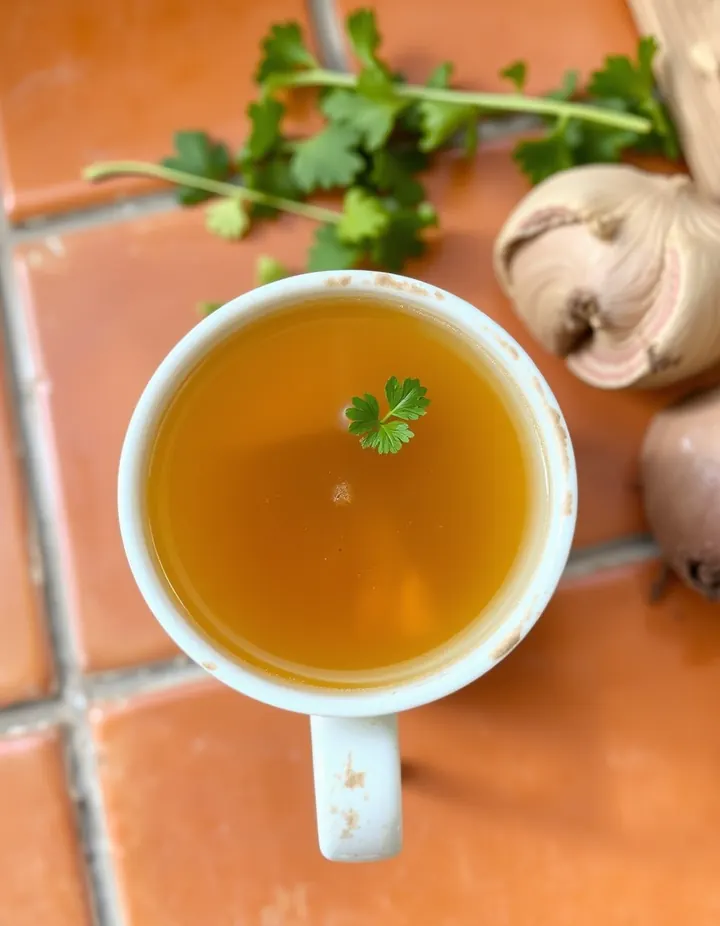 Clear Carrot and Bottle Gourd Soup65 recipes
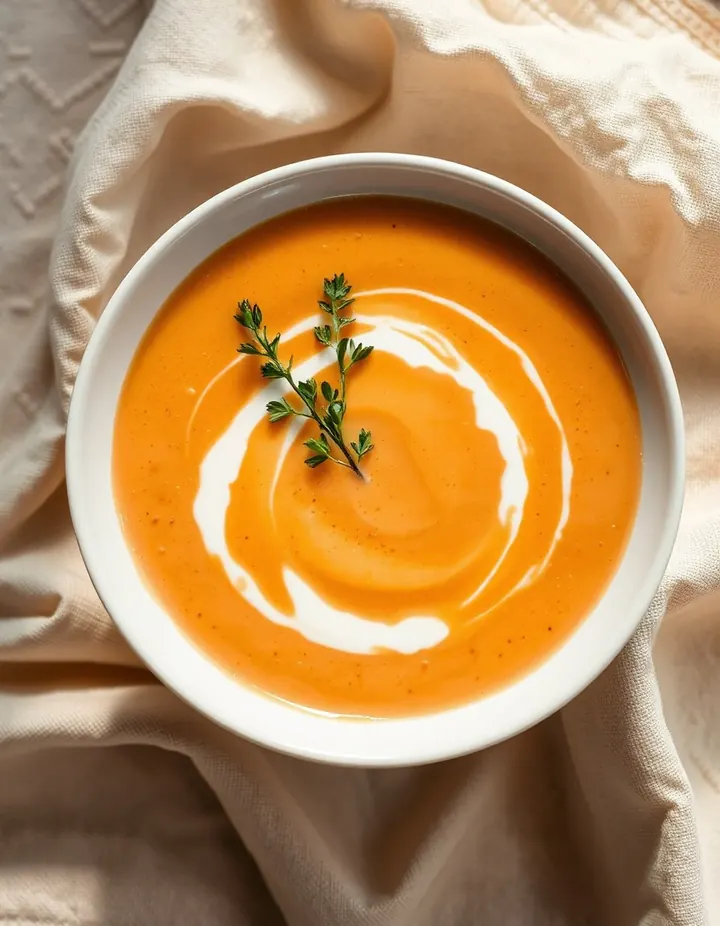 Mock Bisque Soup51 recipes
 Cream of Asparagus Soup42 recipes
The Sunday pairing: one pairing, the chemistry behind it, and how to cook it. No spam, unsubscribe anytime.
Prefer an account? Create a free account for sign-in; Pro adds the full results and chemistry.