Why it works: Milk and wheat are a kitchen classic. They rank in the top 6% of all ingredient pairs, and cooks put them together in 2,418 recipes. Both carry (e,z)-2,6-nonadienal, which smells cucumber, melon. The science ↓
Veal Pot Pie
Ingredients
Directions
The book gives no oven temperature. The 350°F in the steps was added when the recipe was transcribed, as a starting point.
Cook the veal
Combine veal, salt pork (or salt), and enough water to cover the meat in a pot.
Boil gently, skimming off any scum, until the meat is tender.
Remove the pot from heat and let the meat cool.
Strain the cooking liquid and set aside.
Make the dough
In a bowl, mix flour, cream of tartar, salt, baking soda, and butter.
Gradually add milk to form a dough.
Roll out the dough and line the inside of a pot, reserving some for the top crust and small squares for inside.
Assemble and bake
Add the strained cooking liquid to the pot, ensuring it nearly reaches the top of the crust.
If needed, add more water.
Drop in the reserved dough squares, sprinkle with wheat flour, and add butter pieces and black pepper.
Place skewers across the pot.
Cover with the top crust.
Make a slit in the center for steam.
Cover the pot and bake over moderate heat (350°F/175°C) for 45 minutes, ensuring it doesn't burn.
If desired, add peeled potatoes to the pie with the meat before baking.
Serve
Serve by lifting the top crust, then transferring the meat and gravy to a dish, followed by the crust from the sides.
Transcribed from a scanned cookbook and modernised for today's kitchens. Where the book gave no heat or time, or said "a moderate oven", the temperatures and times here may be modern equivalents rather than the book's own figures.
Explore the science
The flavor team
The pairs that carry this dish. Each one is judged two ways: how much their aromas overlap, and how often cooks already put them together.
-
Milk + wheattop 6% of all pairsSmell alikemoderateCooked together2,418 recipes
Shared aroma: (e,z)-2,6-nonadienal (cucumber, melon).
-
Butter + milktop 7% of all pairsSmell alikemoderateCooked together81,283 recipes
Shared aroma: (z)-4-heptenal (biscuit, cream).
-
Cream + buttertop 8% of all pairsSmell alikemoderateCooked together41,516 recipes
Shared aroma: delta-dodecalactone (sweet, creamy).
-
Veal + porktop 11% of all pairsSmell alikemoderateCooked together4,930 recipes
Shared aroma: 4-heptenal (creamy, biscuit).
-
Pork + meattop 11% of all pairsSmell alikemoderateCooked together3,208 recipes
Shared aroma: 1-octen-3-one (mushroom, metallic).
Ranks compare each pair with 20,000 random ingredient pairs on CompKitchen. How we score pairs
What each ingredient does
- Veal
- Provides the main meat, which becomes tender and flavourful during gentle simmering.
- All-purpose flour
- Forms the dough that lines the pot and makes the crust structure.
- Cream of tartar
- Acidic ingredient that reacts with baking soda to help the dough rise and tenderize.
- Baking soda
- Reacts with the acid in cream of tartar to release gas, lightening the dough.
- Butter
- Adds fat that makes the dough tender and rich in flavour.
- Wheat flour
- Sprinkled over the filling to thicken the cooking liquid into gravy.
The step that matters
Bake covered over moderate heat without burning. Covered baking traps steam so the crust cooks through while the filling stays moist. Heat that is too high can scorch the base before the dough sets, so the pot needs watching.
“What each ingredient does” and “The step that matters” were written by Claude from this recipe’s own method and reviewed in samples by CompKitchen.
You might also like
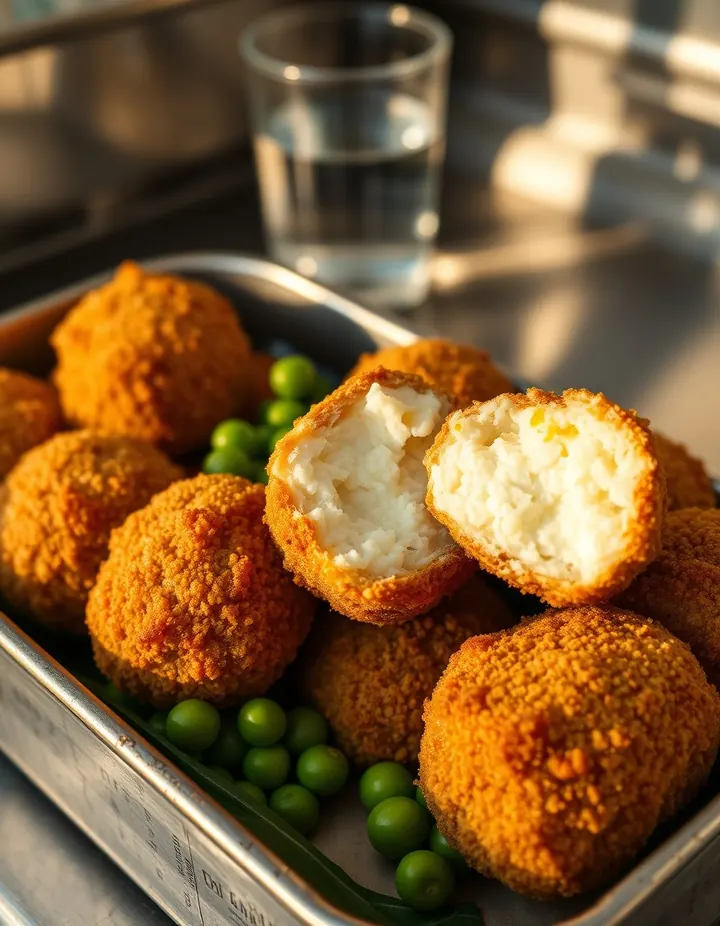 Potato Croquettes255 recipes
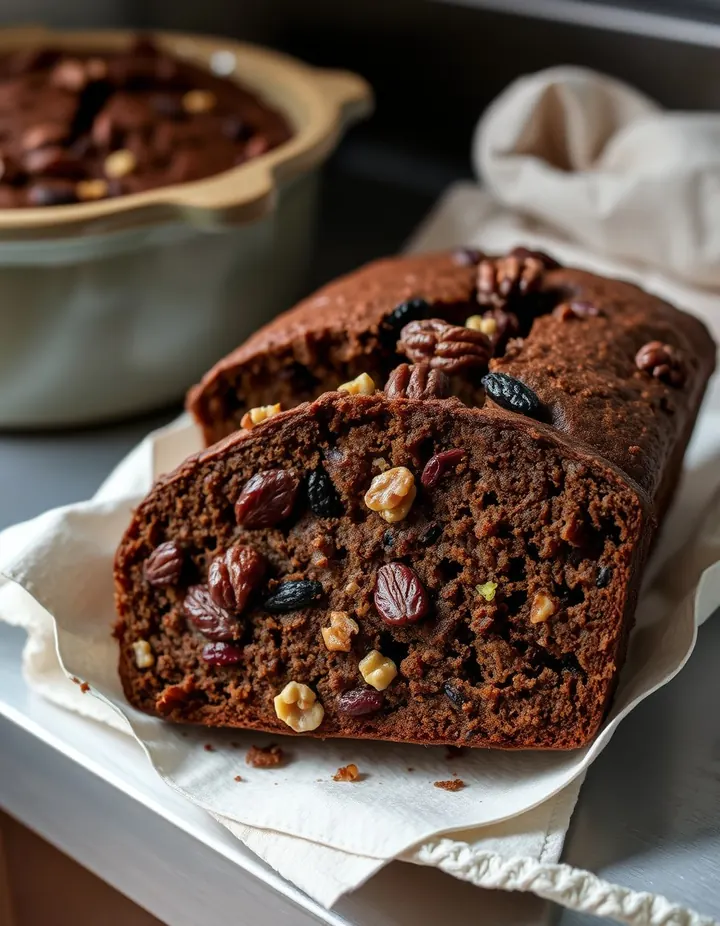 Pork Cake107 recipes
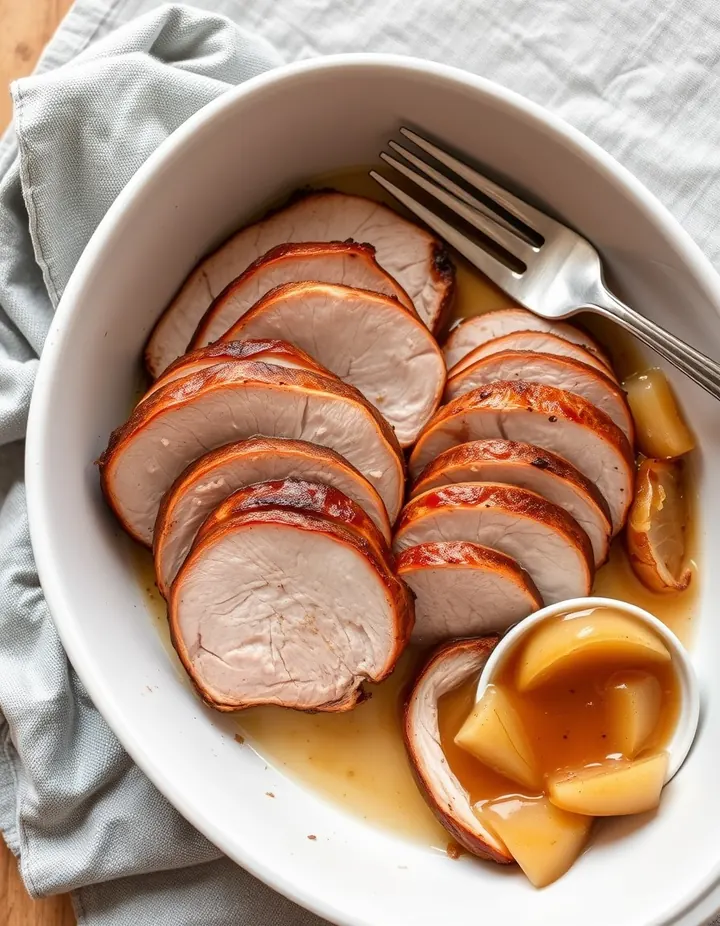 Roast Pork82 recipes
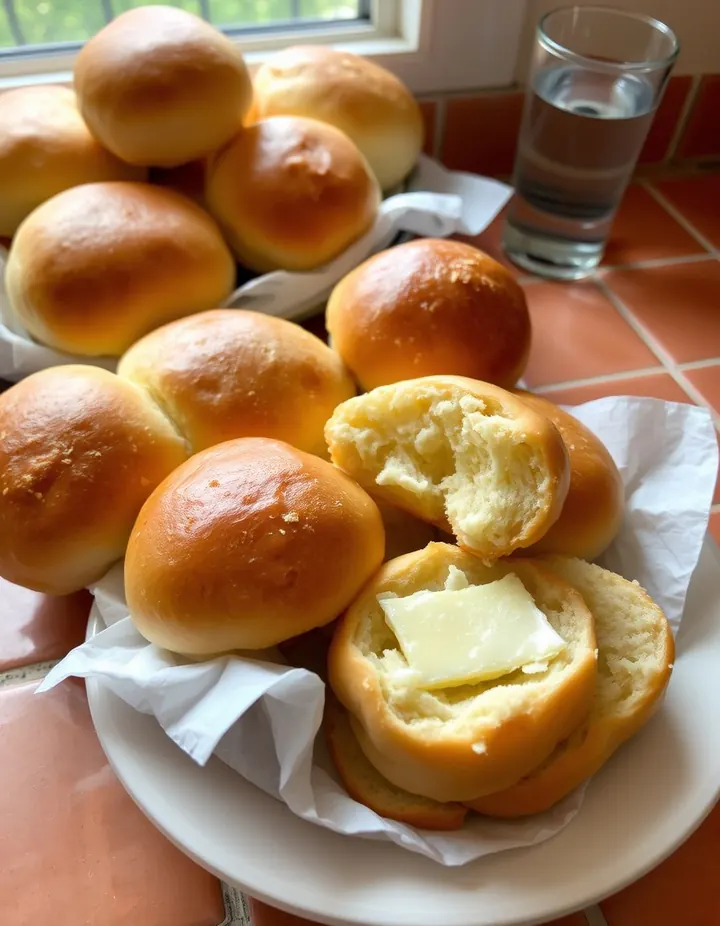 Potato Rolls78 recipes
The free Flavor Lab newsletter: one surprising pairing a week and the molecular reason it works, in 60 seconds. No spam, unsubscribe anytime.
Prefer an account? Create a free account to save pairings and unlock the full chemistry.