Why it works: Turkey and pork work together. They rank in the top 7% of all ingredient pairs, and cooks put them together in 830 recipes. Both carry trans-2-decenal, which smells waxy, orange. The science ↓
Roast Turkey
Ingredients
Directions
The book says “a hot oven”. The 400°F (200°C) in the steps is the modern equivalent, not the book's own figure.
Prepare the turkey
Dress, clean, stuff, and truss the turkey.
Place it on thin slices of fat pork in a dripping pan.
Rub the turkey with coarse sea salt and sprinkle with pepper.
Cream ⅓ cup butter and slowly add ¼ cup flour while stirring constantly.
Spread this mixture over the wings, breast, and legs of the turkey.
Roast and baste
Place the turkey in a 400°F (200°C) oven and brown delicately.
Turn the turkey to brown the back, then turn it breast‑side up.
Continue browning and basting every 10 minutes until evenly browned.
Add 2 cups of water to the fat in the pan and continue basting every 15 minutes.
For the first basting, use ½ cup melted butter in 1 cup boiling water or the same quantity of turkey fat.
If browning too quickly, cover with a piece of heavy buttered paper, buttered side down.
Test and serve
Check for tenderness by piercing the leg with a small wooden skewer; it will take 3 to 3.5 hours.
Remove the skewer and strings before serving.
Transcribed from a scanned cookbook and modernised for today's kitchens. Where the book gave no heat or time, or said "a moderate oven", the temperatures and times here may be modern equivalents rather than the book's own figures.
Explore the science
The flavor team
The pairs that carry this dish. Each one is judged two ways: how much their aromas overlap, and how often cooks already put them together.
-
Turkey + porktop 7% of all pairsSmell alikemoderateCooked together830 recipes
Shared aroma: trans-2-decenal (waxy, orange).
-
Butter + flourtop 12% of all pairsSmell alikelowCooked together124,287 recipes
Shared aroma: isobutyraldehyde (malty, green).
-
Pork + buttertop 13% of all pairsSmell alikemoderateCooked together13,933 recipes
Shared aroma: 2-furfurylthiol (coffee, roasted).
-
Turkey + buttertop 13% of all pairsSmell alikemoderateCooked together1,592 recipes
Shared aroma: trans-2-decenal (waxy, orange).
-
Turkey + peppertop 15% of all pairsSmell alikemoderateCooked together1,636 recipes
Shared aroma: myristicin (spice, warm).
Butter and flour barely smell alike, yet cooks put them together in 124,287 recipes: they work on texture and structure more than aroma.
Ranks compare each pair with 20,000 random ingredient pairs on CompKitchen. How we score pairs
What each ingredient does
- Turkey
- Forms the main body of the dish, and its meat cooks through to become tender during roasting.
- Butter
- Adds fat that promotes browning and moisture, and carries flavour over the skin when basted.
- Flour
- Mixed with butter to form a paste that helps the coating brown evenly on the skin.
- Fat pork
- Lies under the bird, releasing fat into the pan that keeps the turkey moist and adds flavour.
The step that matters
Basting and browning control. Basting every 10 to 15 minutes keeps the skin moist and helps it brown evenly. Covering with buttered paper slows browning so the skin does not scorch before the thick meat cooks through.
“What each ingredient does” and “The step that matters” were written by Claude from this recipe’s own method and reviewed in samples by CompKitchen.
More roast turkey recipes
You might also like
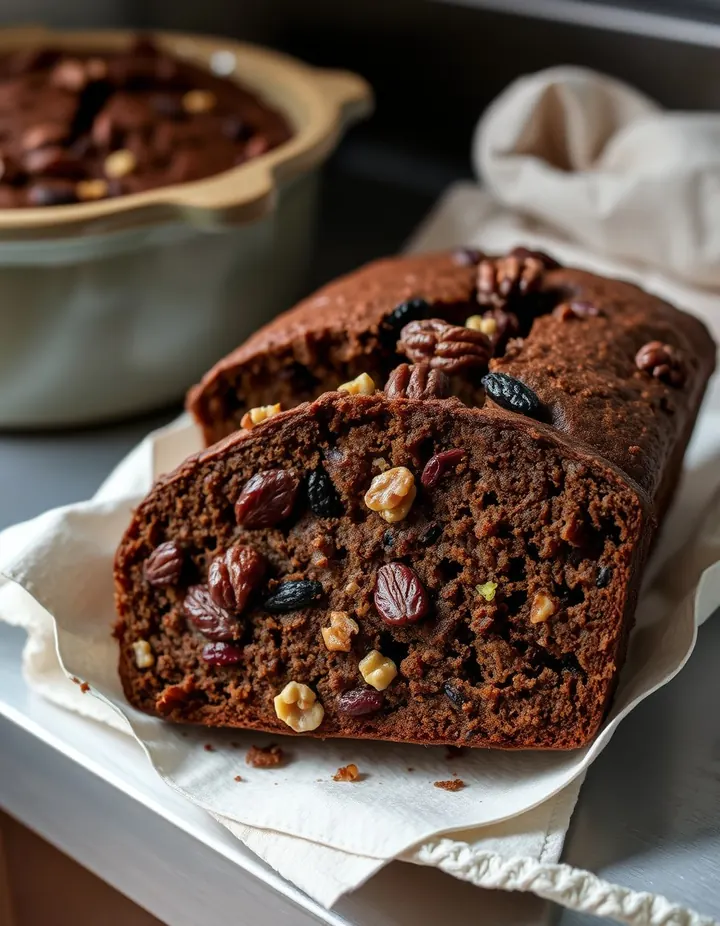 Pork Cake107 recipes
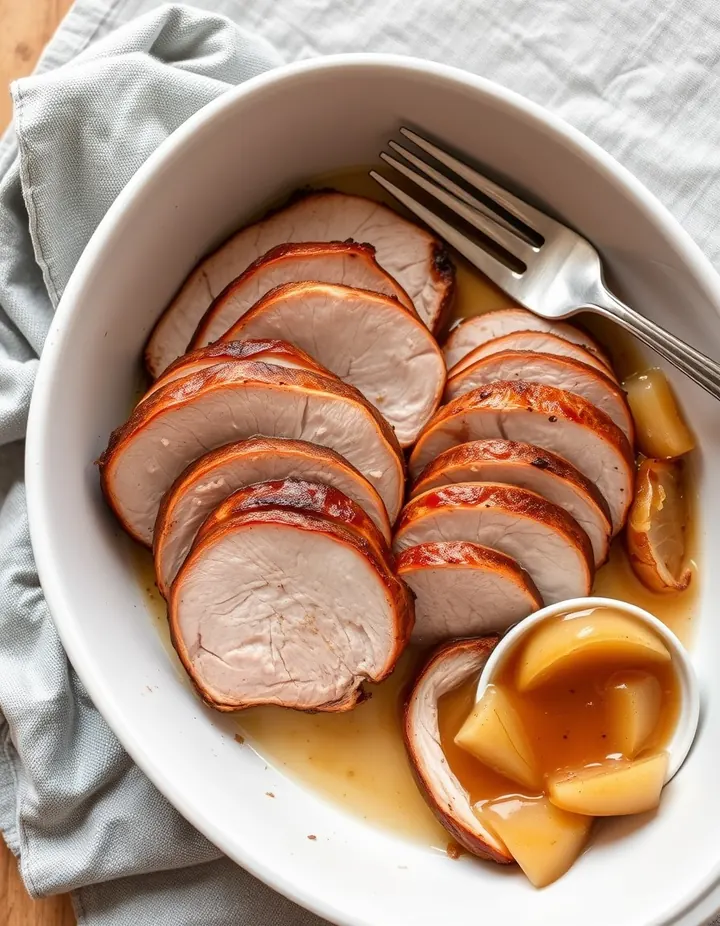 Roast Pork82 recipes
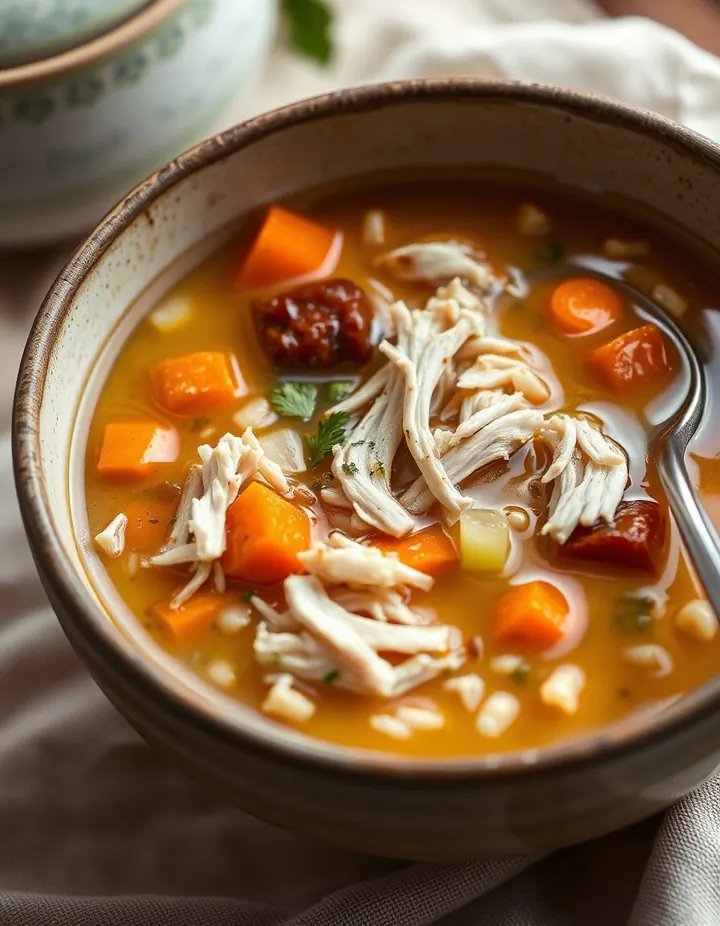 Turkey Soup71 recipes
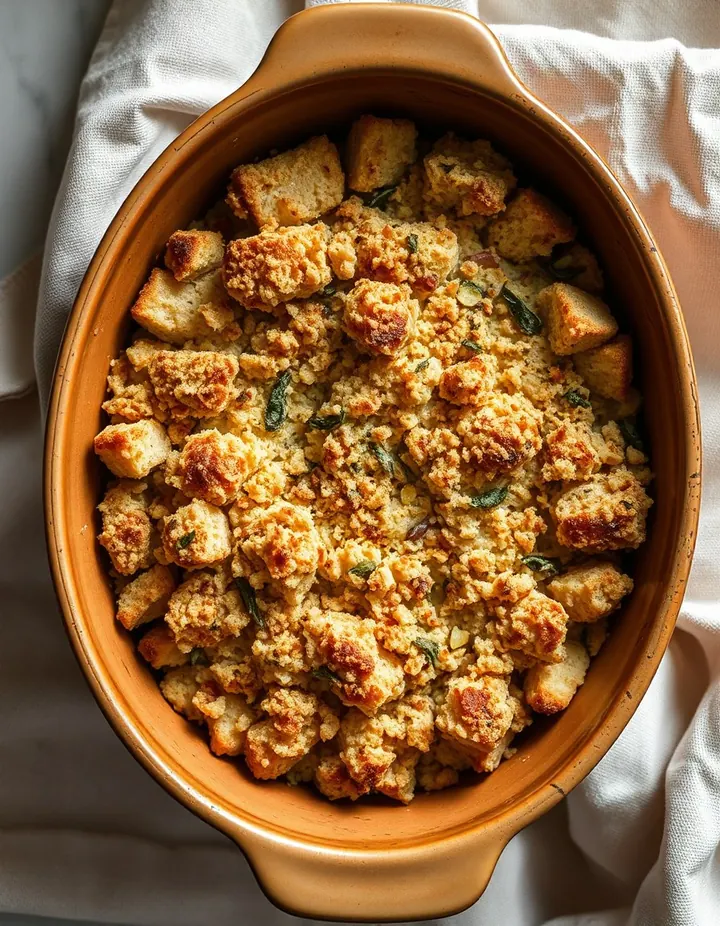 Turkey Stuffing26 recipes
The free Flavor Lab newsletter: one surprising pairing a week and the molecular reason it works, in 60 seconds. No spam, unsubscribe anytime.
Prefer an account? Create a free account to save pairings and unlock the full chemistry.