Why it works: Nutmeg and clove match in chemistry and in kitchens. They rank in the top 1% of all ingredient pairs, and cooks put them together in 8,686 recipes. Both carry estragole, which smells anise, licorice. The science ↓
Turkey Galantine, or Boned Turkey
Ingredients
Directions
Prepare the turkey
Choose a fat hen turkey and leave the crop skin whole while dressing it. Cut off the legs, wings, and neck.
Slit the skin at the back and carefully remove it. Cut the breasts into elongated pieces, about 1/4 inch square and 1 inch long.
Season the turkey breast pieces with pepper, salt, nutmeg, mace, ground cloves, sweet basil, and chopped parsley.
Make the force-meat
Make a force-meat by mixing 1 pound and 1/4 pound of lean veal or fresh pork with the remaining turkey meat, chopped well.
Chop an equal volume of fresh bacon and mix it with the other chopped meat. Season with the same condiments.
Pound the mixture in a mortar to a paste. Dice the truffles, pickled tongue, and cooked bacon into 3/4 inch pieces and season.
Assemble and cook
Spread the turkey skin on a board and layer half of the force-meat, half of the turkey breasts, and half of the diced tongue, truffles, and bacon.
Add turkey fillets and remaining diced ingredients, saving some force-meat for the last layer.
Roll the turkey skin over the filling to form a round, long shape. Sew up the skin and wrap it tightly in a napkin.
Tie the ends and across in two places to maintain an oval shape. Boil gently for 4 hours in boiling water or stock with turkey bones.
Transcribed from a scanned cookbook and modernised for today's kitchens. Where the book gave no heat or time, or said "a moderate oven", the temperatures and times here may be modern equivalents rather than the book's own figures.
Explore the science
The flavor team
The pairs that carry this dish. Each one is judged two ways: how much their aromas overlap, and how often cooks already put them together.
-
Nutmeg + clovetop 1% of all pairsSmell alikestrongCooked together8,686 recipes
Shared aroma: estragole (anise, licorice).
-
Basil + parsleytop 1% of all pairsSmell alikestrongCooked together2,351 recipes
Shared aroma: myristicin (spice, warm).
-
Pepper + parsleytop 2% of all pairsSmell alikestrongCooked together34,122 recipes
Shared aroma: 4'-methylacetophenone (bitter almond).
-
Nutmeg + parsleytop 3% of all pairsSmell alikestrongCooked together5,062 recipes
Shared aroma: 4'-methylacetophenone (bitter almond).
-
Nutmeg + macetop 4% of all pairsSmell alikemoderateCooked together6,557 recipes
Shared aroma: myristicin (spice, warm).
Ranks compare each pair with 20,000 random ingredient pairs on CompKitchen. How we score pairs
What each ingredient does
- Fresh bacon
- Adds fat and moisture so the force-meat stays juicy and tender during long cooking.
- Veal or fresh pork
- Lean meat that binds with the turkey and gives the force-meat a smooth, cohesive texture.
- Truffles
- Contributes a distinctive earthy aroma to the filling.
- Pickled tongue
- Adds savoury flavour and a firm, sliceable texture to the filling.
The step that matters
Boil gently for 4 hours. Keeping the liquid at a gentle simmer rather than a hard boil cooks the meat evenly and keeps the galantine tender and intact, instead of toughening the proteins and breaking the roll apart.
Swap the mace
How well each one fits the dish's main ingredients (turkey, pepper, nutmeg, clove, basil, parsley, veal):
- Marjoramfits better
- Thymefits better
- Sagefits better
- Macethe original
Fit is the average pairing score against turkey, pepper, nutmeg, clove, basil, parsley, veal. Candidates are from the same food group and used in at least 100 recipes.
“What each ingredient does” and “The step that matters” were written by Claude from this recipe’s own method and reviewed in samples by CompKitchen.
You might also like
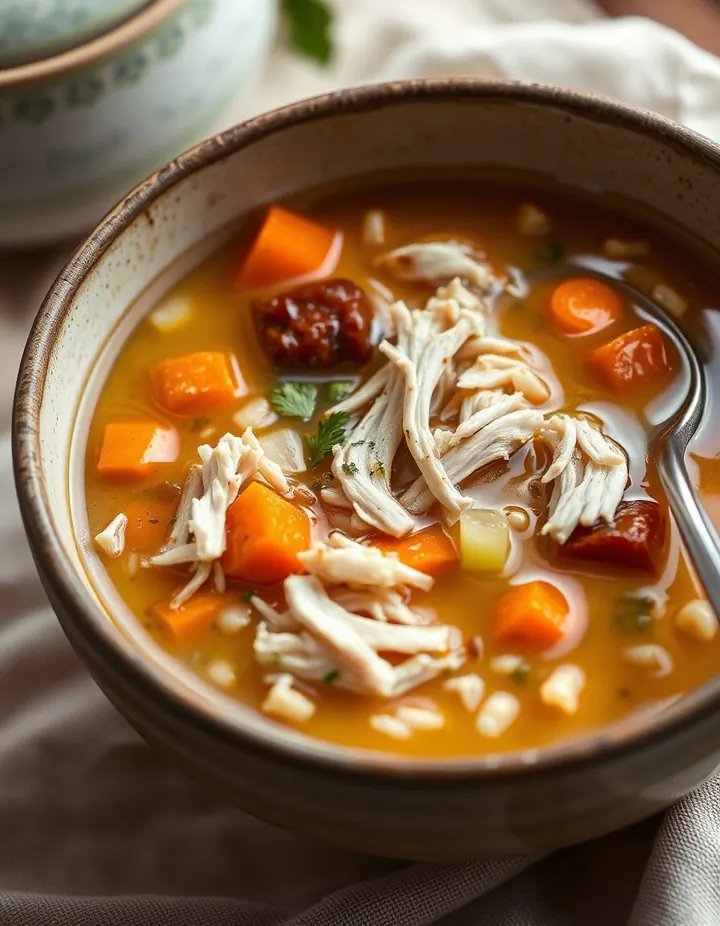 Turkey Soup71 recipes
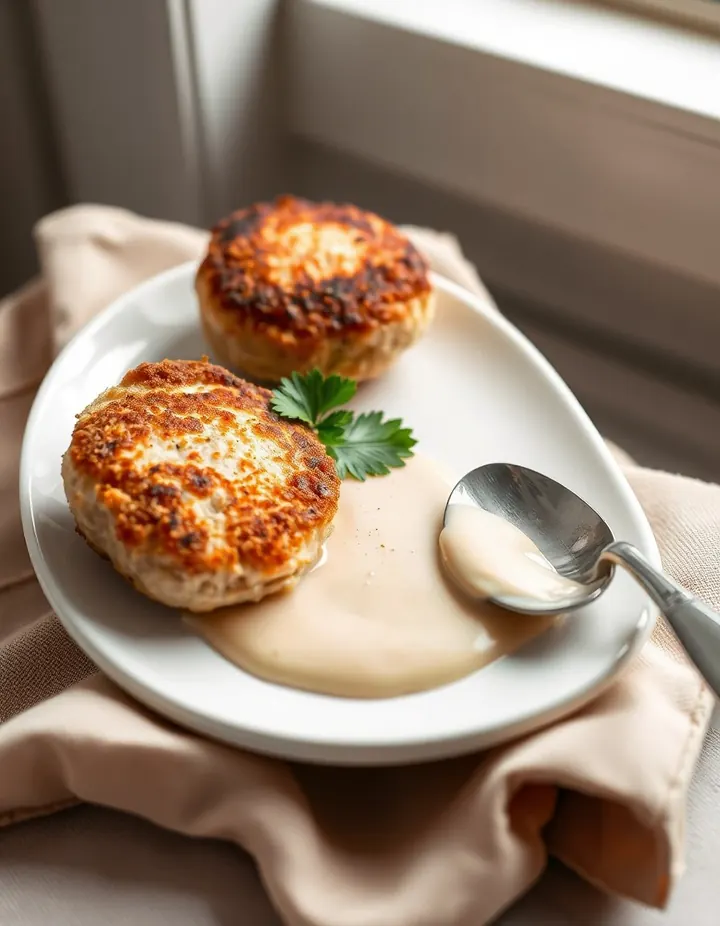 Veal Patties50 recipes
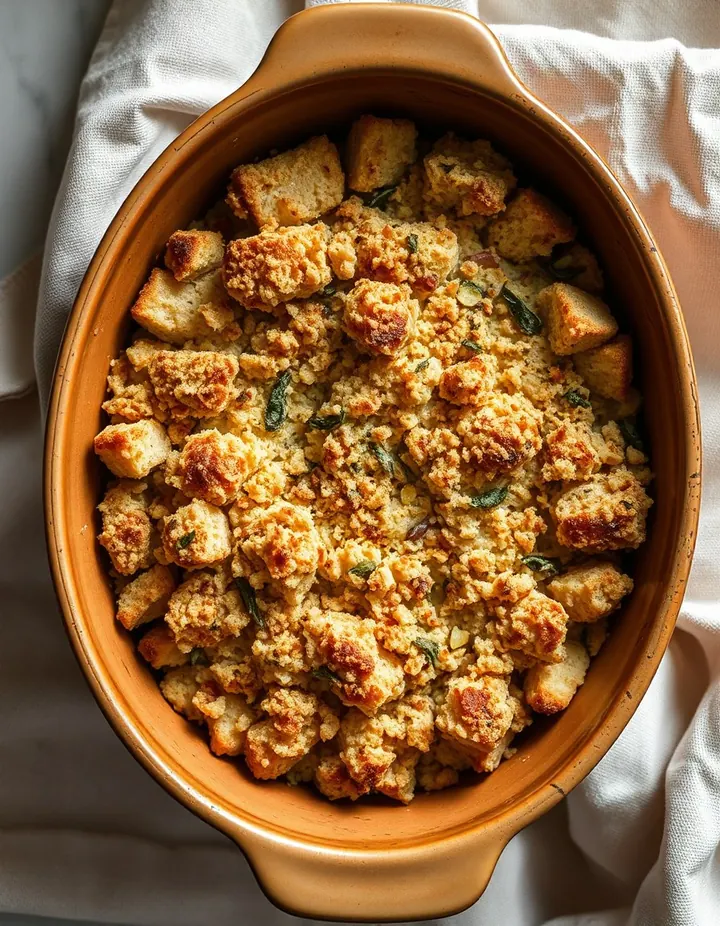 Turkey Stuffing26 recipes
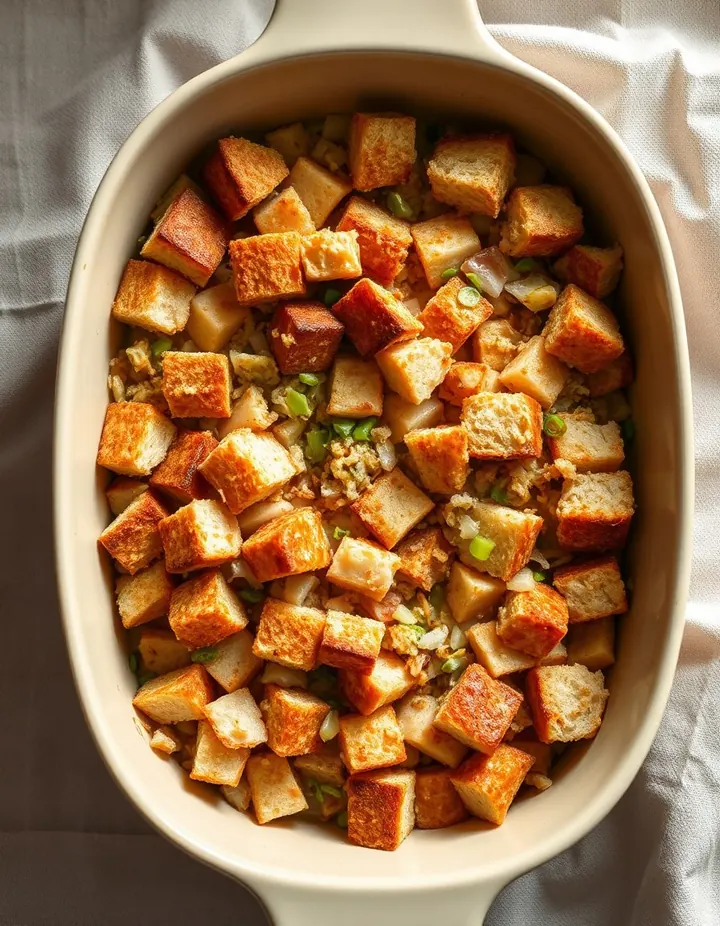 Turkey Dressing24 recipes
The free Flavor Lab newsletter: one surprising pairing a week and the molecular reason it works, in 60 seconds. No spam, unsubscribe anytime.
Prefer an account? Create a free account to save pairings and unlock the full chemistry.