Why it works: Milk and vanilla are a kitchen classic. They rank in the top 5% of all ingredient pairs, and cooks put them together in 19,187 recipes. Both carry ethyl caproate, which smells fruity, apple peel. The science ↓
Chocolate Cream Renversee
Ingredients
Directions
The book says “a moderate oven”. The 350°F (175°C) in the steps is the modern equivalent, not the book's own figure.
Prepare the custard base
Heat the milk in a double boiler.
Shave the chocolate and combine it with 3 tablespoons of sugar and 1 tablespoon of boiling water in a small pan. Stir over medium heat until smooth and glossy, then mix into the hot milk and remove from heat to cool.
Make the caramel
In a Charlotte mold, add 3 tablespoons of sugar and place it on the stove. When the sugar melts and begins to smoke, swirl the mold to coat it with caramel, then set aside.
Bake and serve
Beat together the remaining sugar, eggs, and salt.
Add the cooled milk and chocolate mixture to the egg mixture and strain into the Charlotte mold.
Place the mold in a deep pan with enough tepid water to reach nearly the top of the mold.
Bake at 350°F (175°C) until firm in the center, about 40 to 45 minutes.
Test for doneness by running a knife through the center; it should be firm and smooth.
Once icy-cold, invert onto a flat dish and serve with whipped cream flavored with sugar and vanilla.
Transcribed from a scanned cookbook and modernised for today's kitchens. Where the book gave no heat or time, or said "a moderate oven", the temperatures and times here may be modern equivalents rather than the book's own figures.
Explore the science
The flavor team
The pairs that carry this dish. Each one is judged two ways: how much their aromas overlap, and how often cooks already put them together.
-
Milk + vanillatop 5% of all pairsSmell alikemoderateCooked together19,187 recipes
Shared aroma: ethyl caproate (fruity, apple peel).
-
Chocolate + vanillatop 5% of all pairsSmell alikemoderateCooked together10,020 recipes
Shared aroma: sotolon (curry, maple).
-
Sugar + vanillatop 8% of all pairsSmell alikelowCooked together35,032 recipes
Shared aroma: beta-damascenone (apple, rose).
-
Sugar + creamtop 9% of all pairsSmell alikemoderateCooked together43,450 recipes
Shared aroma: 2,3-butanedione (butter, sweet).
-
Chocolate + creamtop 11% of all pairsSmell alikemoderateCooked together5,466 recipes
Shared aroma: delta-decalactone (sweet, creamy).
Sugar and vanilla barely smell alike, yet cooks put them together in 35,032 recipes: they work on texture and structure more than aroma.
Ranks compare each pair with 20,000 random ingredient pairs on CompKitchen. How we score pairs
What each ingredient does
- Eggs
- Coagulate on baking to set the custard into a firm, sliceable body.
- Milk
- Provides the liquid base and creamy texture of the custard.
- Chocolate
- Gives the custard its flavor and color.
- Sugar
- Sweetens the custard and melts to form the caramel coating the mold.
The step that matters
Baking in a water bath. Egg custard turns grainy or curdles if heated too fast or too hot. Surrounding the mold with tepid water moderates the heat so the custard sets gently and smoothly.
“What each ingredient does” and “The step that matters” were written by Claude from this recipe’s own method and reviewed in samples by CompKitchen.
You might also like
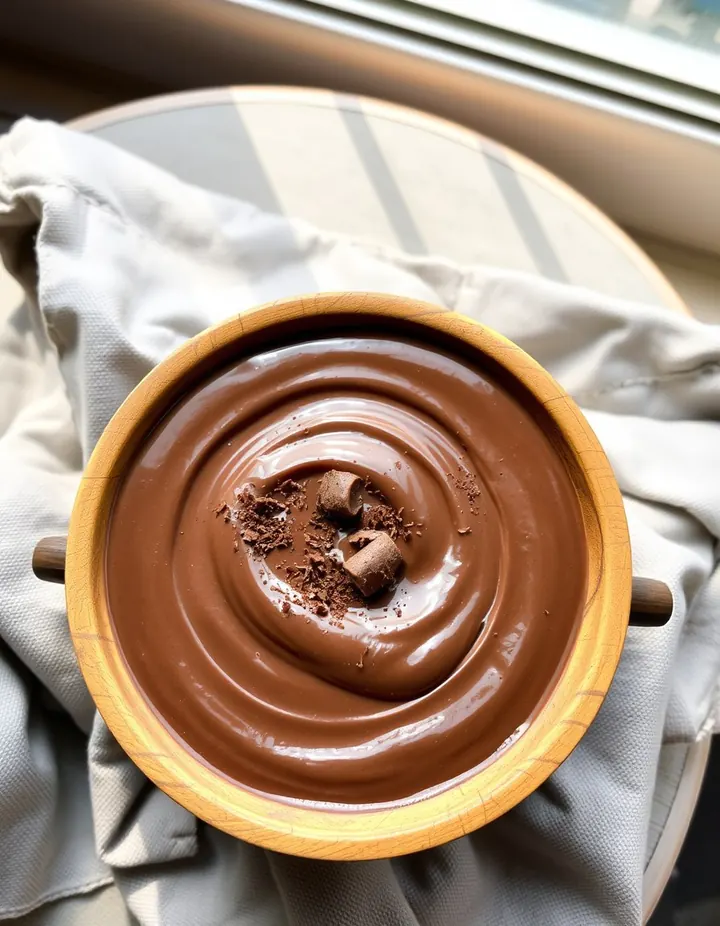 Chocolate Cream171 recipes
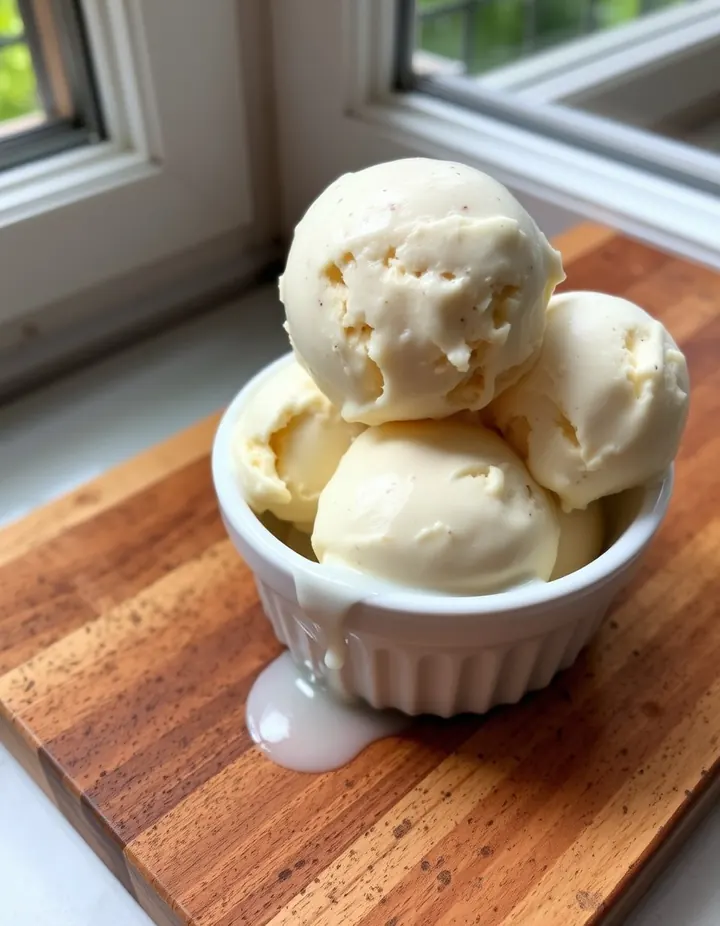 Vanilla Ice Cream108 recipes
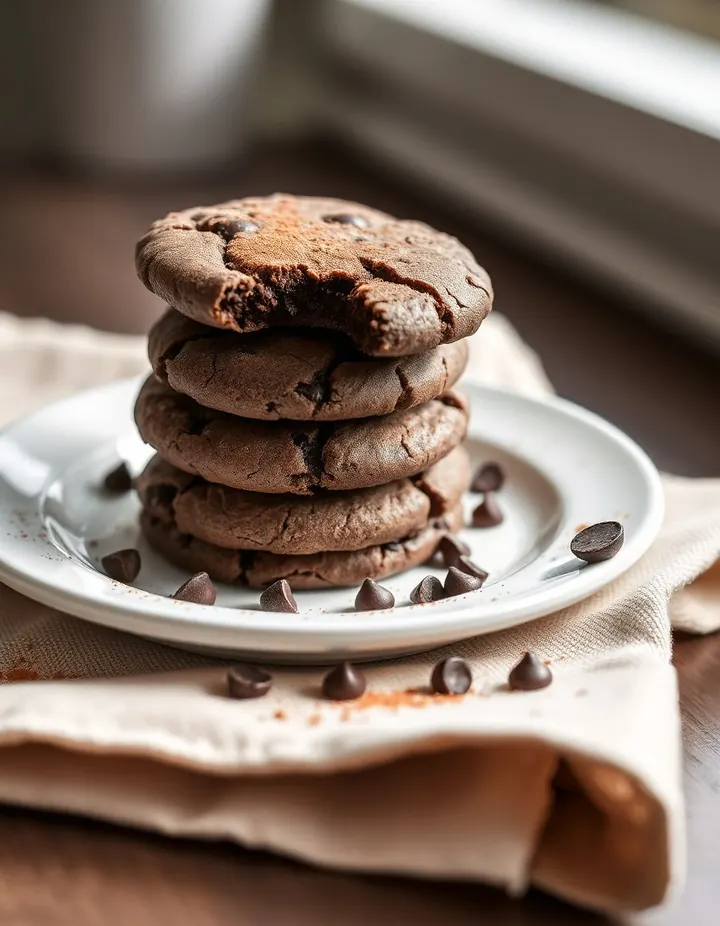 Chocolate Cookies76 recipes
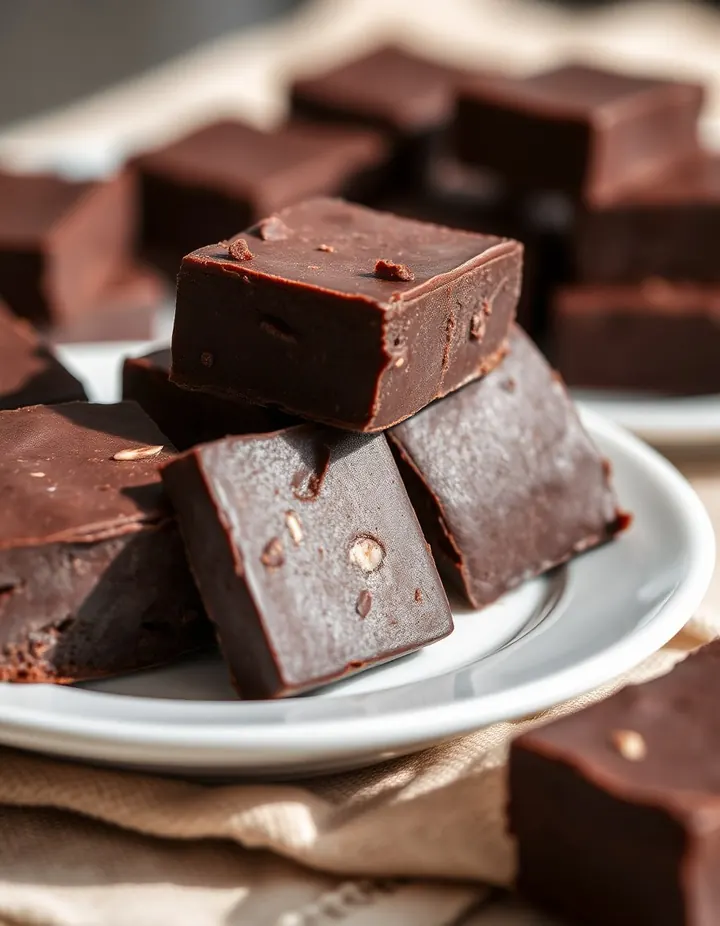 Chocolate Fudge55 recipes
The free Flavor Lab newsletter: one surprising pairing a week and the molecular reason it works, in 60 seconds. No spam, unsubscribe anytime.
Prefer an account? Create a free account to save pairings and unlock the full chemistry.