Why it works: Thyme and marjoram match in chemistry and in kitchens. They rank in the top 1% of all ingredient pairs, and cooks put them together in 2,225 recipes. Both carry terpineol, which smells pine, woody. The science ↓
Clam Chowder
Ingredients
Directions
The book gives no cooking times; the times in the steps were added in transcription, so check for doneness rather than trusting the clock.
Prepare
Cut the bacon, veal, and potatoes into small dice.
Chop the onion finely.
If the clams are small, leave them whole; if large, cut them into pieces.
Make the chowder base
In a pot, layer the bacon, a sprinkling of herbs, a little salt and pepper, then add the veal, tomatoes, and clams.
Continue layering until all ingredients are used.
Add boiling water, cover, and simmer for 30 minutes.
Make the milk sauce and finish
Heat the milk in a separate pan.
In another pan, melt the butter and stir in the flour until smooth.
Gradually add the hot milk to the butter mixture, stirring well.
Stir this mixture into the clam pot.
Break up the water biscuits and add them to the chowder.
Season with salt and pepper, and serve immediately.
Do not boil after adding the milk.
Transcribed from a scanned cookbook and modernised for today's kitchens. Where the book gave no heat or time, or said "a moderate oven", the temperatures and times here may be modern equivalents rather than the book's own figures.
Explore the science
The flavor team
The pairs that carry this dish. Each one is judged two ways: how much their aromas overlap, and how often cooks already put them together.
-
Thyme + marjoramtop 1% of all pairsSmell alikestrongCooked together2,225 recipes
Shared aroma: terpineol (pine, woody).
-
Thyme + parsleytop 1% of all pairsSmell alikestrongCooked together9,057 recipes
Shared aroma: cuminaldehyde (Spicy, cumin).
-
Marjoram + parsleytop 1% of all pairsSmell alikestrongCooked together1,979 recipes
Shared aroma: cuminaldehyde (Spicy, cumin).
-
Thyme + tomatotop 4% of all pairsSmell alikemoderateCooked together2,370 recipes
Shared aroma: 1-octen-3-one (mushroom, metallic).
-
Parsley + potatotop 5% of all pairsSmell alikemoderateCooked together2,855 recipes
Shared aroma: 4'-methylacetophenone (bitter almond).
Ranks compare each pair with 20,000 random ingredient pairs on CompKitchen. How we score pairs
What each ingredient does
- Clams
- Provide the main seafood flavour and tender chewy texture in the chowder.
- Bacon
- Adds smoky, savoury fat that flavours the broth and the other ingredients.
- Potatoes
- Soften during simmering and thicken the chowder while adding body.
- Milk
- Creates the creamy body of the chowder when combined with the butter and flour.
- Flour
- Thickens the butter and milk mixture so the chowder becomes creamy rather than watery.
- Water biscuits
- Break down into the broth and help thicken the chowder.
The step that matters
Do not boil after adding the milk. Once milk is added, high heat can scorch it and cause it to curdle or separate, so the chowder should be kept hot but not boiling.
Swap the tomato
How well each one fits the dish's main ingredients (clam, biscuit, veal, thyme, marjoram, parsley, potato):
- Shallotfits better
- Carrotfits better
- Chivefits better
- Tomatothe original
Fit is the average pairing score against clam, biscuit, veal, thyme, marjoram, parsley, potato. Candidates are from the same food group and used in at least 100 recipes.
“What each ingredient does” and “The step that matters” were written by Claude from this recipe’s own method and reviewed in samples by CompKitchen.
More clam chowder recipes
You might also like
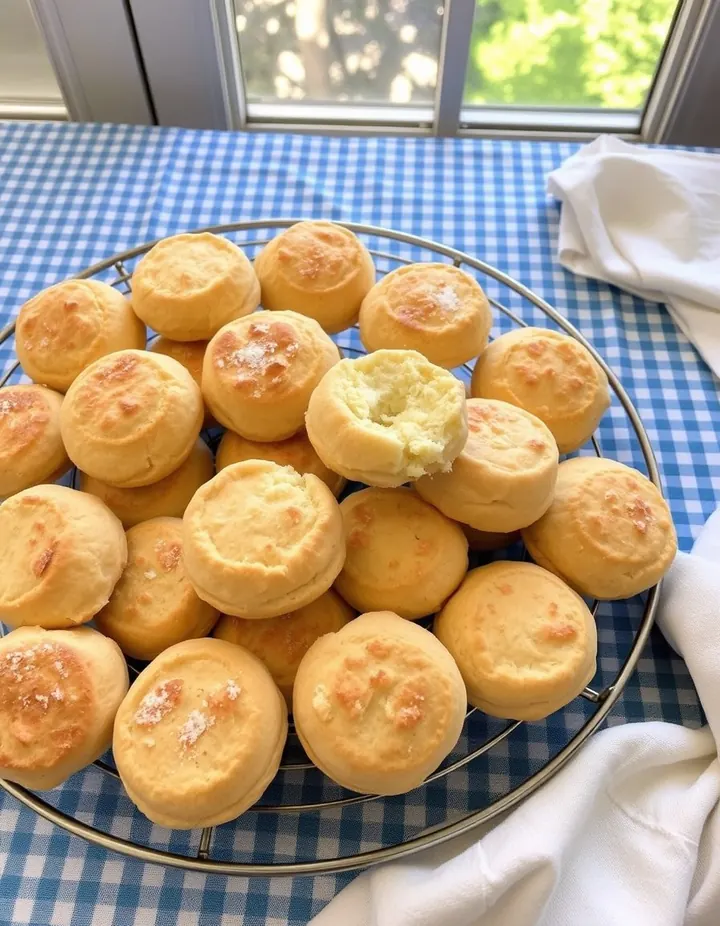 Potato Biscuit32 recipes
 Tomato Soup526 recipes
 Potato Croquettes255 recipes
 Cream of Tomato Soup107 recipes
The free Flavor Lab newsletter: one surprising pairing a week and the molecular reason it works, in 60 seconds. No spam, unsubscribe anytime.
Prefer an account? Create a free account to save pairings and unlock the full chemistry.