Why it works: Parsley and lemon match in chemistry and in kitchens. They rank in the top 1% of all ingredient pairs, and cooks put them together in 14,037 recipes. Both carry beta-phellandrene, which smells minty, terpene. The science ↓
Baked Fish
Ingredients
Directions
The book says “a hot oven”. The 400°F (200°C) in the steps is the modern equivalent, not the book's own figure. The book gives no cooking times; the times in the steps were added in transcription, so check for doneness rather than trusting the clock.
Prepare the fish
Remove the scales from the fish by scraping with a small, sharp knife from the tail to the head.
Cut off the fins with scissors.
Make an incision from the gills halfway down the body.
Remove the entrails.
Scrape out any blood.
Wipe the inside with a cloth dampened in salt water.
Dry the fish thoroughly.
Sprinkle the inside with coarse sea salt.
Stuff the fish if desired.
Sew up the opening with coarse darning cotton.
Cut gashes two inches apart on each side of the fish.
Bake and serve
Dredge the fish with salt, pepper, and flour.
Rub a baking pan with fat salt pork.
Place small pieces of fat salt pork under and over the fish.
Bake in a hot oven at 400°F (200°C) without water in the pan, basting every 10 minutes.
Transfer the fish to a hot platter using a pancake turner.
Lift the head slightly to remove the cotton.
Untie the head.
Remove the skewers.
Garnish with parsley and decorative lemon pieces.
Transcribed from a scanned cookbook and modernised for today's kitchens. Where the book gave no heat or time, or said "a moderate oven", the temperatures and times here may be modern equivalents rather than the book's own figures.
Explore the science
The flavor team
The pairs that carry this dish. Each one is judged two ways: how much their aromas overlap, and how often cooks already put them together.
-
Parsley + lemontop 1% of all pairsSmell alikestrongCooked together14,037 recipes
Shared aroma: beta-phellandrene (minty, terpene).
-
Pepper + parsleytop 2% of all pairsSmell alikestrongCooked together34,122 recipes
Shared aroma: 4'-methylacetophenone (bitter almond).
-
Pepper + lemontop 3% of all pairsSmell alikestrongCooked together27,047 recipes
Shared aroma: trans-2-nonenal (cardboard, fatty).
-
Fish + porktop 12% of all pairsSmell alikemoderateCooked together668 recipes
Shared aroma: 4-heptenal (creamy, biscuit).
-
Flour + parsleytop 12% of all pairsSmell alikemoderateCooked together16,675 recipes
Shared aroma: isobutyraldehyde (malty, green).
Ranks compare each pair with 20,000 random ingredient pairs on CompKitchen. How we score pairs
What each ingredient does
- Fish
- Forms the main body of the dish, cooking through in the oven while staying moist when basted.
- Flour
- Coats the outside, helping form a light crust that promotes browning in the oven.
- Fat salt pork
- Adds fat that keeps the fish moist and flavorful as it bakes in the pan.
- Coarse sea salt
- Seasons the fish inside and out, enhancing its natural flavor.
The step that matters
Basting every 10 minutes. Fish is lean and dries out quickly in a hot oven. Regular basting with the melting fat from the pan keeps the surface moist and the flesh tender while the interior cooks through.
“What each ingredient does” and “The step that matters” were written by Claude from this recipe’s own method and reviewed in samples by CompKitchen.
More baked fish recipes
You might also like
 Lemon Sauce236 recipes
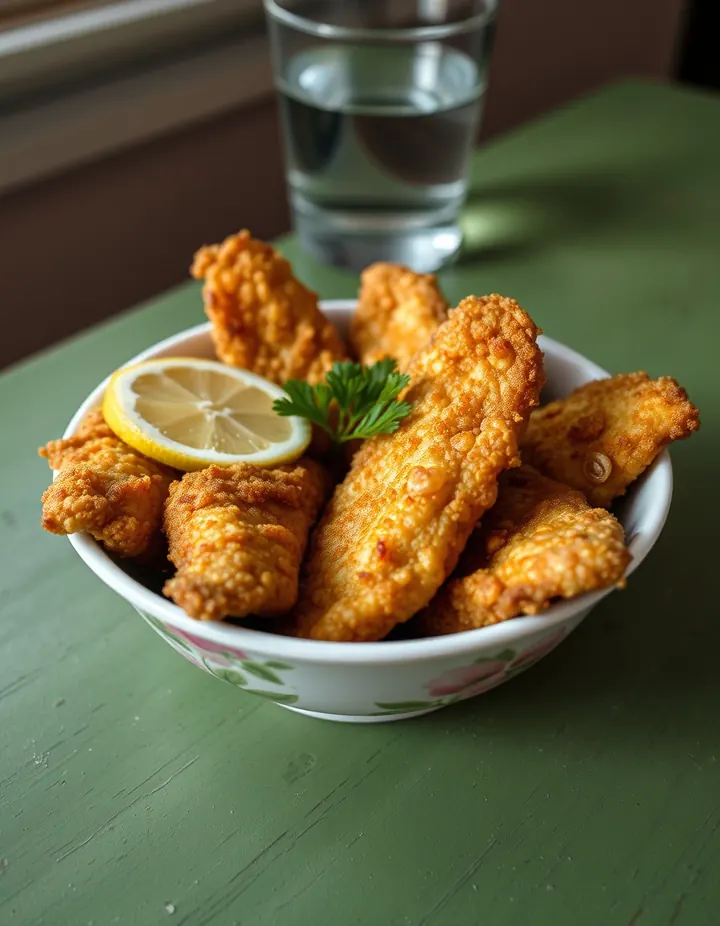 Fried Fish120 recipes
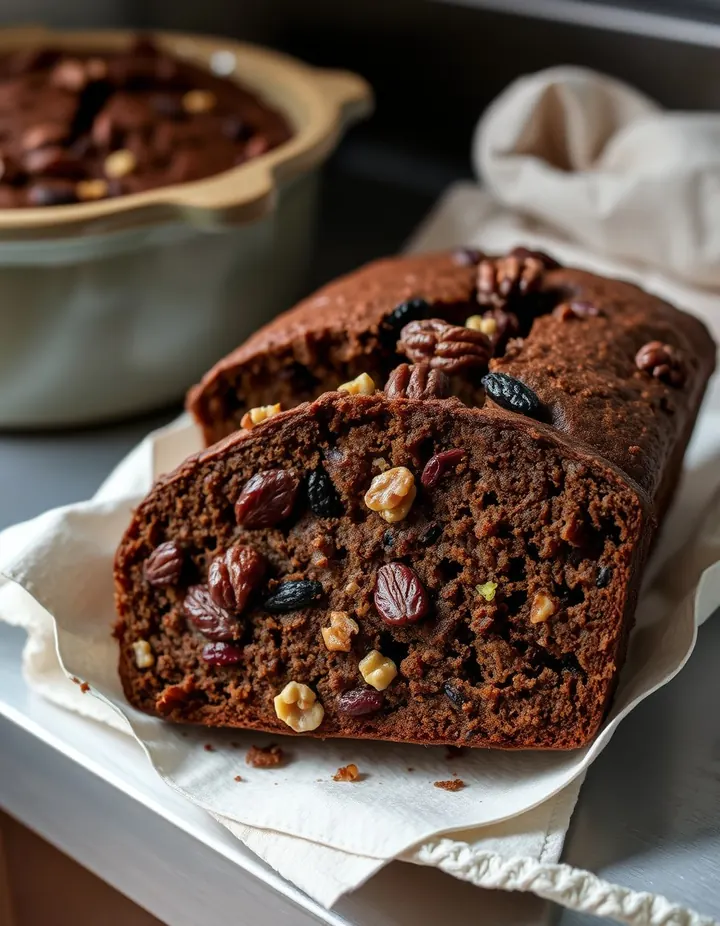 Pork Cake107 recipes
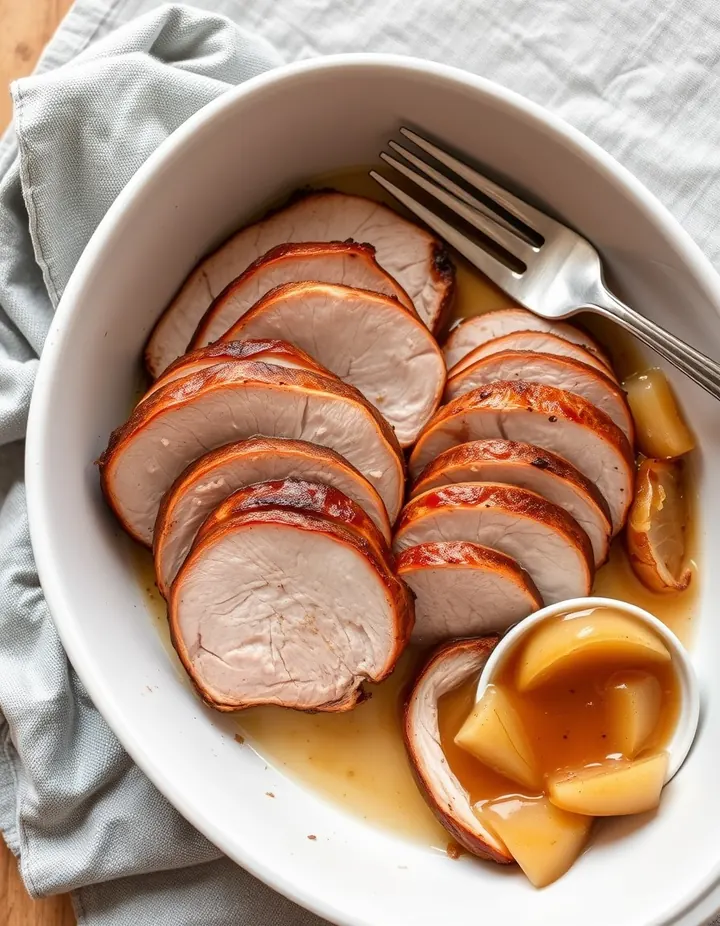 Roast Pork82 recipes
The free Flavor Lab newsletter: one surprising pairing a week and the molecular reason it works, in 60 seconds. No spam, unsubscribe anytime.
Prefer an account? Create a free account to save pairings and unlock the full chemistry.