Why it works: Apple and quince work together. They rank in the top 1% of all ingredient pairs, and cooks put them together in 506 recipes. Both carry ethyl isobutyrate, which smells fruity, ethereal. The science ↓
Jelly
Ingredients
Directions
Prepare the fruit
Wash the large fruit and cut into pieces, leaving the skin on.
Place the fruit in a granite or porcelain kettle.
For watery fruit, add just enough water to cover the bottom of the kettle.
For apples or quinces, fill the kettle almost to the level of the fruit.
Cook the fruit until it is tender.
Drain the fruit through a flannel bag without squeezing.
Make the jelly
Measure the juice and add 1 pound of sugar for every pint.
Bring the juice to a boil.
Boil for 20 minutes, skimming off any scum.
Add warmed sugar.
Boil until a spoonful jells when cold.
Cool the jelly slightly.
Pot and seal
Pour the jelly into tumblers.
Once cold, cover the jelly with melted paraffin.
Seal the jelly with tin tops.
Transcribed from a scanned cookbook and modernised for today's kitchens. Where the book gave no heat or time, or said "a moderate oven", the temperatures and times here may be modern equivalents rather than the book's own figures.
Explore the science
The flavor team
The pairs that carry this dish. Each one is judged two ways: how much their aromas overlap, and how often cooks already put them together.
-
Apple + quincetop 1% of all pairsSmell alikemoderateCooked together506 recipes
Shared aroma: ethyl isobutyrate (fruity, ethereal).
-
Apple + grapetop 1% of all pairsSmell alikestrongCooked together1,659 recipes
Shared aroma: 2-isobutyl-3-methoxypyrazine (green bell pepper, earthy).
-
Quince + grapetop 8% of all pairsSmell alikemoderateCooked together96 recipes
Shared aroma: ethyl isobutyrate (fruity, ethereal).
-
Apple + sugartop 18% of all pairsSmell alikelowCooked together16,478 recipes
Shared aroma: beta-damascenone (apple, rose).
-
Quince + sugartop 21% of all pairsSmell alikemoderateCooked together1,444 recipes
Shared aroma: 1-penten-3-one (fish, pungent).
Apple and sugar barely smell alike, yet cooks put them together in 16,478 recipes: they work on texture and structure more than aroma.
Ranks compare each pair with 20,000 random ingredient pairs on CompKitchen. How we score pairs
What each ingredient does
- Large fruit
- Apples and quinces are high in pectin, which lets the juice set into a firm jelly.
- Watery fruit
- Grapes and berries release plenty of juice, so little added water is needed to cover the kettle.
- Sugar
- Sugar helps the juice set into a jelly and gives it sweetness and body.
- Melted paraffin
- A layer of paraffin seals the jelly's surface, keeping air and mould away.
The step that matters
Boil until a spoonful jells when cold. Jelly sets because pectin and acid bind with sugar as the juice concentrates. Stopping too early leaves it runny, while overcooking can make it stiff or cloudy.
Swap the grape
How well each one fits the dish's main ingredients (apple, quince, sugar):
- Pearfits better
- Plumfits better
- Apricotfits better
- Grapethe original
Fit is the average pairing score against apple, quince, sugar. Candidates are from the same food group and used in at least 100 recipes.
“What each ingredient does” and “The step that matters” were written by Claude from this recipe’s own method and reviewed in samples by CompKitchen.
More fruit jelly recipes
You might also like
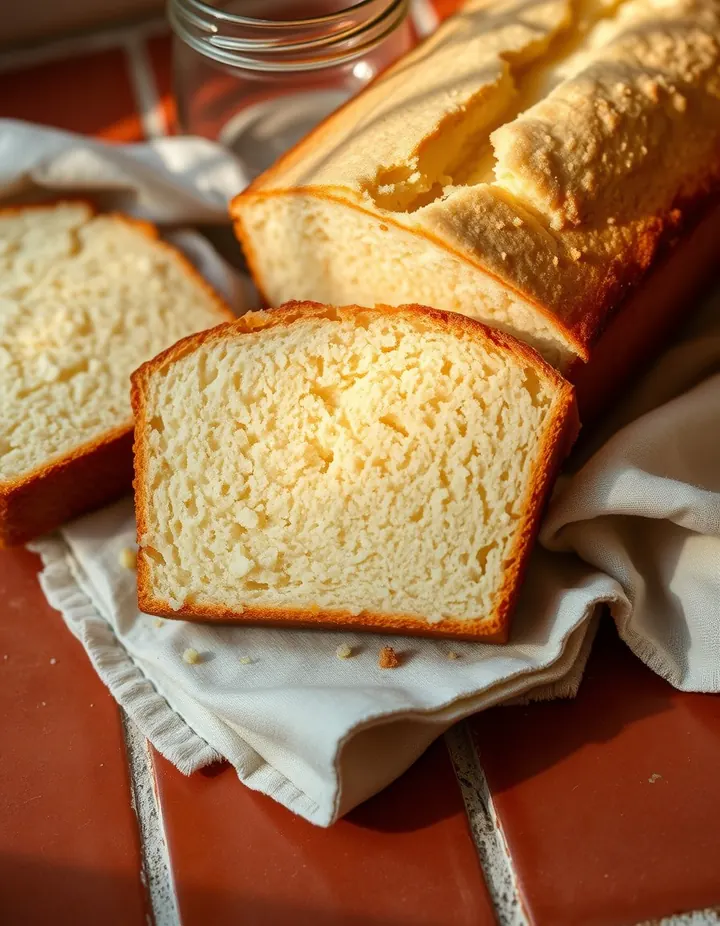 Delicate Cake246 recipes
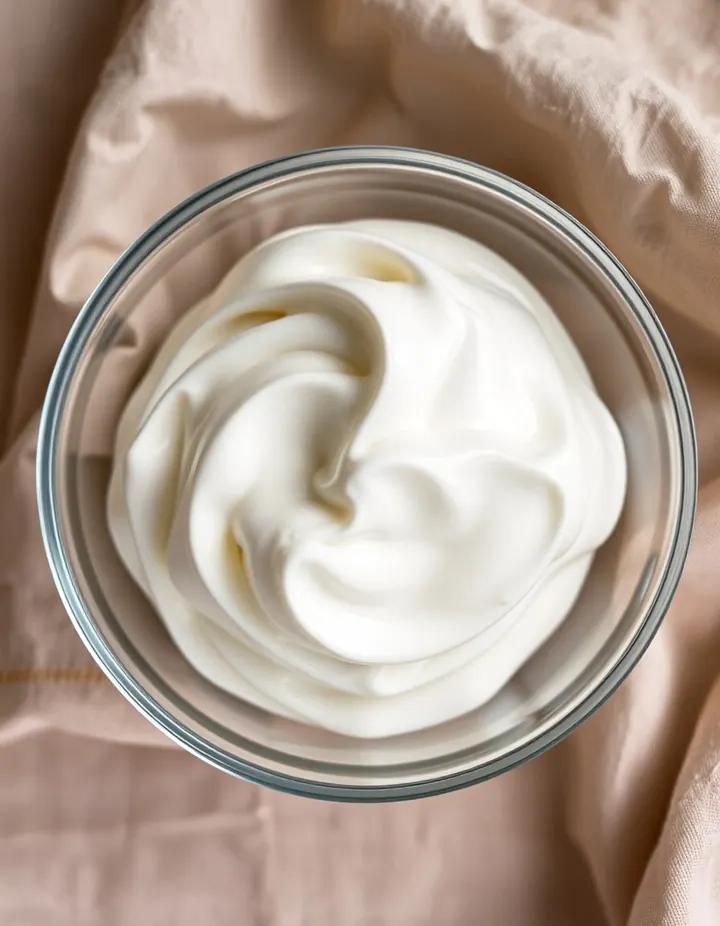 Boiled Frosting69 recipes
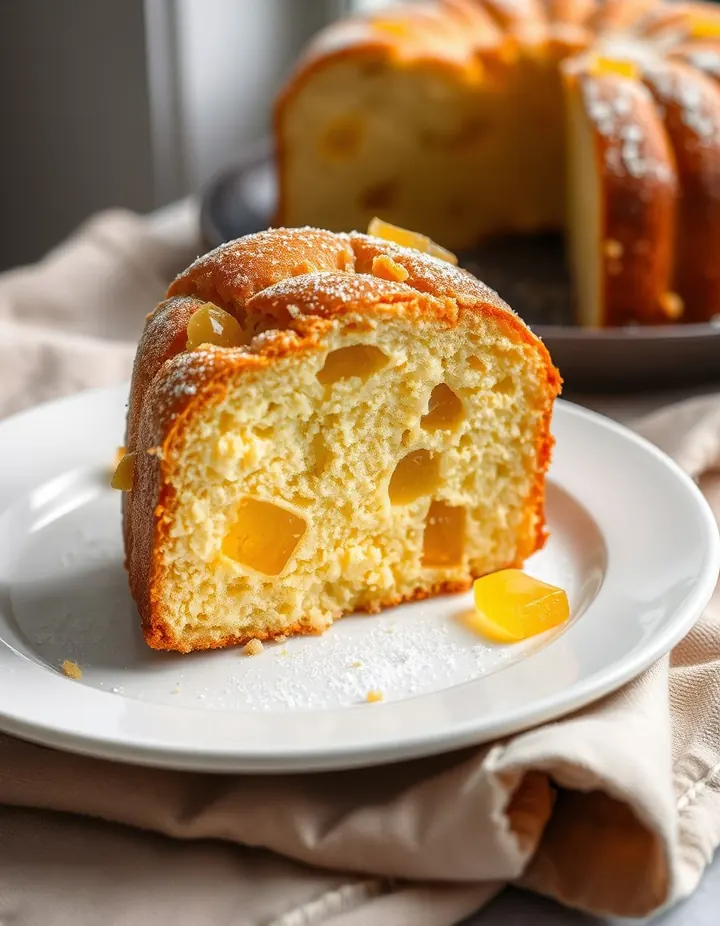 Citron Cake68 recipes
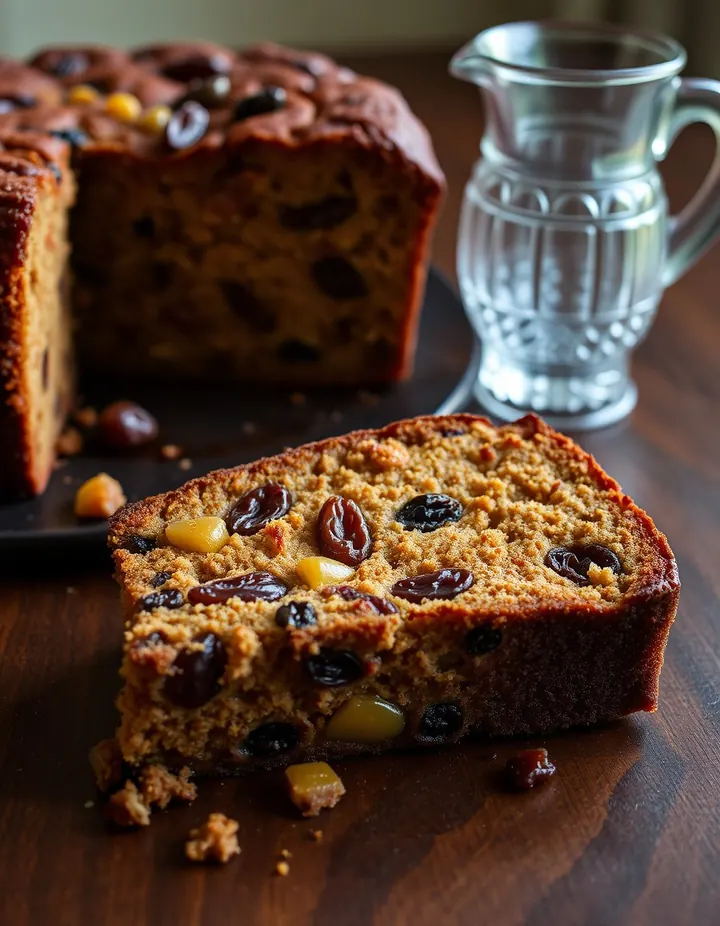 Scotch Cake63 recipes
The free Flavor Lab newsletter: one surprising pairing a week and the molecular reason it works, in 60 seconds. No spam, unsubscribe anytime.
Prefer an account? Create a free account to save pairings and unlock the full chemistry.