Why it works: Arrowroot and almond match in chemistry and in kitchens. They rank in the top 1% of all ingredient pairs, and cooks put them together in 179 recipes. Both carry coumarin, which smells sweet, hay. The science ↓
Charlotte Polonaise
Ingredients
Directions
The book says “a slow oven”. The 300°F in the steps is the modern equivalent, not the book's own figure.
Make the custard
Boil the milk (or cream) over low heat.
Beat the egg yolks with the arrowroot (or flour) in a bowl.
Gradually stir the egg mixture into the boiling milk, ensuring it is smooth.
Simmer for 10 minutes.
Divide the mixture into two saucepans.
Make the two creams
In one saucepan, add the grated chocolate and 2 ounces of powdered sugar.
Simmer the chocolate mixture for a few minutes.
Cool the chocolate mixture.
In the other saucepan, mix the pounded almonds with enough rosewater to form a paste.
Add the chopped citron and 4 ounces of powdered sugar to the almond paste.
Simmer the almond mixture briefly.
Cool the almond mixture.
Add vanilla to taste.
Assemble and bake
Layer the sponge cake slices on a china dish, alternating between the chocolate cream and almond cream.
Whip the egg whites to stiff peaks.
Gradually mix in 6 ounces of powdered sugar.
Spread the whipped mixture over the cake.
Sift sugar over the top and sides.
Bake in a slow oven (300°F / 150°C) until light brown.
Transcribed from a scanned cookbook and modernised for today's kitchens. Where the book gave no heat or time, or said "a moderate oven", the temperatures and times here may be modern equivalents rather than the book's own figures.
Explore the science
The flavor team
The pairs that carry this dish. Each one is judged two ways: how much their aromas overlap, and how often cooks already put them together.
-
Arrowroot + almondtop 1% of all pairsSmell alikestrongCooked together179 recipes
Shared aroma: coumarin (sweet, hay).
-
Arrowroot + vanillatop 3% of all pairsSmell alikestrongCooked together242 recipes
Shared aroma: coumarin (sweet, hay).
-
Almond + vanillatop 4% of all pairsSmell alikestrongCooked together3,961 recipes
Shared aroma: eucalyptol (eucalyptus, herbal).
-
Milk + vanillatop 5% of all pairsSmell alikemoderateCooked together19,187 recipes
Shared aroma: ethyl caproate (fruity, apple peel).
-
Chocolate + vanillatop 5% of all pairsSmell alikemoderateCooked together10,020 recipes
Shared aroma: sotolon (curry, maple).
Ranks compare each pair with 20,000 random ingredient pairs on CompKitchen. How we score pairs
What each ingredient does
- Egg yolks
- Thicken the milk into a smooth custard that sets the chocolate and almond creams.
- Arrowroot
- Thickens the custard base so it holds its body when cooled.
- Grated chocolate
- Gives the chocolate cream its flavor and deep color.
- Sweet almonds
- Provide body, nutty flavor and richness to the almond cream.
- Egg whites
- Whipped to stiff peaks, they form the light topping that browns in the oven.
- Sponge cake
- Provides a soft, absorbent base that holds the creams between layers.
The step that matters
Cool the custards before layering. Hot cream would melt the whipped egg white topping and soften the sponge, so each cream must be fully cooled first.
Swap the arrowroot
How well each one fits the dish's main ingredients (milk, egg, chocolate, sugar, almond, vanilla):
- Arrowrootthe original
- Sweet potatofits about as well
- Capsicumfits less well
- Beetrootfits less well
Fit is the average pairing score against milk, egg, chocolate, sugar, almond, vanilla. Candidates are from the same food group and used in at least 100 recipes.
“What each ingredient does” and “The step that matters” were written by Claude from this recipe’s own method and reviewed in samples by CompKitchen.
You might also like
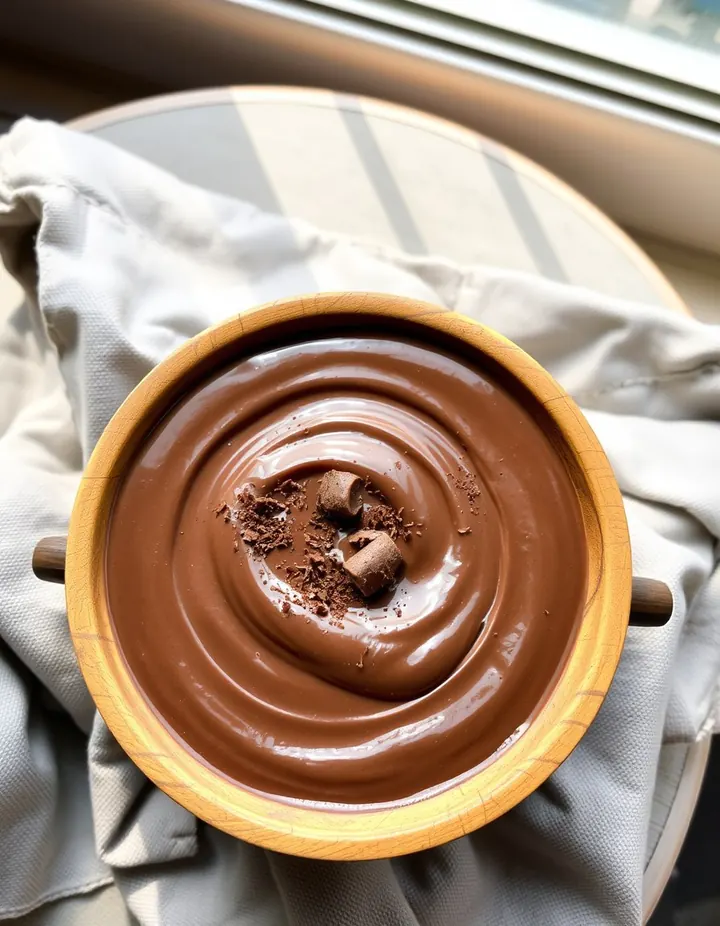 Chocolate Cream171 recipes
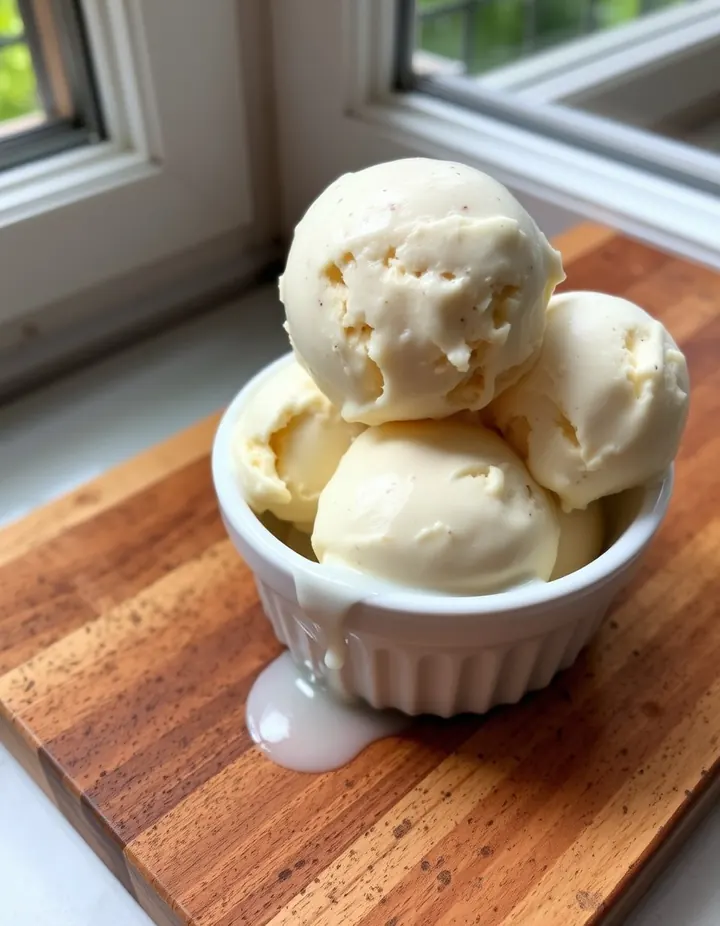 Vanilla Ice Cream108 recipes
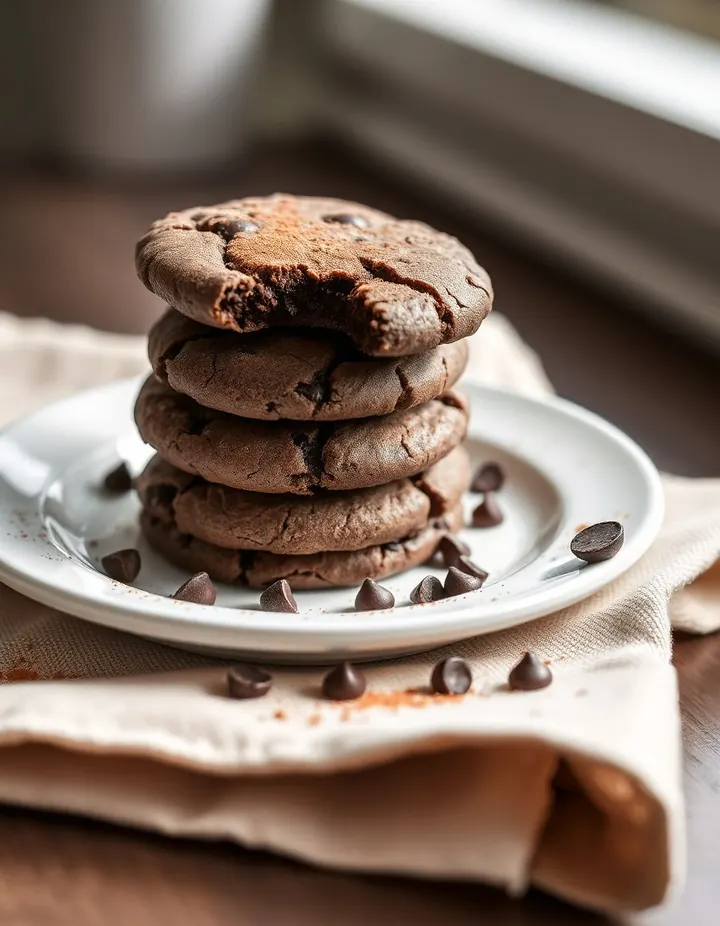 Chocolate Cookies76 recipes
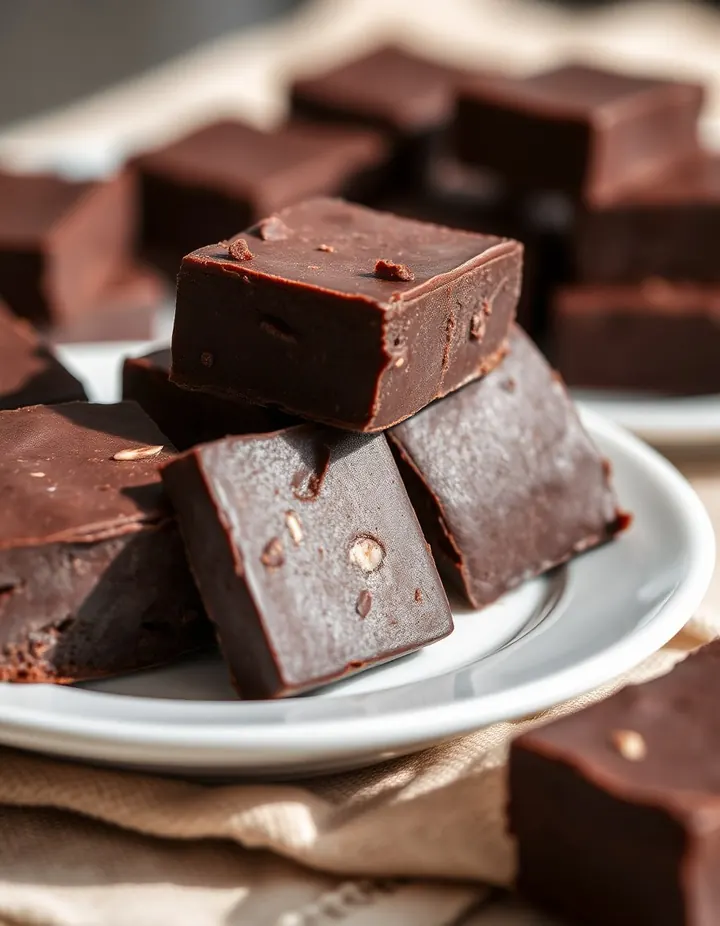 Chocolate Fudge55 recipes
The free Flavor Lab newsletter: one surprising pairing a week and the molecular reason it works, in 60 seconds. No spam, unsubscribe anytime.
Prefer an account? Create a free account to save pairings and unlock the full chemistry.