Why it works: Thyme and parsley match in chemistry and in kitchens. They rank in the top 1% of all ingredient pairs, and cooks put them together in 9,057 recipes. Both carry cuminaldehyde, which smells Spicy, cumin. The science ↓
A Turkey and Truffles
Ingredients
Directions
The book gives no oven temperature. The 400°F (200°C) in the steps was added when the recipe was transcribed, as a starting point.
Prepare the turkey
Prepare the turkey three days in advance.
Place 1 pound of truffles inside the crop and hang the turkey by its legs.
When ready to cook, remove the truffles, slice half, and place them between the skin and breast.
Chop the remaining truffles and place them in the carcass.
In a bowl, mix veal, fat from ham, and lean ham.
Add shallot, thyme, parsley, salt, and pepper.
Incorporate eggs and bread crumbs, then fill the crop of the turkey with this mixture.
Wrap the turkey in bacon and place lemon slices between the breast and bone.
Wrap tightly in paper.
Roast and serve
Roast the turkey on a spit for about 2 hours at 400°F (200°C).
In a saucepan, combine the remaining truffles, stock, and sherry.
Cover with bacon and cook on low heat for about 2 hours.
Once cooked, slice the truffles thinly and strain the cooking liquid.
Reduce it to a glaze and mix in the truffle slices.
When the turkey is done, remove the paper and bacon, glaze it, and serve with the truffle sauce.
Transcribed from a scanned cookbook and modernised for today's kitchens. Where the book gave no heat or time, or said "a moderate oven", the temperatures and times here may be modern equivalents rather than the book's own figures.
Explore the science
The flavor team
The pairs that carry this dish. Each one is judged two ways: how much their aromas overlap, and how often cooks already put them together.
-
Thyme + parsleytop 1% of all pairsSmell alikestrongCooked together9,057 recipes
Shared aroma: cuminaldehyde (Spicy, cumin).
-
Shallot + parsleytop 1% of all pairsSmell alikestrongCooked together3,737 recipes
Shared aroma: 2,4-decadienal (seaweed).
-
Shallot + thymetop 1% of all pairsSmell alikestrongCooked together1,476 recipes
Shared aroma: eucalyptol (eucalyptus, herbal).
-
Turkey + thymetop 10% of all pairsSmell alikemoderateCooked together233 recipes
Shared aroma: cuminaldehyde (Spicy, cumin).
-
Truffle + vealtop 11% of all pairsSmell alikelowCooked together815 recipes
Shared aroma: 2,4-nonadienal (fatty, green).
Ranks compare each pair with 20,000 random ingredient pairs on CompKitchen. How we score pairs
What each ingredient does
- Turkey
- Forms the main body of the dish, carrying the stuffing and truffles while it roasts.
- Truffles
- Supply the aroma and flavour that define the dish, infused into the bird and the sauce.
- Veal
- Adds body and moisture to the stuffing mixture.
- Eggs
- Bind the stuffing so it holds together during roasting.
- Bread crumbs
- Absorb moisture and give the stuffing a light, set texture.
- Bacon
- Wraps the bird to baste it with its fat and keep the meat moist.
The step that matters
Reduce the cooking liquid to a glaze. Reducing concentrates the stock and sherry into a thick, flavourful liquid. If it is under-reduced the sauce stays thin; if over-reduced it becomes too salty and sticky.
Swap the shallot
How well each one fits the dish's main ingredients (turkey, truffle, veal, ham, thyme, parsley, egg):
- Shallotthe original
- Leekfits about as well
- Carrotfits about as well
- Asparagusfits less well
Fit is the average pairing score against turkey, truffle, veal, ham, thyme, parsley, egg. Candidates are from the same food group and used in at least 100 recipes.
“What each ingredient does” and “The step that matters” were written by Claude from this recipe’s own method and reviewed in samples by CompKitchen.
You might also like
 Brown Bread461 recipes
 Lemon Sauce236 recipes
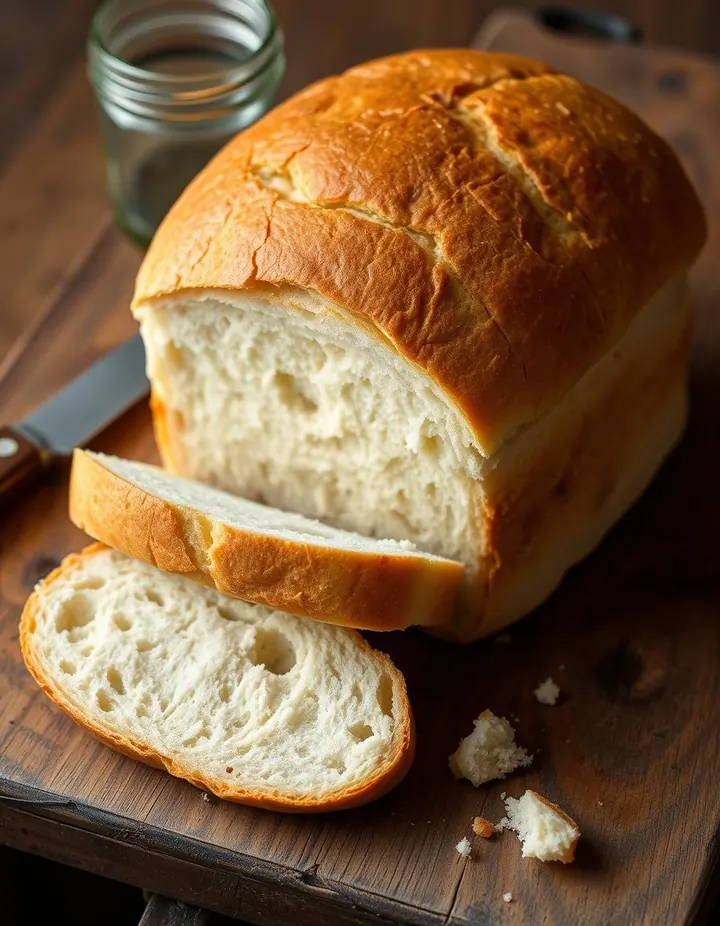 White Bread80 recipes
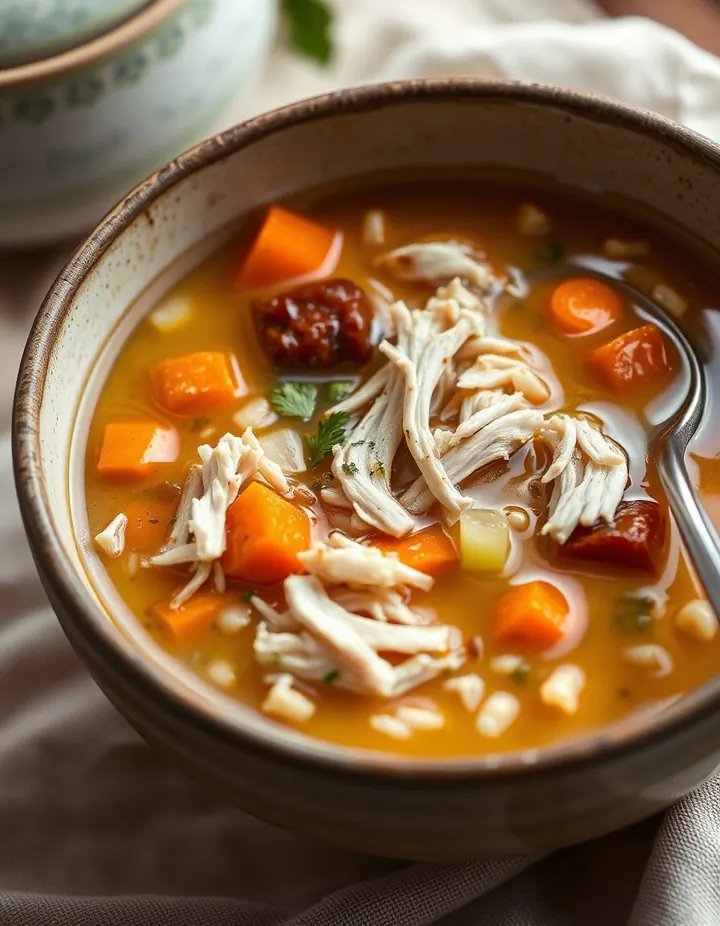 Turkey Soup71 recipes
The free Flavor Lab newsletter: one surprising pairing a week and the molecular reason it works, in 60 seconds. No spam, unsubscribe anytime.
Prefer an account? Create a free account to save pairings and unlock the full chemistry.