Why it works: Beans and tomato match in chemistry and in kitchens. They rank in the top 1% of all ingredient pairs, and 2,713 recipes mention both. Both carry 2-isopropyl-3-methoxypyrazine, which smells earthy, pea. The science ↓
Bakedibeans with Tomato Sauce
Ingredients
Directions
The book gives no oven temperature. The 300°F (150°C) in the steps was added when the recipe was transcribed, as a starting point.
Prepare the beans
Soak the beans overnight.
Make the sauce
Combine the tomatoes, cloves, and onion in a pot.
Cook the mixture for 30 minutes.
Strain the mixture through a sieve.
Make a paste with the flour and a little water.
Add the vinegar, salt, brown sugar, and cayenne pepper to the paste.
Cook the sauce for 10 minutes.
Bake
Place the soaked beans and pork in a gallon jar.
Fill the jar nearly full with water and pour the tomato sauce over the top.
Bake at 300°F (150°C) for 5 hours.
Transcribed from a scanned cookbook and modernised for today's kitchens. Where the book gave no heat or time, or said "a moderate oven", the temperatures and times here may be modern equivalents rather than the book's own figures.
Explore the science
The flavor team
The pairs that carry this dish. Each one is judged two ways: how much aroma chemistry they share, and how many recipes mention both.
-
Beans + tomatotop 1% of all pairsAroma overlapstrongMentioned together2,713 recipes
Shared aroma: 2-isopropyl-3-methoxypyrazine (earthy, pea).
-
Clove + peppertop 5% of all pairsAroma overlapstrongMentioned together17,451 recipes
Shared aroma: ethyl octanoate (fruity, wine).
-
Beans + oniontop 7% of all pairsAroma overlapstrongMentioned together5,242 recipes
Shared aroma: 2-isopropyl-3-methoxypyrazine (earthy, pea).
-
Tomato + peppertop 7% of all pairsAroma overlapmoderateMentioned together17,923 recipes
Shared aroma: 2-isopropyl-3-methoxypyrazine (earthy, pea).
-
Tomato + oniontop 8% of all pairsAroma overlapmoderateMentioned together20,633 recipes
Shared aroma: 2-isopropyl-3-methoxypyrazine (earthy, pea).
Ranks compare each pair with 20,000 random ingredient pairs on CompKitchen. How we score pairs
What each ingredient does
- Small white beans
- Provide the bulk and starchy body of the dish as they soften during long baking.
- Tomatoes
- Supply acidity and moisture that form the base of the sauce.
- Flour
- Thickens the sauce into a paste-based body that clings to the beans.
- Brown sugar
- Adds sweetness and helps the sauce caramelize slightly during long baking.
- Vinegar
- Adds acidity that balances the sweetness and brightens the sauce.
- Pork
- Adds fat and savory meaty flavor that enriches the beans as they bake.
The step that matters
Bake at 300°F for 5 hours. Long, low heat lets the beans soften fully and gradually tenderize the pork while the sauce thickens and deepens in flavor. Too high a heat can dry the beans and toughen the meat.
Flavor stand-ins for the onion
How well each one fits the dish's main ingredients (beans, tomato, clove, flour, vinegar, sugar, pepper):
- Capsicumbetter flavor fit
- Okrabetter flavor fit
- Mustardbetter flavor fit
- Onionthe original
Fit is the average pairing score against beans, tomato, clove, flour, vinegar, sugar, pepper. Candidates are from the same food group and used in at least 100 recipes. This compares flavor only: it does not check the job the ingredient does in the dish (bulk, moisture, acidity, structure).
“What each ingredient does” and “The step that matters” were written by Claude from this recipe’s own method and reviewed in samples by CompKitchen.
More baked beans recipes
You might also like
 Tomato Soup526 recipes
 Cream of Tomato Soup107 recipes
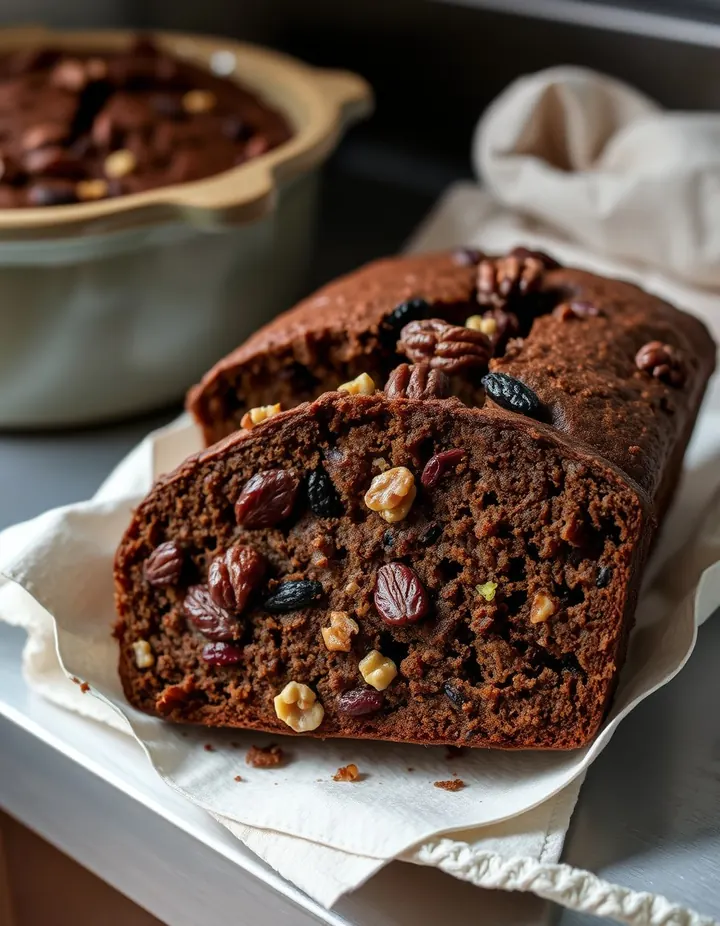 Pork Cake107 recipes
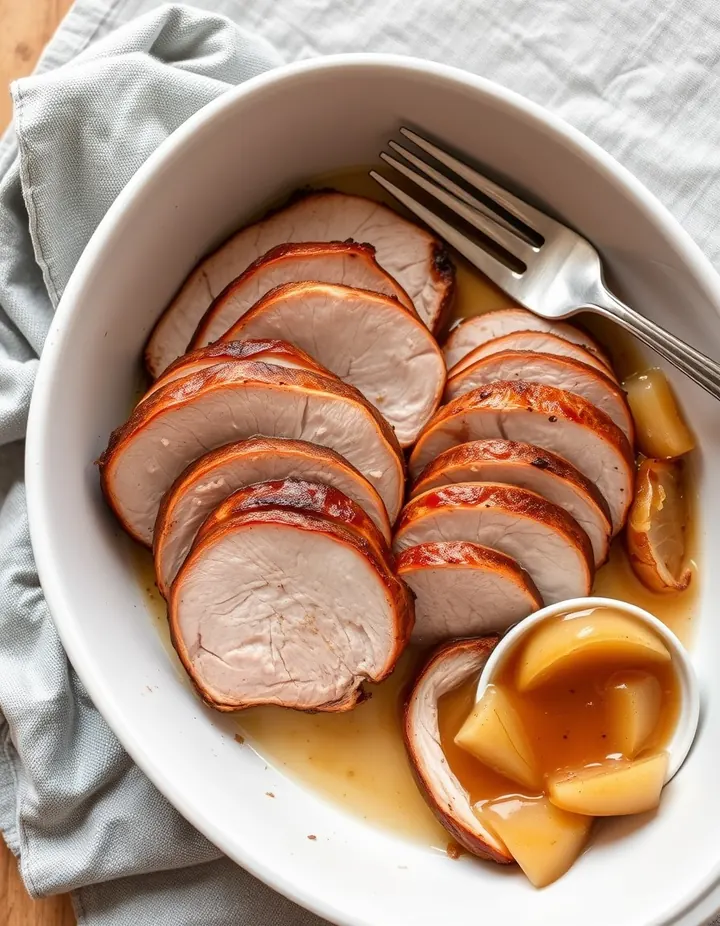 Roast Pork82 recipes
The Sunday pairing: one pairing, the chemistry behind it, and how to cook it. No spam, unsubscribe anytime.
Prefer an account? Create a free account for sign-in; Pro adds the full results and chemistry.