Why it works: Rye and corn work together. They rank in the top 7% of all ingredient pairs, and cooks put them together in 182 recipes. Both carry acetic acid, which smells sour, vinegar. The science ↓
Dry Hop Yeast
Ingredients
Directions
Make the starter
Mix hops, hot water, and rye flour.
Let the mixture cool to lukewarm.
Add beer yeast.
Allow it to ferment overnight.
Shape and dry
Add corn or barley meal.
Knead into a stiff dough.
Roll the dough to about ½ inch thick.
Divide into cakes.
Dry completely in a warm room or in the sun, turning frequently.
Store in well-closed pots for long-term use.
Transcribed from a scanned cookbook and modernised for today's kitchens. Where the book gave no heat or time, or said "a moderate oven", the temperatures and times here may be modern equivalents rather than the book's own figures.
Explore the science
The flavor team
The pairs that carry this dish. Each one is judged two ways: how much their aromas overlap, and how often cooks already put them together.
-
Rye + corntop 7% of all pairsSmell alikemoderateCooked together182 recipes
Shared aroma: acetic acid (sour, vinegar).
-
Rye + flourtop 8% of all pairsSmell alikestrongCooked together1,320 recipes
Shared aroma: isobutyraldehyde (malty, green).
-
Flour + corntop 13% of all pairsSmell alikemoderateCooked together6,165 recipes
Shared aroma: isobutyraldehyde (malty, green).
-
Flour + beertop 16% of all pairsSmell alikelowCooked together781 recipes
Shared aroma: isobutyraldehyde (malty, green).
-
Rye + beertop 17% of all pairsSmell alikemoderateCooked together19 recipes
Shared aroma: ethyl 2-methylbutyrate (fruity, apple).
Ranks compare each pair with 20,000 random ingredient pairs on CompKitchen. How we score pairs
What each ingredient does
- Hops
- Provide bitterness and aroma, and help preserve the bread.
- Rye flour
- Supplies starch and proteins that feed the yeast and give the dough body.
- Beer yeast
- Ferments the starter, producing gas that lightens the dough.
- Corn or barley meal
- Adds bulk and structure to the stiff dough.
The step that matters
Allow it to ferment overnight. Fermentation needs enough time and mild warmth for yeast to multiply and produce gas. Too short a rest leaves the dough dense and under-developed in flavour.
“What each ingredient does” and “The step that matters” were written by Claude from this recipe’s own method and reviewed in samples by CompKitchen.
You might also like
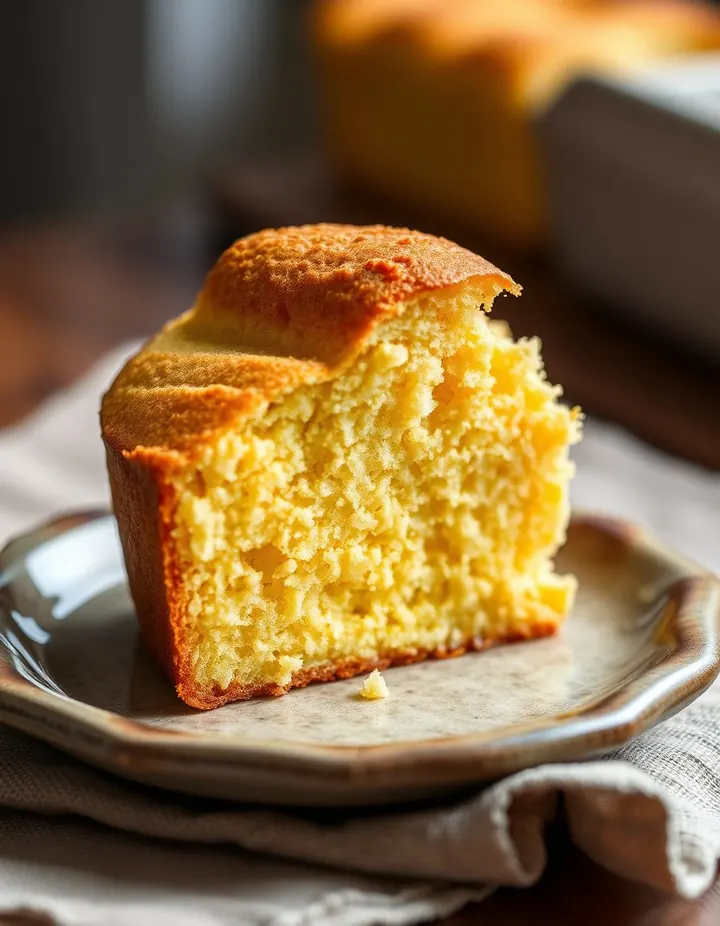 Cornbread345 recipes
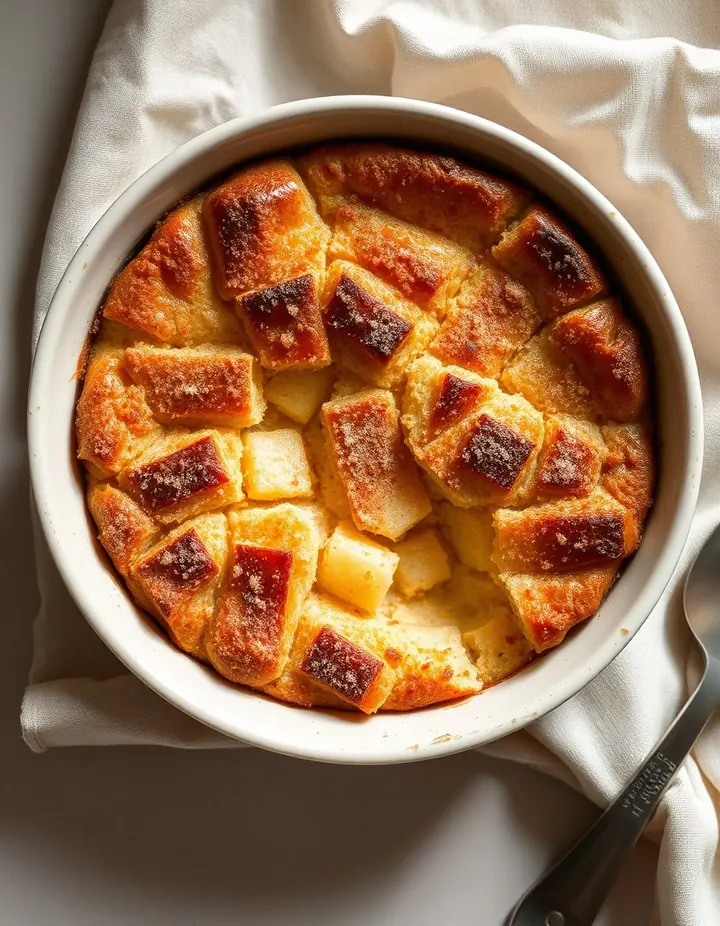 Bread Pudding336 recipes
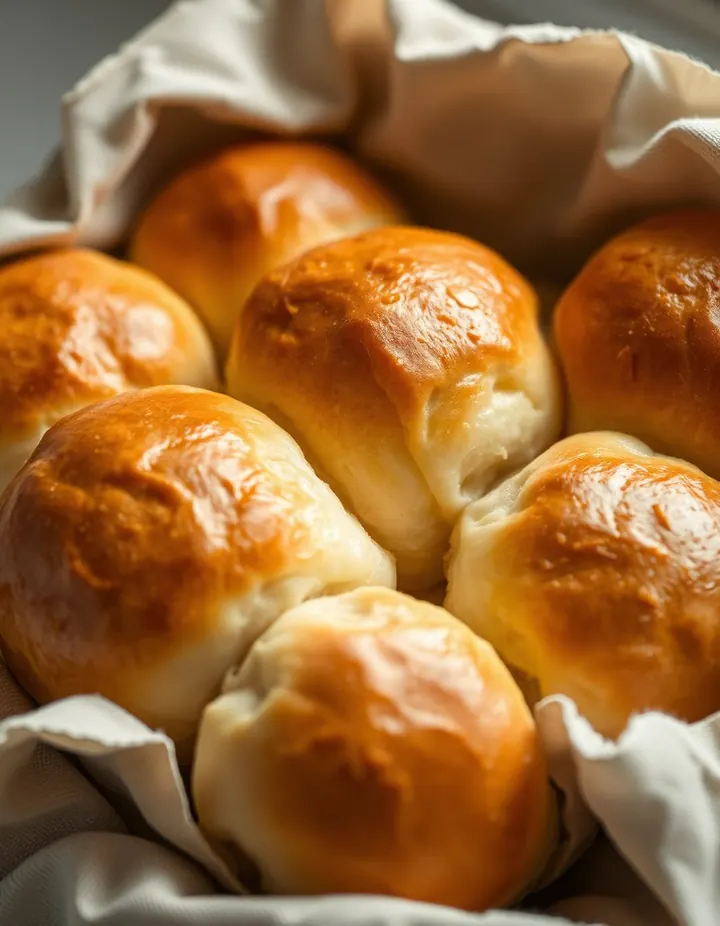 Milk Bread Rolls242 recipes
 Potato Bread124 recipes
The free Flavor Lab newsletter: one surprising pairing a week and the molecular reason it works, in 60 seconds. No spam, unsubscribe anytime.
Prefer an account? Create a free account to save pairings and unlock the full chemistry.