Why it works: Cabbage and vinegar are a kitchen classic. They rank in the top 13% of all ingredient pairs, and cooks put them together in 2,924 recipes. Both carry 4'-methylacetophenone, which smells bitter almond. The science ↓
Boiled Cabbage
Ingredients
Directions
Prepare
Cut off the stalk and remove the faded and outer leaves.
Halve or quarter the cabbage if large, then wash thoroughly.
Soak the cabbage in water with 1 tablespoon of vinegar for a few minutes to remove insects.
Drain the cabbage in a colander.
Boil and serve
Boil a large pot of water with 1 tablespoon of salt and a small piece of baking soda.
Add the cabbage and boil uncovered until tender, about 10 to 15 minutes for young summer cabbage or 30 minutes or more for large cabbage.
Drain thoroughly and serve.
Transcribed from a scanned cookbook and modernised for today's kitchens. Where the book gave no heat or time, or said "a moderate oven", the temperatures and times here may be modern equivalents rather than the book's own figures.
Explore the science
The flavor team
The pairs that carry this dish. Each one is judged two ways: how much their aromas overlap, and how often cooks already put them together.
-
Cabbage + vinegartop 13% of all pairsSmell alikemoderateCooked together2,924 recipes
Shared aroma: 4'-methylacetophenone (bitter almond).
Ranks compare each pair with 20,000 random ingredient pairs on CompKitchen. How we score pairs
What each ingredient does
- Cabbage
- Is the main vegetable; boiling softens its tough leaves until tender.
- Vinegar
- Soaked in the water briefly to help loosen insects from the leaves before cooking.
- Baking soda
- Added to the boiling water, it raises the water's alkalinity, which helps keep the cabbage's color bright.
The step that matters
Boil until tender. Cabbage needs enough time for its tough fibers to soften, but overcooking releases sulfur compounds that cause strong odor and mushy texture. Check for tenderness rather than relying on a fixed time, since cabbage size and age vary.
“What each ingredient does” and “The step that matters” were written by Claude from this recipe’s own method and reviewed in samples by CompKitchen.
More boiled cabbage recipes
You might also like
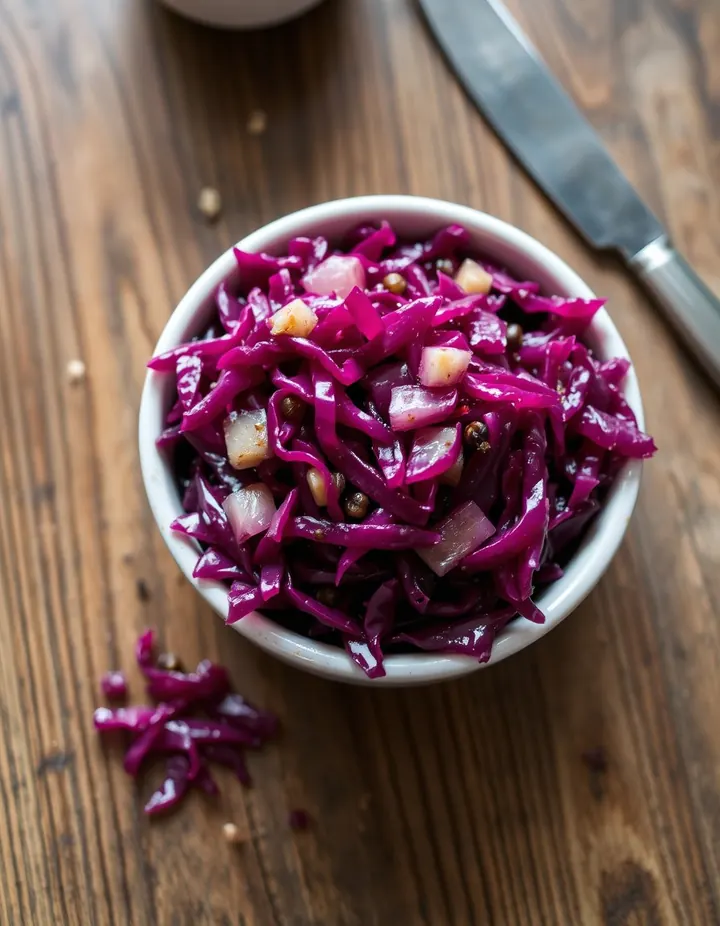 Red Cabbage65 recipes
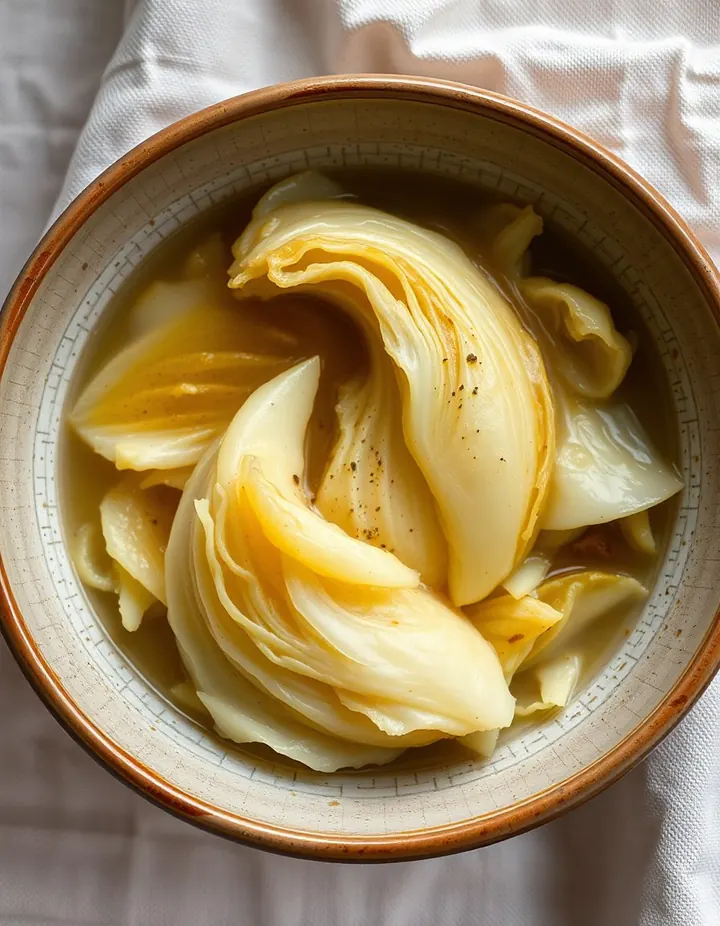 Stewed Cabbage58 recipes
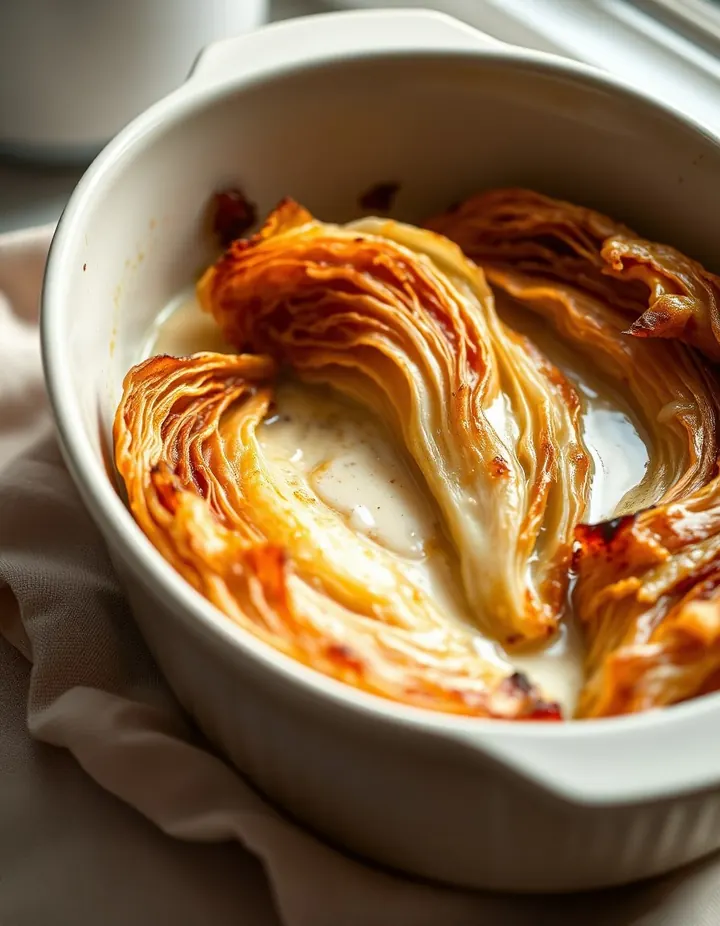 Baked Cabbage51 recipes
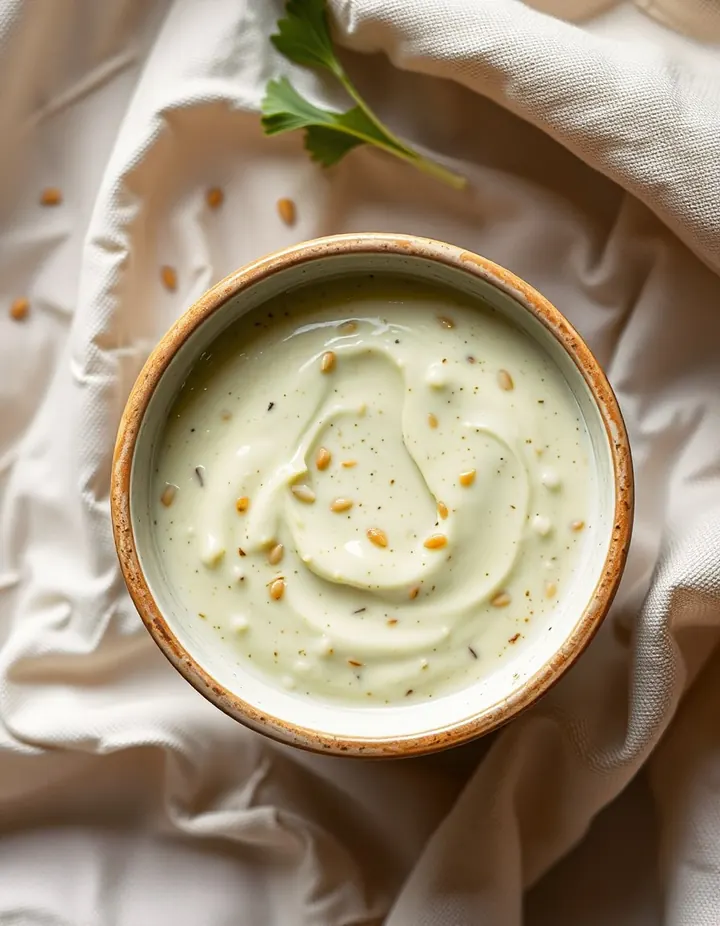 Cabbage Dressing19 recipes
The free Flavor Lab newsletter: one surprising pairing a week and the molecular reason it works, in 60 seconds. No spam, unsubscribe anytime.
Prefer an account? Create a free account to save pairings and unlock the full chemistry.