Why it works: Mustard and radish match in chemistry and in kitchens. They rank in the top 1% of all ingredient pairs, and cooks put them together in 297 recipes. Both carry eucalyptol, which smells eucalyptus, herbal. The science ↓
Pepper Mangoes
Ingredients
Directions
Prepare the peppers
Cut the tops off the bell peppers, leaving the stems to form lids.
Scrape out the seeds.
Soak the peppers in salt water overnight, using 1 cup of salt per pail of water.
Drain the peppers upside down on a tray.
Make the filling
Chop fresh cabbage very fine.
For each gallon of chopped cabbage, mix in 1 cup sugar, 1 tablespoon white mustard seed, 1 tablespoon black mustard seed, and 1 tablespoon celery seed.
Let the mixture stand for 1 hour.
Squeeze the cabbage mixture to remove excess moisture.
Stuff the peppers tightly with the mixture.
Pack and pickle
Place a lid on each stuffed pepper and secure with 3 wooden toothpicks.
Pack the peppers into a 2 or 3-gallon stone jar, leaving space for a plate and weight.
Add several horse radish roots on top and sprinkle ½ cup sugar into the jar to prevent spoilage.
Cover the peppers with cider vinegar, ensuring they are submerged. Use a plate and weight if necessary.
Seal the jar with thick paper.
Store in a cool place; they will keep for a year.
Serve
Remove the toothpicks and lid, and serve the mangoes in a pickle dish.
Transcribed from a scanned cookbook and modernised for today's kitchens. Where the book gave no heat or time, or said "a moderate oven", the temperatures and times here may be modern equivalents rather than the book's own figures.
Explore the science
The flavor team
The pairs that carry this dish. Each one is judged two ways: how much their aromas overlap, and how often cooks already put them together.
-
Mustard + radishtop 1% of all pairsSmell alikestrongCooked together297 recipes
Shared aroma: eucalyptol (eucalyptus, herbal).
-
Mustard + celerytop 2% of all pairsSmell alikemoderateCooked together4,169 recipes
Shared aroma: guaiacol (smoky, sweet).
-
Cabbage + radishtop 3% of all pairsSmell alikestrongCooked together106 recipes
Shared aroma: trans-2-hexenal (green, leafy).
-
Cabbage + mustardtop 3% of all pairsSmell alikestrongCooked together1,645 recipes
Shared aroma: 2-isopropyl-3-methoxypyrazine (earthy, pea).
-
Horse + radishtop 4% of all pairsSmell alikemoderateCooked together529 recipes
Shared aroma: 2-methylbutyraldehyde (malty, chocolate).
Ranks compare each pair with 20,000 random ingredient pairs on CompKitchen. How we score pairs
What each ingredient does
- Bell peppers
- Form the edible container that holds the filling and keeps its shape.
- Fresh cabbage
- Provides the bulk of the filling and a crisp, crunchy texture after pickling.
- Mustard seed
- Adds a sharp, pungent flavour that mellows during pickling.
- Sugar
- Adds sweetness that balances the sharpness of the vinegar.
- Cider vinegar
- Adds acidity that flavours the pickle and helps preserve it.
The step that matters
Keep the peppers fully submerged in the vinegar. Peppers left above the liquid are exposed to air, which lets mould and spoilage microbes grow on the surface. Covering everything with vinegar and weighting it down keeps the acidic brine in contact with the whole pickle.
Swap the celery
How well each one fits the dish's main ingredients (pepper, cabbage, sugar, mustard, horse, radish, cider):
- Allspicefits about as well
- Turmericfits about as well
- Celerythe original
- Cinnamonfits about as well
Fit is the average pairing score against pepper, cabbage, sugar, mustard, horse, radish, cider. Candidates are from the same food group and used in at least 100 recipes.
“What each ingredient does” and “The step that matters” were written by Claude from this recipe’s own method and reviewed in samples by CompKitchen.
You might also like
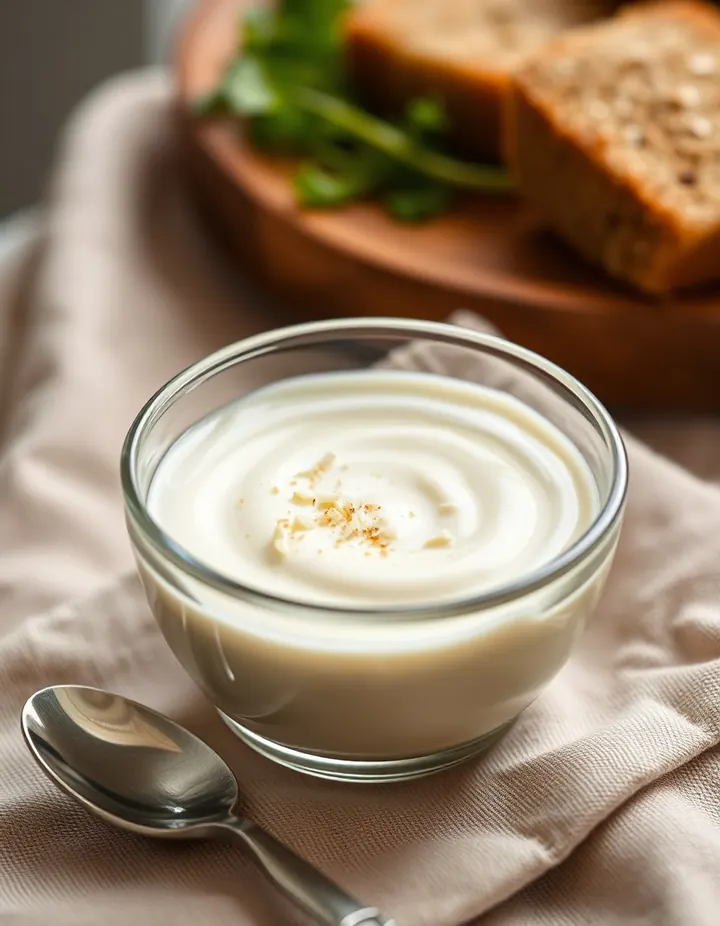 Horseradish Sauce23 recipes
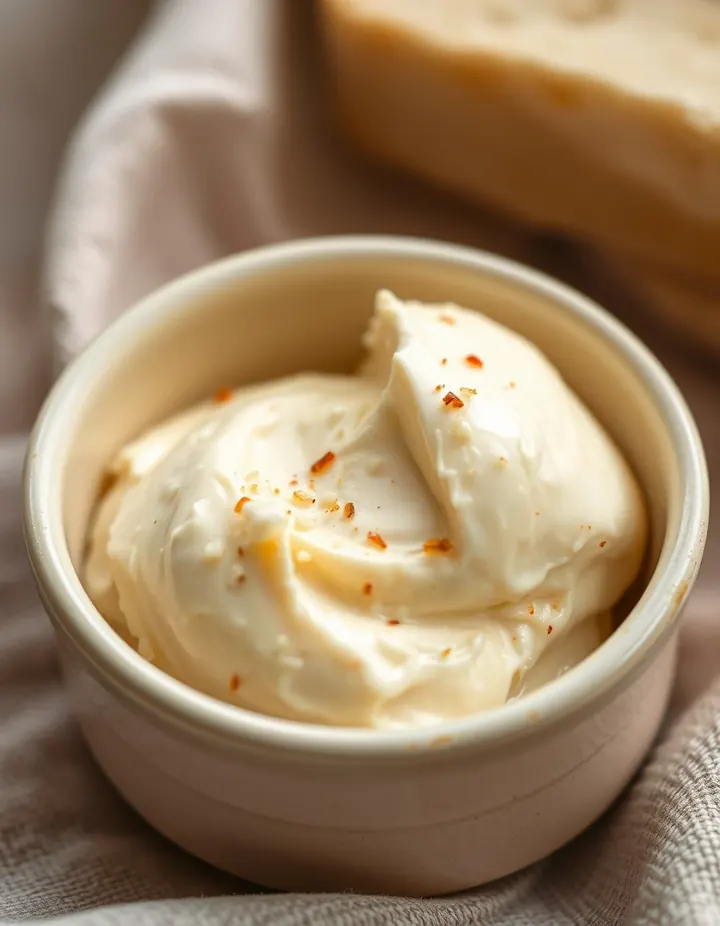 Horseradish Butter6 recipes
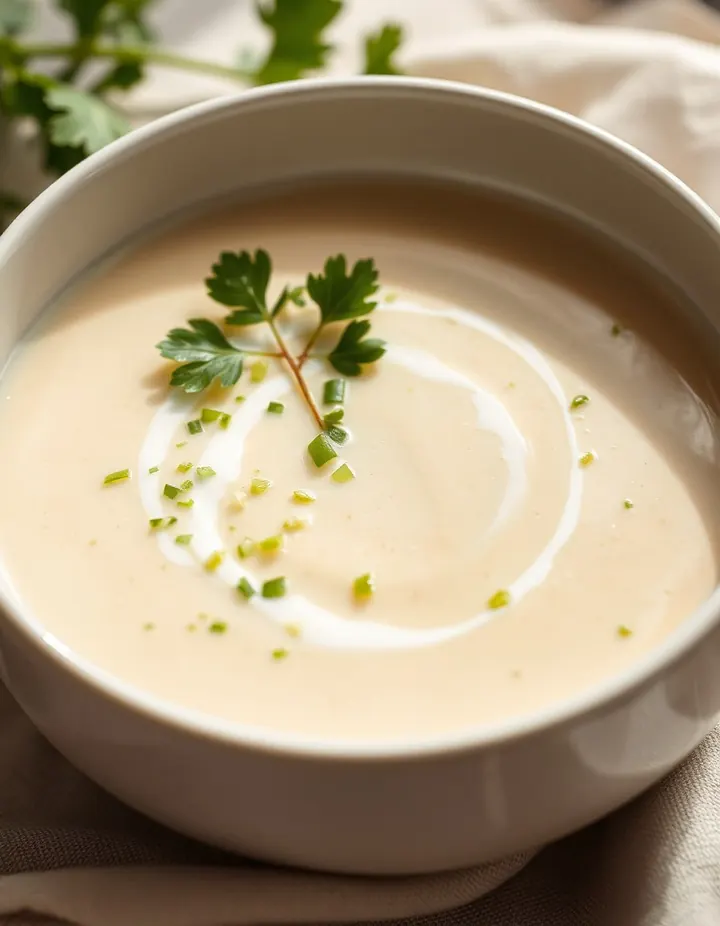 Cream of Celery Soup113 recipes
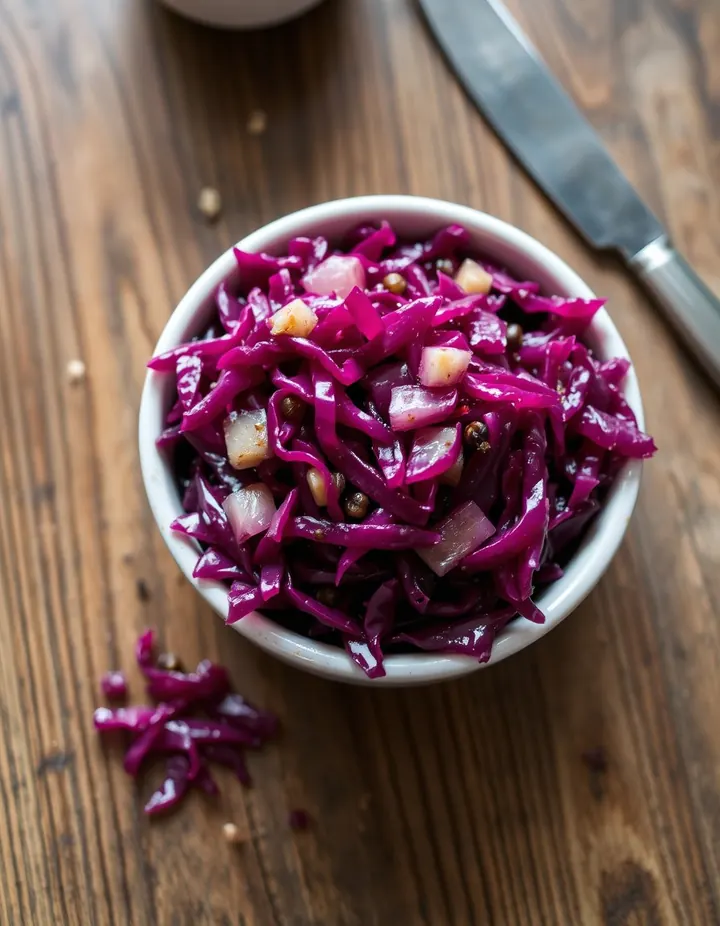 Red Cabbage65 recipes
The free Flavor Lab newsletter: one surprising pairing a week and the molecular reason it works, in 60 seconds. No spam, unsubscribe anytime.
Prefer an account? Create a free account to save pairings and unlock the full chemistry.