Why it works: Wheat and flour are a kitchen classic. They rank in the top 12% of all ingredient pairs, and 4,373 recipes mention both. Both carry isobutyraldehyde, which smells malty, green. The science ↓
To Make Excellent Bread Without Yeast
Ingredients
Directions
Make the batter
Scald the Indian meal in a pot.
Add the coarse sea salt.
Add enough cold water to make it warmer than new milk.
Stir in wheat flour until the mixture is as thick as family pudding.
Set the pot by the fire to rise for about 30 minutes.
If it becomes thin, sprinkle fresh flour on top.
Turn the pot to prevent sticking.
Ferment and shape
After 3 to 4 hours, when it has risen and fermented, make it into a soft dough.
Flour a pan.
Place the dough in it.
Cover it.
Set it before the fire.
Turn it around to warm evenly.
Transcribed from a scanned cookbook and modernised for today's kitchens. Where the book gave no heat or time, or said "a moderate oven", the temperatures and times here may be modern equivalents rather than the book's own figures.
Explore the science
The flavor team
The pairs that carry this dish. Each one is judged two ways: how much aroma chemistry they share, and how many recipes mention both.
-
Wheat + flourtop 12% of all pairsAroma overlapmoderateMentioned together4,373 recipes
Shared aroma: isobutyraldehyde (malty, green).
Ranks compare each pair with 20,000 random ingredient pairs on CompKitchen. How we score pairs
What each ingredient does
- Indian meal
- Forms the main body of the bread and sets its texture as it cooks.
- Wheat flour
- Thickens the mixture and adds body so it can hold its shape as a dough.
The step that matters
Turn the pot to prevent sticking.. Cornmeal mixtures held over heat can scorch and cling to the base of the pot. Turning the pot keeps the heat even and loosens the mixture from the surface.
“What each ingredient does” and “The step that matters” were written by Claude from this recipe’s own method and reviewed in samples by CompKitchen.
You might also like
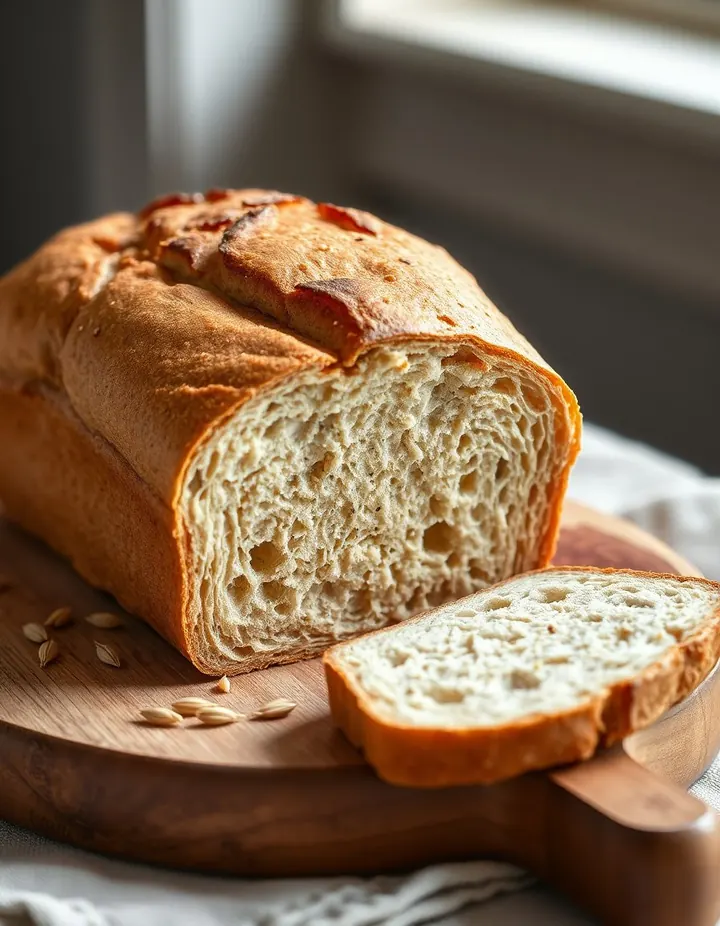 Wheat Bread65 recipes
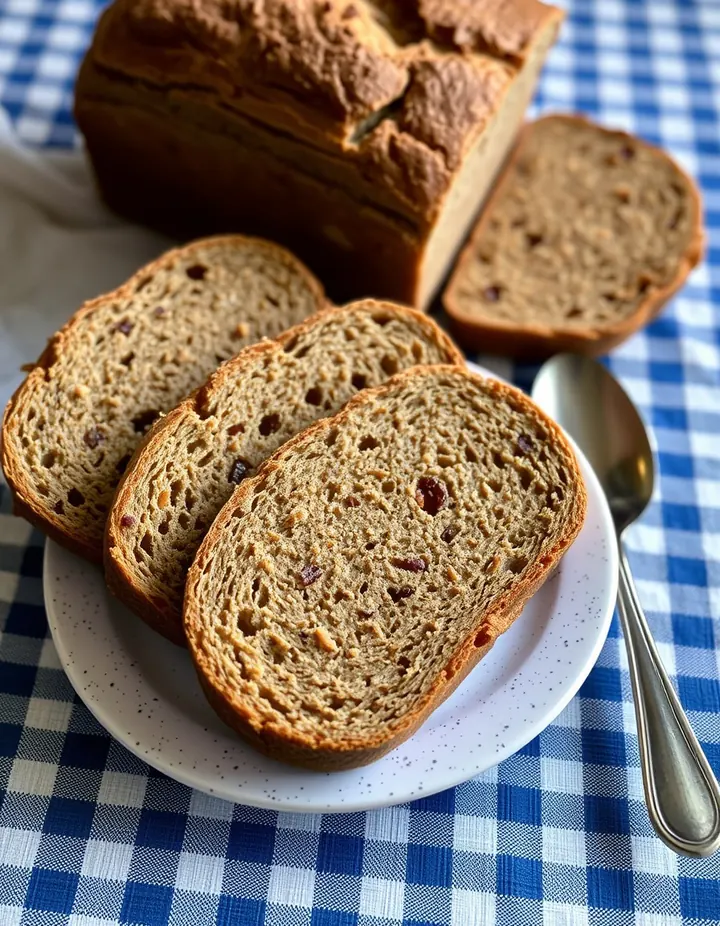 Whole Wheat Bread55 recipes
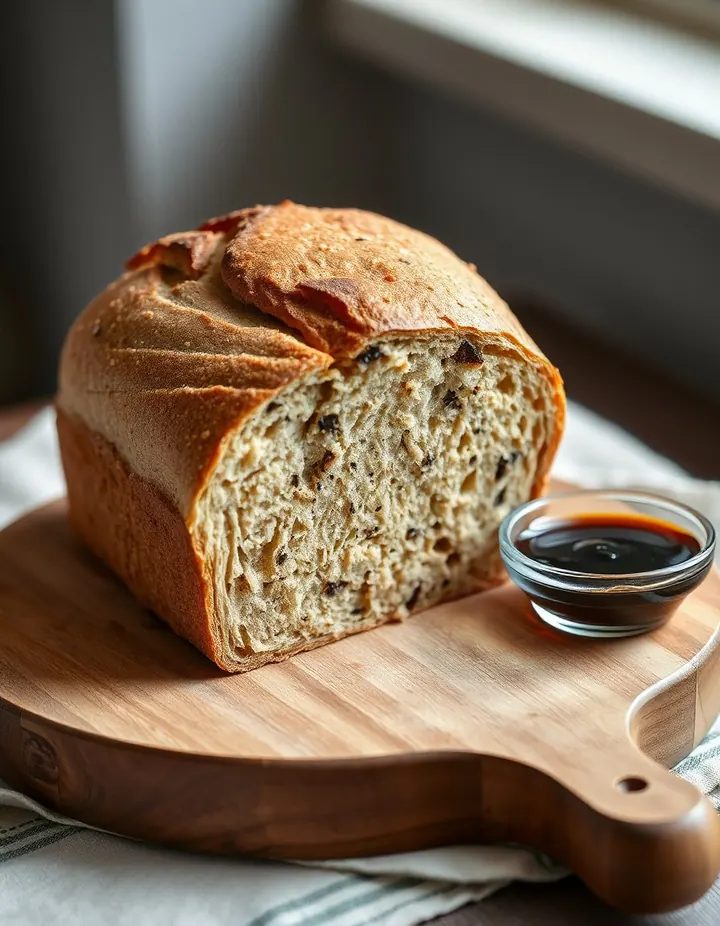 Barley Wheat Bread6 recipes
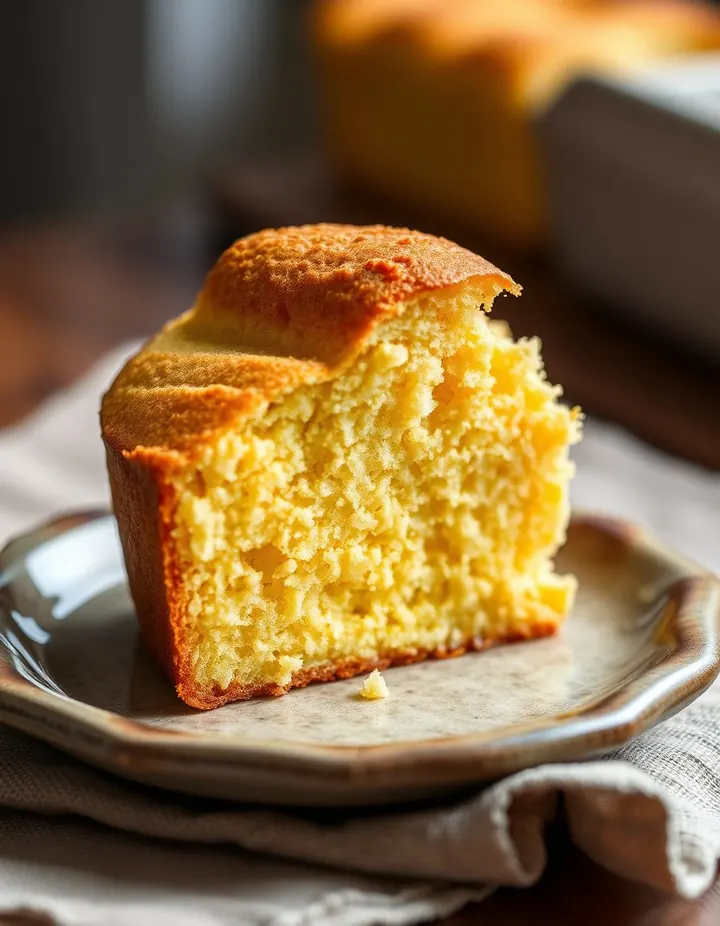 Cornbread345 recipes
The Sunday pairing: one pairing, the chemistry behind it, and how to cook it. No spam, unsubscribe anytime.
Prefer an account? Create a free account for sign-in; Pro adds the full results and chemistry.