Why it works: Pepper and thyme are a kitchen classic. They rank in the top 4% of all ingredient pairs, and cooks put them together in 11,585 recipes. Both carry beta-phellandrene, which smells minty, terpene. The science ↓
Roast Fowl
Ingredients
Directions
The book says “a hot oven”. The 400°F in the steps is the modern equivalent, not the book's own figure.
Prepare the fowl
Remove pin feathers, tendons, and feet from the fowl.
Singe, wash, and remove the crop, oil bag, and entrails.
Stuff the fowl and sew it closed.
Skewer and tie it closed in shape.
Rub the fowl all over with soft butter and dredge with salt, pepper, and flour.
Roast and baste
Place the fowl in a roasting pan on a rack without water in a hot oven (400°F / 200°C).
Baste with ⅓ cup melted butter mixed with 1 cup hot water.
Dredge with flour after basting.
Turn and brown on all sides.
Add more water if needed.
Cover with buttered paper if it browns too fast.
Make the stuffing and gravy
For the stuffing, moisten 1½ cups grated stale bread crumbs with ⅓ cup melted butter, season with salt, pepper, and thyme or sweet marjoram, and add a little water.
For the gravy, stew the giblets until tender and save the liquid.
Thicken the gravy with browned flour, add chopped giblets and butter, and season to taste.
Transcribed from a scanned cookbook and modernised for today's kitchens. Where the book gave no heat or time, or said "a moderate oven", the temperatures and times here may be modern equivalents rather than the book's own figures.
Explore the science
The flavor team
The pairs that carry this dish. Each one is judged two ways: how much their aromas overlap, and how often cooks already put them together.
-
Pepper + thymetop 4% of all pairsSmell alikemoderateCooked together11,585 recipes
Shared aroma: beta-phellandrene (minty, terpene).
-
Butter + breadtop 7% of all pairsSmell alikemoderateCooked together27,232 recipes
Shared aroma: delta-decalactone (sweet, creamy).
-
Butter + flourtop 12% of all pairsSmell alikelowCooked together124,287 recipes
Shared aroma: isobutyraldehyde (malty, green).
-
Flour + thymetop 14% of all pairsSmell alikemoderateCooked together5,721 recipes
Shared aroma: isobutyraldehyde (malty, green).
-
Pepper + breadtop 16% of all pairsSmell alikemoderateCooked together20,964 recipes
Shared aroma: 2-nonenal (fatty, green).
Butter and flour barely smell alike, yet cooks put them together in 124,287 recipes: they work on texture and structure more than aroma.
Ranks compare each pair with 20,000 random ingredient pairs on CompKitchen. How we score pairs
What each ingredient does
- Soft butter
- Coats the skin to promote even browning and adds richness and moisture.
- Flour
- Dredged on the skin to help form a crisp, browned surface.
- Melted butter
- Basting fat that carries flavor and promotes browning of the skin.
- Stale bread crumbs
- Absorb moisture and butter to form a soft, flavorful stuffing.
- Browned flour
- Thickens the gravy and adds a toasted, nutty flavor.
The step that matters
Covering the fowl with buttered paper. The bird browns quickly in a hot oven, and the skin can scorch before the interior cooks through. A buttered paper cover slows surface browning while heat continues to reach the center.
Swap the thyme
How well each one fits the dish's main ingredients (butter, pepper, flour, bread):
- Parsleyfits better
- Nutmegfits about as well
- Sagefits about as well
- Thymethe original
Fit is the average pairing score against butter, pepper, flour, bread. Candidates are from the same food group and used in at least 100 recipes.
“What each ingredient does” and “The step that matters” were written by Claude from this recipe’s own method and reviewed in samples by CompKitchen.
More roast chicken recipes
You might also like
 Brown Bread461 recipes
 White Bread80 recipes
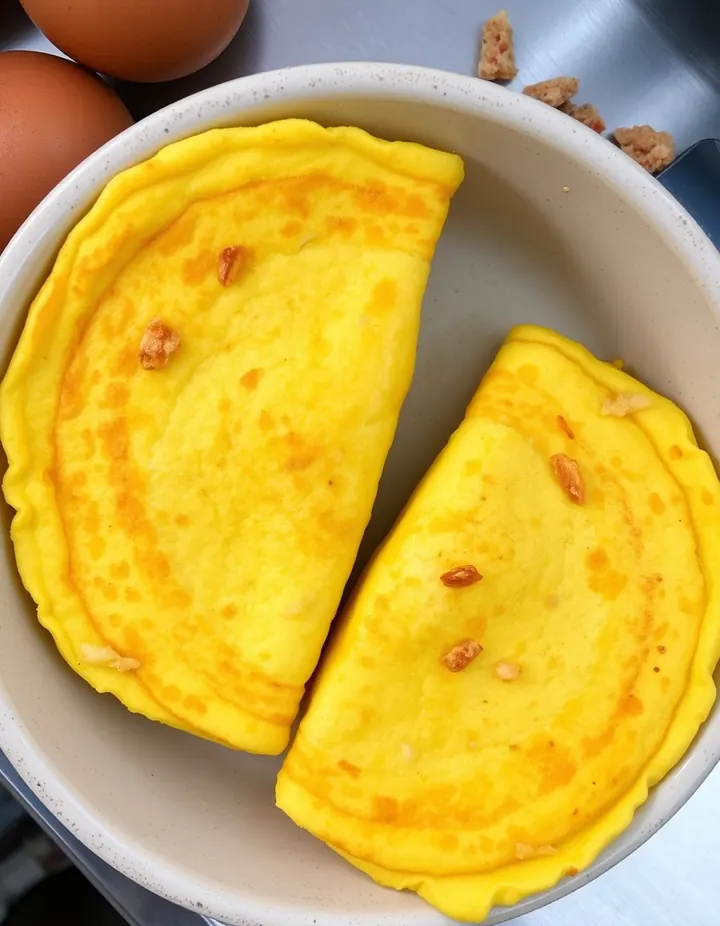 Bread Omelette60 recipes
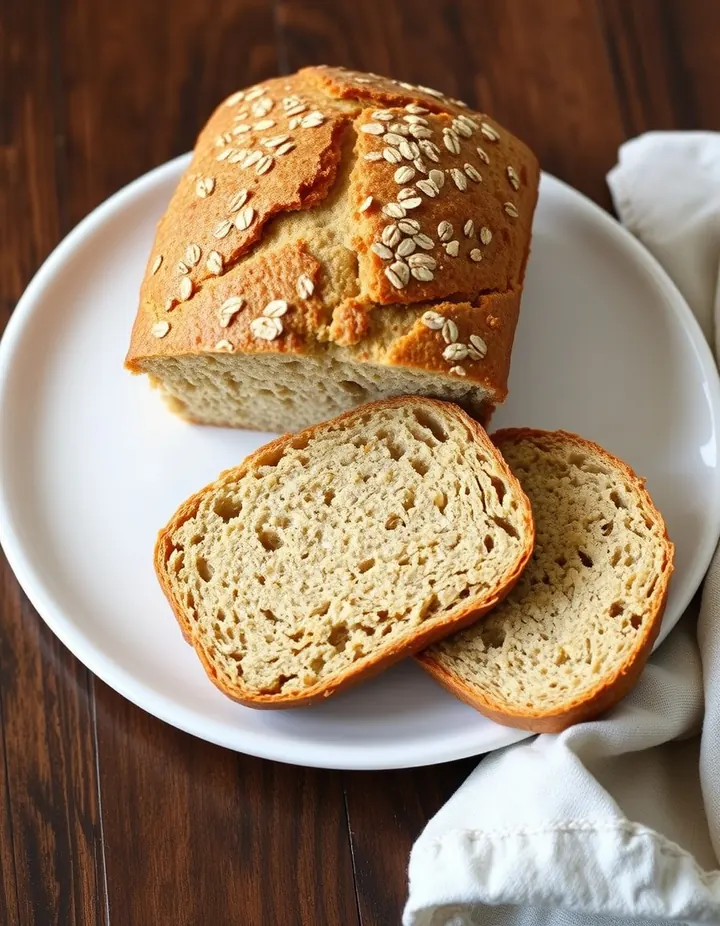 Oatmeal Bread51 recipes
The free Flavor Lab newsletter: one surprising pairing a week and the molecular reason it works, in 60 seconds. No spam, unsubscribe anytime.
Prefer an account? Create a free account to save pairings and unlock the full chemistry.