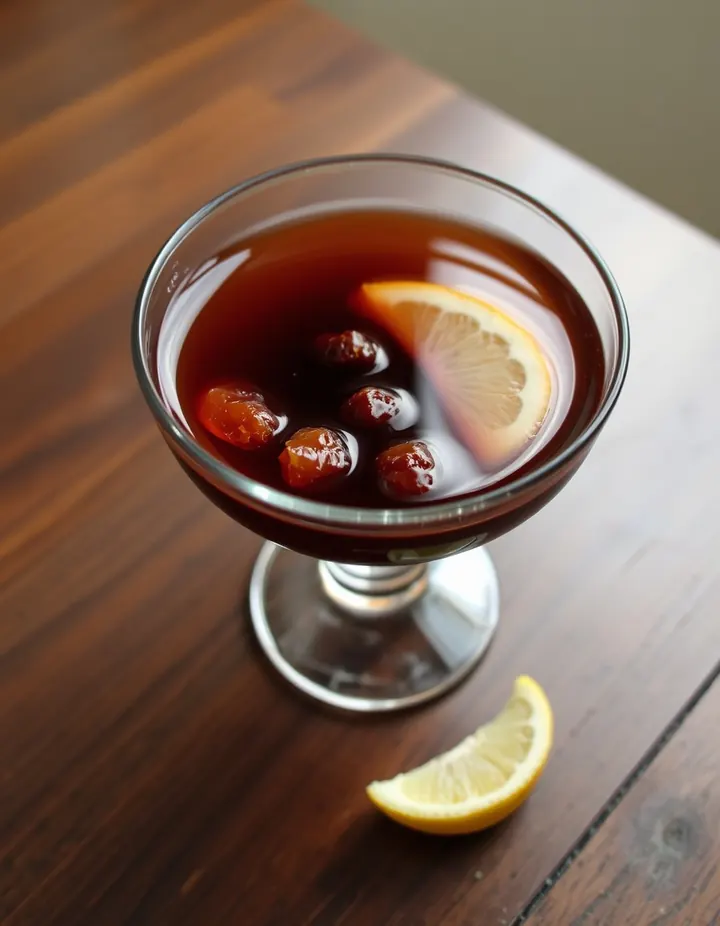
Why it works: Raisin and lemon are a kitchen classic. They rank in the top 14% of all ingredient pairs, and cooks put them together in 3,742 recipes. Both carry decanal, which smells soap, orange peel. The science ↓
Raisin Wine
Ingredients
Directions
Prepare the wine
Chop the raisins and place them in a stone jar.
Add water and cover the jar.
Let it sit in a warm place for 4 to 5 days.
Press the mixture through a coarse cloth, thoroughly extracting the liquid.
Strain the liquid again through a cloth or bag as you would for jelly.
Bottle and store
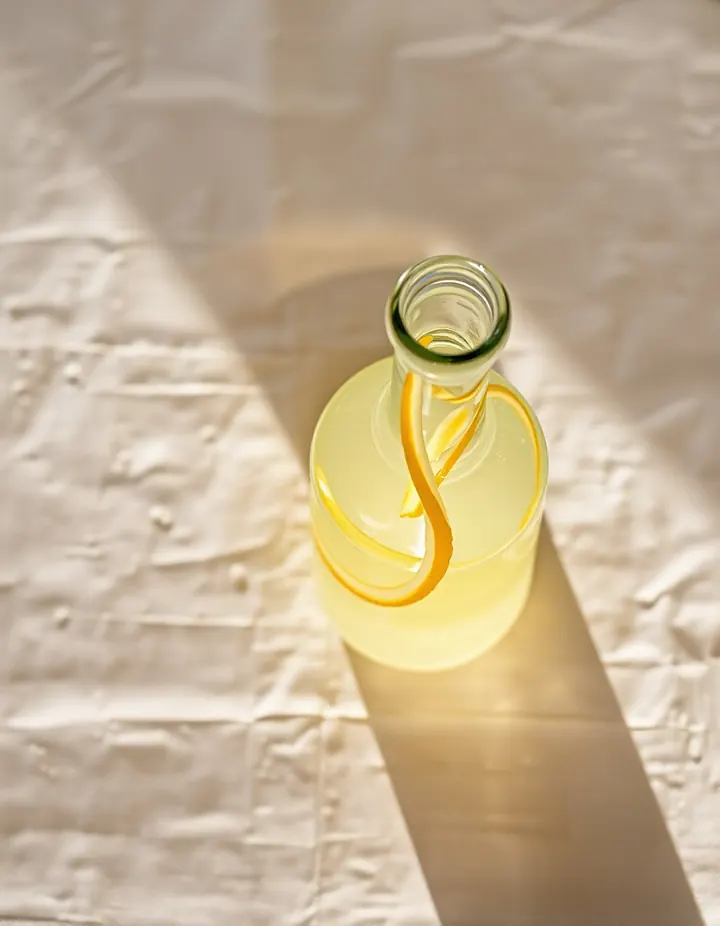
Fill wine bottles with the strained liquid and add a piece of lemon peel to each bottle.
Cork the bottles and store them in a dry, cool place.
Transcribed from a scanned cookbook and modernised for today's kitchens. Where the book gave no heat or time, or said "a moderate oven", the temperatures and times here may be modern equivalents rather than the book's own figures.
Photo for illustrative purposes only · Contact us to use it
Explore the science
The flavor team
The pairs that carry this dish. Each one is judged two ways: how much their aromas overlap, and how often cooks already put them together.
-
Raisin + lemontop 14% of all pairsSmell alikemoderateCooked together3,742 recipes
Shared aroma: decanal (soap, orange peel).
Ranks compare each pair with 20,000 random ingredient pairs on CompKitchen. How we score pairs
What each ingredient does
- Large raisins
- Provide sugar and fruit flavor that ferment into alcohol during the warm rest.
- Water
- Extracts sugars and flavor from the chopped raisins and makes the liquid base.
The step that matters
Letting the mixture sit in a warm place for 4 to 5 days. Warmth lets wild yeasts on the raisins multiply and ferment the sugars into alcohol and carbon dioxide. If it is too cold, fermentation stalls; if the jar is sealed tightly, pressure can build, so keep it covered but not airtight.
“What each ingredient does” and “The step that matters” were written by Claude from this recipe’s own method and reviewed in samples by CompKitchen.
More raisin wine recipes
You might also like
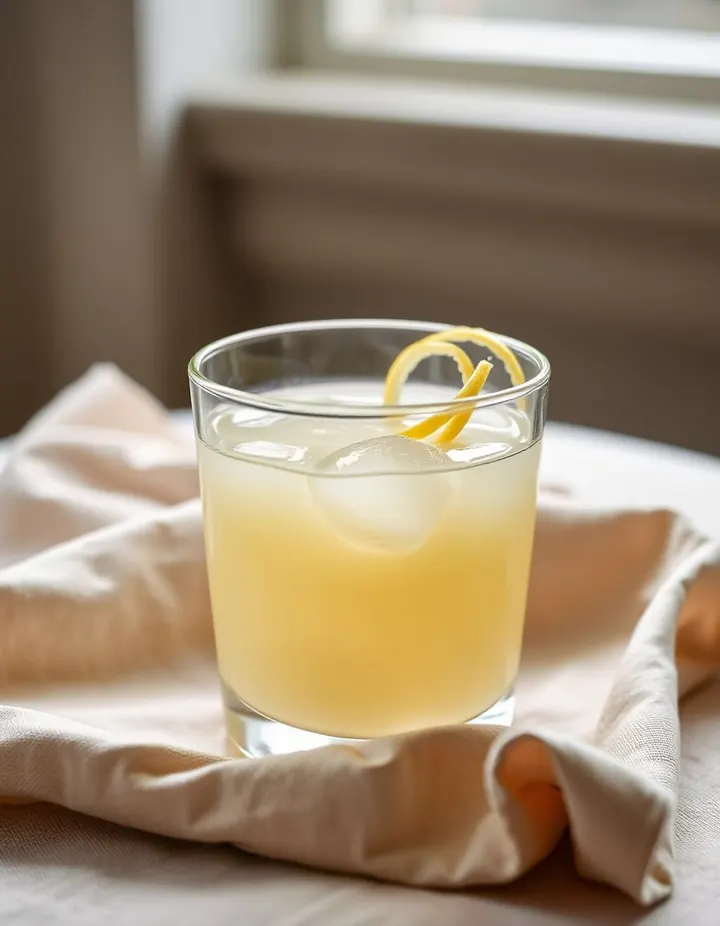 Lemon Whey33 recipes
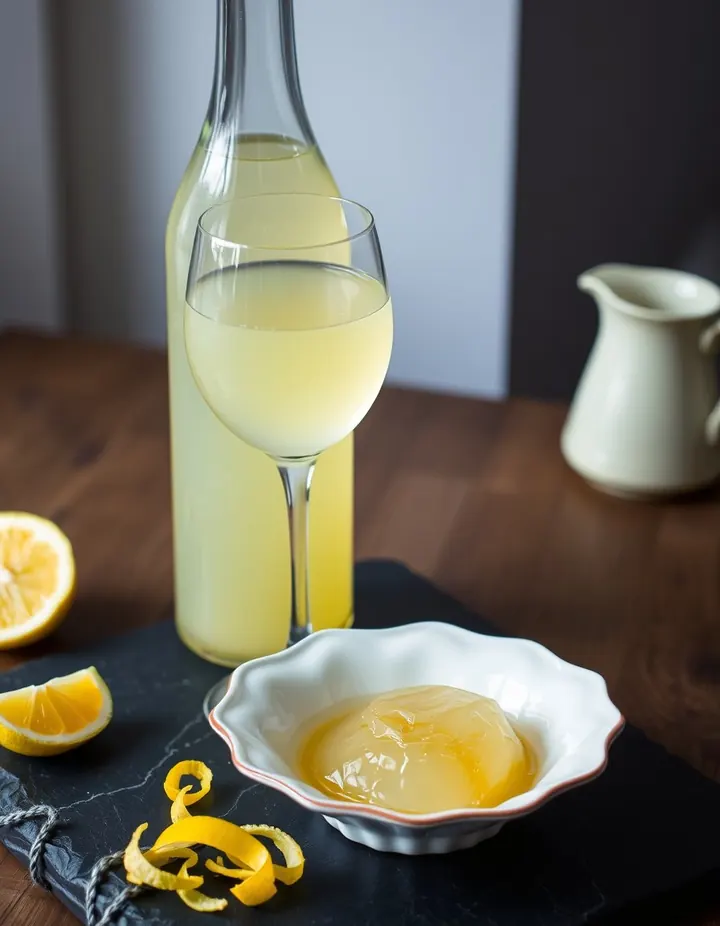 Lemon Wine31 recipes
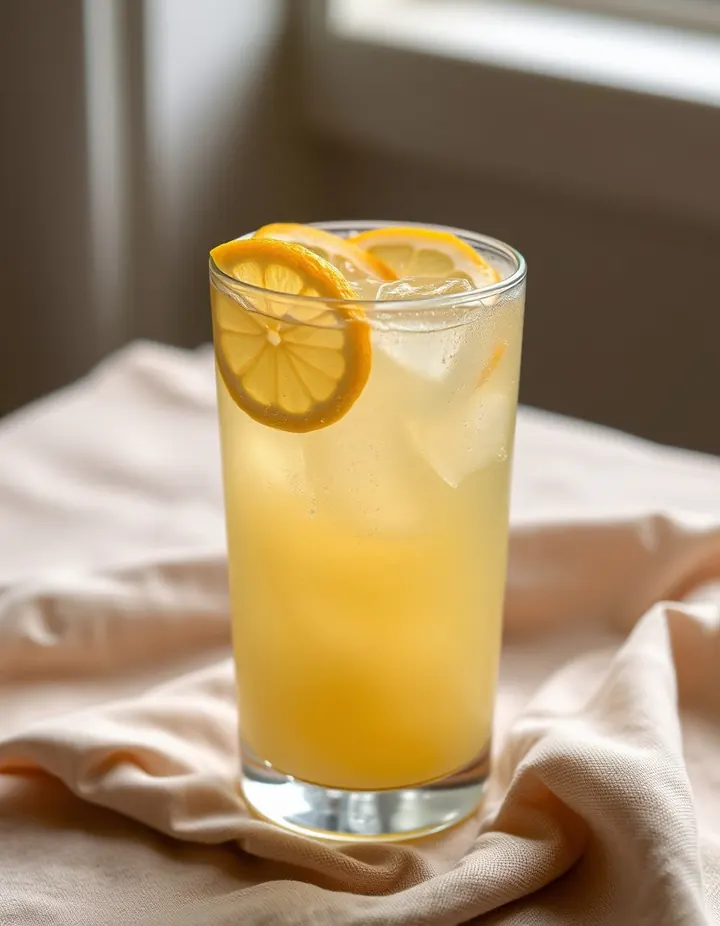 Lemon Squash10 recipes
 Lemon Essence8 recipes
The free Flavor Lab newsletter: one surprising pairing a week and the molecular reason it works, in 60 seconds. No spam, unsubscribe anytime.
Prefer an account? Create a free account to save pairings and unlock the full chemistry.