Why it works: Tarragon and vinegar are a kitchen classic. They rank in the top 7% of all ingredient pairs, and cooks put them together in 2,547 recipes. Both carry isobutyraldehyde, which smells malty, green. The science ↓
Tarragon Vinegar
Ingredients
Directions
Gather young tarragon sprigs and wash them in cold water.
Place the sprigs in a wide-mouthed jug and cover with white wine vinegar.
Macerate for several weeks in a warm place.
Afterward, pour off the vinegar and press juice from the sprigs.
Filter the liquid and bottle it for use.
Transcribed from a scanned cookbook and modernised for today's kitchens. Where the book gave no heat or time, or said "a moderate oven", the temperatures and times here may be modern equivalents rather than the book's own figures.
Explore the science
The flavor team
The pairs that carry this dish. Each one is judged two ways: how much their aromas overlap, and how often cooks already put them together.
-
Tarragon + vinegartop 7% of all pairsSmell alikemoderateCooked together2,547 recipes
Shared aroma: isobutyraldehyde (malty, green).
-
Tarragon + white winetop 10% of all pairsSmell alikemoderateCooked together409 recipes
Shared aroma: ethyl cinnamate (sweet, balsamic).
-
White wine + vinegartop 11% of all pairsSmell alikemoderateCooked together1,776 recipes
Shared aroma: beta-damascenone (apple, rose).
Ranks compare each pair with 20,000 random ingredient pairs on CompKitchen. How we score pairs
You might also like
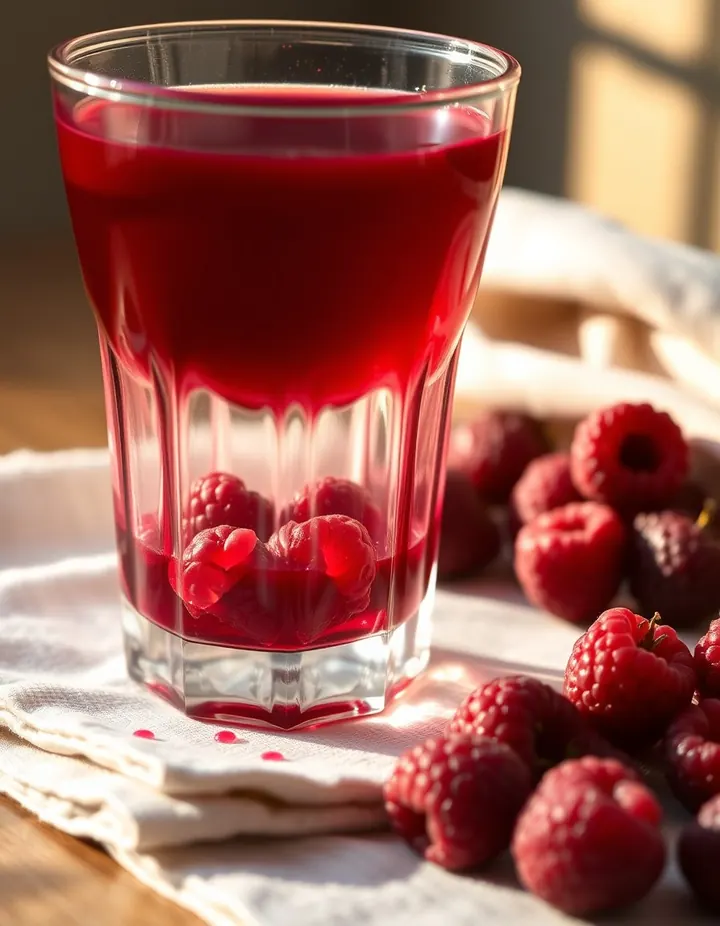 Raspberry Vinegar214 recipes
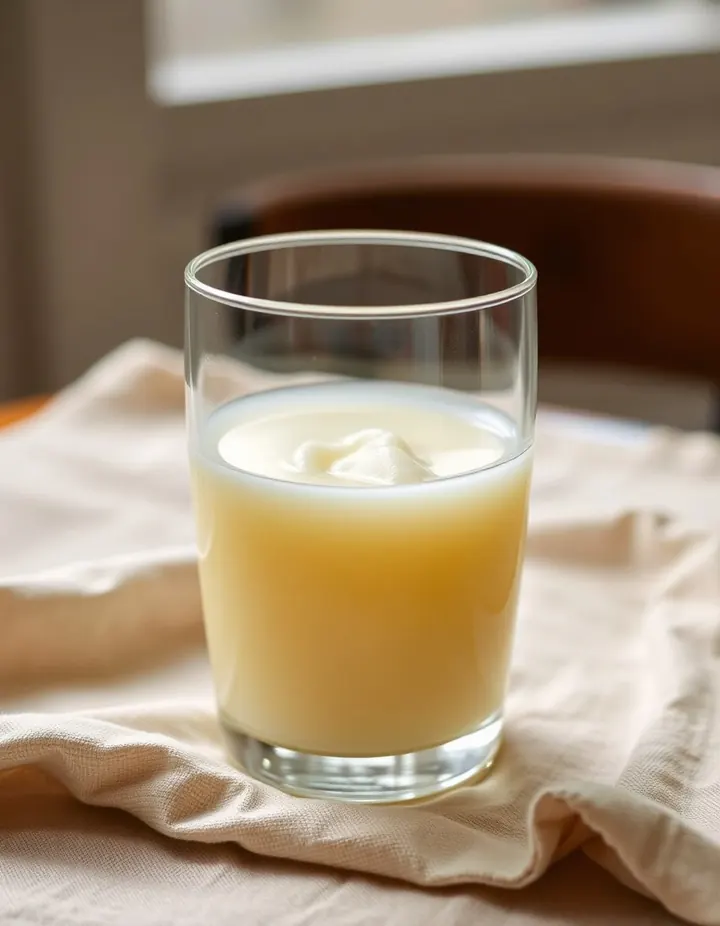 Wine Whey111 recipes
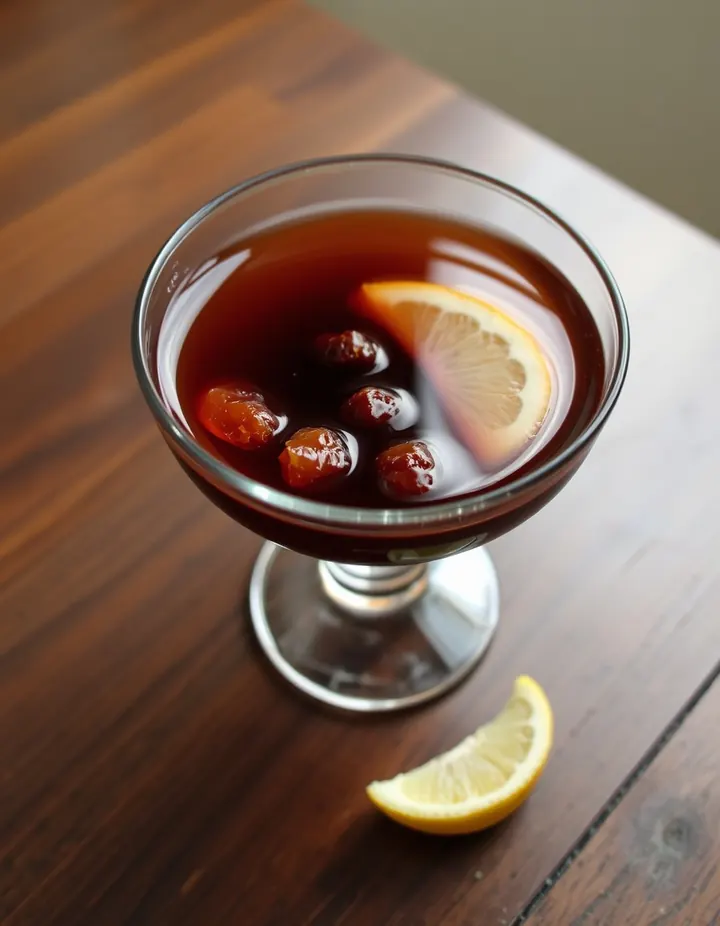 Raisin Wine64 recipes
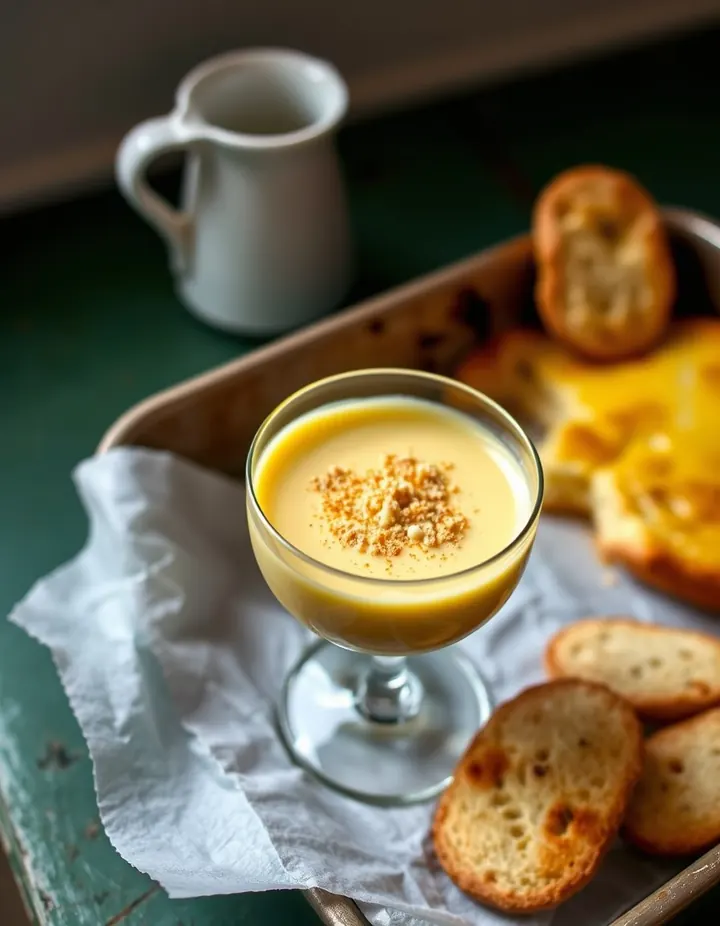 Egg Wine58 recipes
The free Flavor Lab newsletter: one surprising pairing a week and the molecular reason it works, in 60 seconds. No spam, unsubscribe anytime.
Prefer an account? Create a free account to save pairings and unlock the full chemistry.