Why it works: Oyster and egg are a kitchen classic. They rank in the top 14% of all ingredient pairs, and 4,103 recipes mention both. Both carry 2-nonenal, which smells fatty, green. The science ↓
Oyster Soup
Ingredients
Directions
Prepare the oysters
Scald the oysters and strain the liquor.
Combine the oyster liquor with the fleshy part of the oysters.
Make the broth
In a pot, add the broth, oyster beards, gristly parts, mace, and French roll crumbs.
Bring to a boil and strain through a fine cloth.
Finish and serve
Heat the mixture and, five minutes before serving, stir in the egg yolks and cream.
Serve hot.
Transcribed from a scanned cookbook and modernised for today's kitchens. Where the book gave no heat or time, or said "a moderate oven", the temperatures and times here may be modern equivalents rather than the book's own figures.
Explore the science
The flavor team
The pairs that carry this dish. Each one is judged two ways: how much aroma chemistry they share, and how many recipes mention both.
-
Oyster + eggtop 14% of all pairsAroma overlapmoderateMentioned together4,103 recipes
Shared aroma: 2-nonenal (fatty, green).
-
Oyster + creamtop 17% of all pairsAroma overlapmoderateMentioned together2,886 recipes
Shared aroma: 1-octen-3-one (mushroom, metallic).
-
Mace + creamtop 18% of all pairsAroma overlaplowMentioned together4,009 recipes
-
Egg + creamtop 24% of all pairsAroma overlaplowMentioned together42,166 recipes
Shared aroma: acetic acid (sour, vinegar).
-
Oyster + macetop 26% of all pairsAroma overlaplowMentioned together1,910 recipes
Egg and cream share little aroma chemistry, yet 42,166 recipes mention both: they likely work on texture and structure more than aroma.
Ranks compare each pair with 20,000 random ingredient pairs on CompKitchen. How we score pairs
What each ingredient does
- Oysters
- Provide the main flavor of the soup, from both their meat and their liquor.
- Broth
- Forms the liquid base and supplies most of the soup's moisture.
- Egg yolks
- Thicken the soup gently and add richness when heated without boiling.
- Cream
- Adds richness and a smooth, silky mouthfeel to the finished soup.
- French roll crumbs
- Add body and help give the soup a fuller texture as they cook and are strained.
- Mace
- Adds a warm, aromatic spice note that complements the oysters.
The step that matters
Stirring in the egg yolks and cream. Egg yolks thicken through gentle heat and can curdle or scramble if the soup boils after they are added. Keep the soup hot but not boiling, and add them just before serving.
Flavor stand-ins for the mace
How well each one fits the dish's main ingredients (oyster, egg, cream):
- Nutmegbetter flavor fit
- Capersbetter flavor fit
- Tarragonbetter flavor fit
- Macethe original
Fit is the average pairing score against oyster, egg, cream. Candidates are from the same food group and used in at least 100 recipes. This compares flavor only: it does not check the job the ingredient does in the dish (bulk, moisture, acidity, structure).
“What each ingredient does” and “The step that matters” were written by Claude from this recipe’s own method and reviewed in samples by CompKitchen.
More oyster soup recipes
You might also like
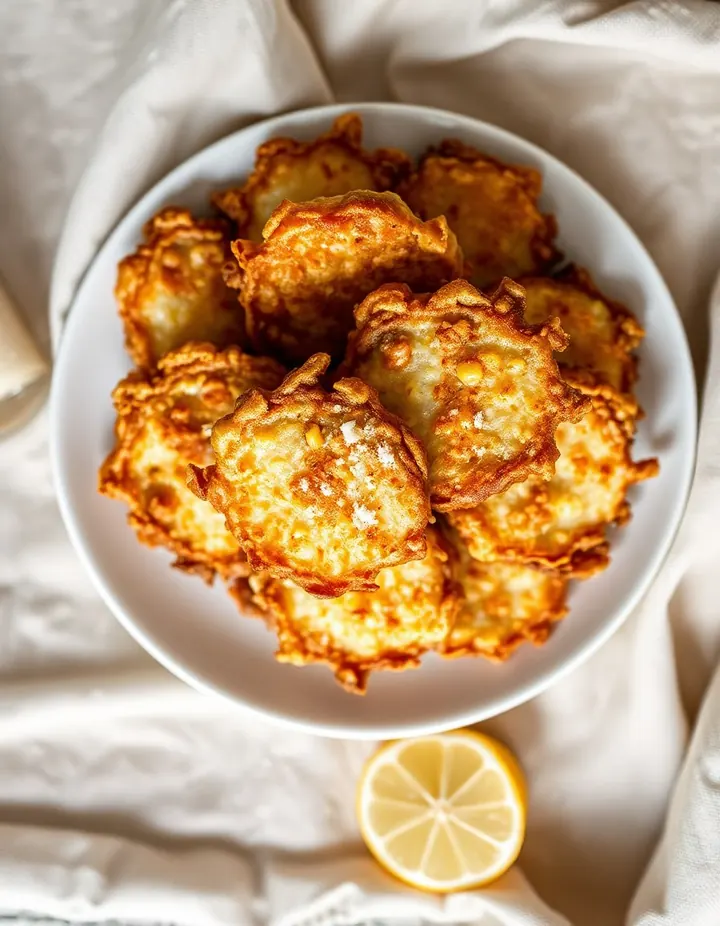 Corn Fritters6 recipes
 Tomato Soup526 recipes
 Brown Bread461 recipes
 Mutton Broth292 recipes
The Sunday pairing: one pairing, the chemistry behind it, and how to cook it. No spam, unsubscribe anytime.
Prefer an account? Create a free account for sign-in; Pro adds the full results and chemistry.