Why it works: Pepper and nutmeg match in chemistry and in kitchens. They rank in the top 7% of all ingredient pairs, and cooks put them together in 13,015 recipes. Both carry 4'-methylacetophenone, which smells bitter almond. The science ↓
Venison and Rabbit Pie
Ingredients
Directions
The book gives no oven temperature. The 300°F (150°C) in the steps was added when the recipe was transcribed, as a starting point.
Make the dough
Make a dough by rubbing 12 ounces of butter into 1 pound of flour.
Add 2 egg yolks, 1 teaspoon of salt, and enough ice water to mix lightly.
Roll out the dough and line a deep pie plate with it.
Prepare the filling
Cut the venison or rabbit meat into small pieces and place in a stew pan with 1 chopped onion.
Add salt, pepper, nutmeg, and enough cold water to cover the meat, then boil until tender.
Meanwhile, heat 1 cup of port wine with a few cloves and blades of mace.
Assemble and bake
Before filling the pie crust, roll some butter in flour and place it over the meat.
Cover with a thick layer of pastry, making a hole in the center of the top crust.
Bake in a 300°F (150°C) oven until nearly done.
When the pie is nearly baked, pour the wine mixture into the pie through the hole using a funnel.
Brush the top of the pie with beaten egg and return to the oven until golden brown.
Transcribed from a scanned cookbook and modernised for today's kitchens. Where the book gave no heat or time, or said "a moderate oven", the temperatures and times here may be modern equivalents rather than the book's own figures.
Explore the science
The flavor team
The pairs that carry this dish. Each one is judged two ways: how much their aromas overlap, and how often cooks already put them together.
-
Pepper + nutmegtop 7% of all pairsSmell alikestrongCooked together13,015 recipes
Shared aroma: 4'-methylacetophenone (bitter almond).
-
Flour + nutmegtop 8% of all pairsSmell alikemoderateCooked together18,623 recipes
Shared aroma: isobutyraldehyde (malty, green).
-
Onion + peppertop 11% of all pairsSmell alikemoderateCooked together68,474 recipes
Shared aroma: 2-isopropyl-3-methoxypyrazine (earthy, pea).
-
Flour + buttertop 12% of all pairsSmell alikelowCooked together124,287 recipes
Shared aroma: isobutyraldehyde (malty, green).
-
Butter + port winetop 13% of all pairsSmell alikemoderateCooked together1,499 recipes
Shared aroma: ethyl octanoate (fruity, wine).
Flour and butter barely smell alike, yet cooks put them together in 124,287 recipes: they work on texture and structure more than aroma.
Ranks compare each pair with 20,000 random ingredient pairs on CompKitchen. How we score pairs
What each ingredient does
- Butter
- Rubbed into flour to create flaky layers and a tender, short pastry.
- All-purpose flour
- Forms the structure of the pastry dough once mixed with liquid.
- Egg yolks
- Add richness and help bind the pastry dough.
- Port wine
- Adds flavor and aroma to the filling after being warmed with spices.
- Venison or rabbit meat
- Forms the main filling, becoming tender after stewing.
- Egg
- Brushed on top to promote browning and a golden finish.
The step that matters
Pouring the wine mixture through the top crust. The wine is added after the pie is nearly baked, so the pastry is firm enough to hold it. Adding it too early can soak the crust and cause it to become soggy.
Swap the onion
How well each one fits the dish's main ingredients (flour, butter, egg, meat, pepper, nutmeg, port wine):
- Shallotfits better
- Capsicumfits better
- Leekfits better
- Onionthe original
Fit is the average pairing score against flour, butter, egg, meat, pepper, nutmeg, port wine. Candidates are from the same food group and used in at least 100 recipes.
“What each ingredient does” and “The step that matters” were written by Claude from this recipe’s own method and reviewed in samples by CompKitchen.
You might also like
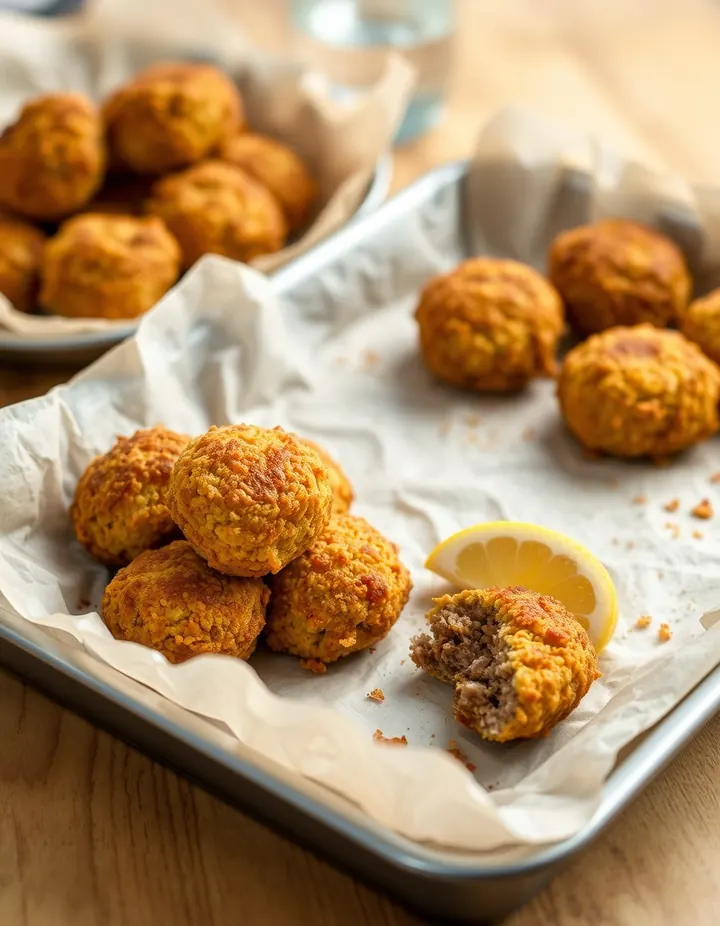 Meat Croquettes52 recipes
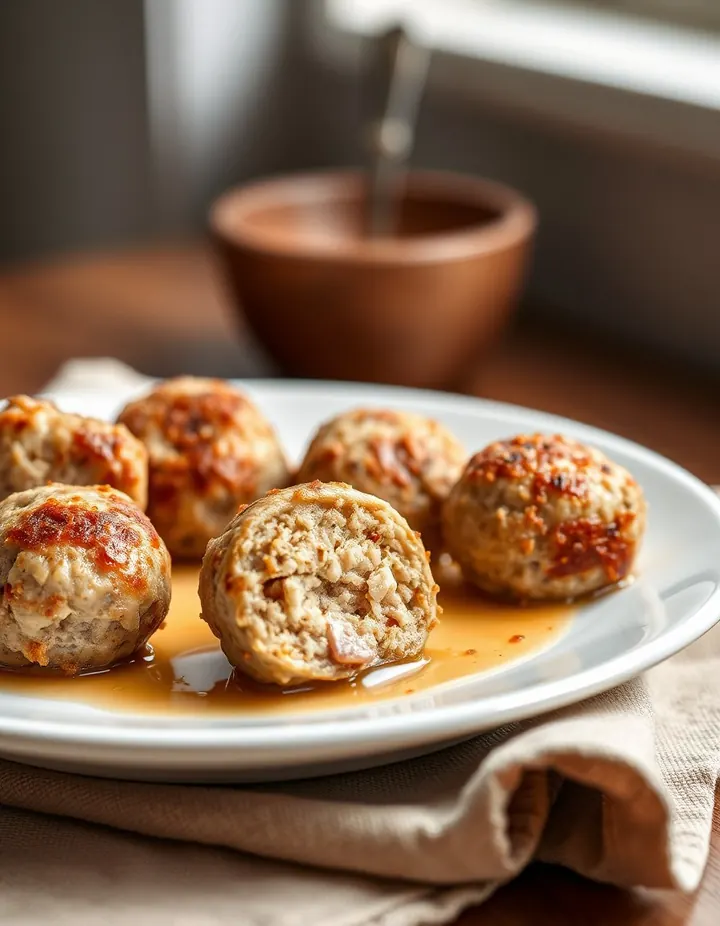 Meatballs37 recipes
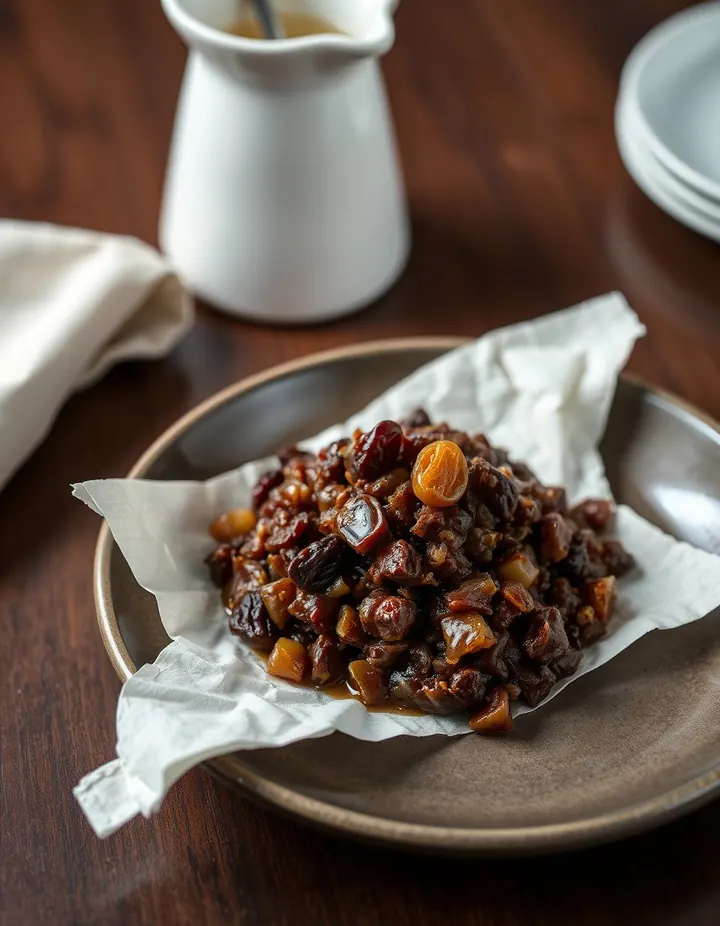 Mince Meat37 recipes
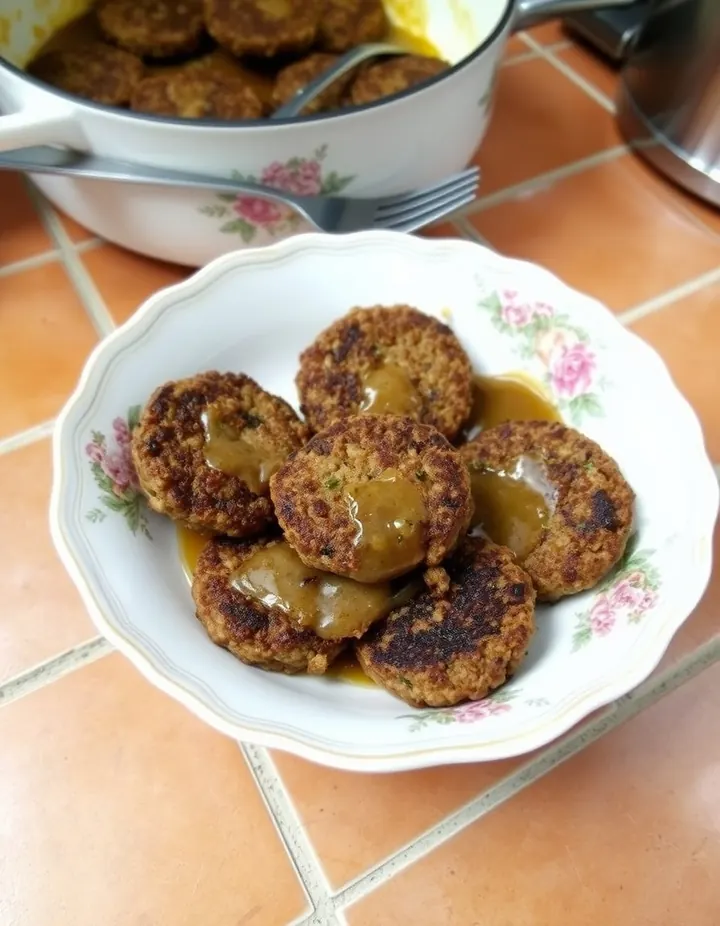 Meat Cakes35 recipes
The free Flavor Lab newsletter: one surprising pairing a week and the molecular reason it works, in 60 seconds. No spam, unsubscribe anytime.
Prefer an account? Create a free account to save pairings and unlock the full chemistry.