Why it works: Cucumber and dill match in chemistry and in kitchens. They rank in the top 1% of all ingredient pairs, and cooks put them together in 530 recipes. Both carry 2-isopropyl-3-methoxypyrazine, which smells earthy, pea. The science ↓
Mother's Dill Pickles
Ingredients
Directions
Prepare the cucumbers
Examine cucumbers and discard any that are soft at the ends.
Soak cucumbers in water overnight.
Drain cucumbers on a clean board and dry with a clean towel.
Make the brine and pack the jar
Dissolve salt in enough cold water to cover cucumbers.
Optionally, add vinegar to the brine.
Layer dill, cucumbers, and whole peppers in a wooden pail or jar, repeating until all ingredients are used.
Cover with a clean white cloth, then place a plate and a stone on top to keep pickles submerged in brine.
Ferment and maintain
Allow pickles to ferment for 5-6 days if cucumbers are small and kept in a warm place.
Check pickles weekly, removing any scum and replacing the cloth.
If pickles are too salty, wash them and store in a weak saltwater solution with a dash of vinegar.
Transcribed from a scanned cookbook and modernised for today's kitchens. Where the book gave no heat or time, or said "a moderate oven", the temperatures and times here may be modern equivalents rather than the book's own figures.
Explore the science
The flavor team
The pairs that carry this dish. Each one is judged two ways: how much their aromas overlap, and how often cooks already put them together.
-
Cucumber + dilltop 1% of all pairsSmell alikestrongCooked together530 recipes
Shared aroma: 2-isopropyl-3-methoxypyrazine (earthy, pea).
-
Dill + peppertop 4% of all pairsSmell alikestrongCooked together1,630 recipes
Shared aroma: 2-isopropyl-3-methoxypyrazine (earthy, pea).
-
Cucumber + vinegartop 8% of all pairsSmell alikemoderateCooked together4,734 recipes
Shared aroma: 2-methylbutyl acetate (fruit).
-
Vinegar + dilltop 11% of all pairsSmell alikemoderateCooked together659 recipes
Shared aroma: isobutyraldehyde (malty, green).
-
Cucumber + peppertop 12% of all pairsSmell alikemoderateCooked together5,991 recipes
Shared aroma: 2-isopropyl-3-methoxypyrazine (earthy, pea).
Ranks compare each pair with 20,000 random ingredient pairs on CompKitchen. How we score pairs
What each ingredient does
- Cucumbers
- Provide the crisp body that is transformed into pickles during fermentation.
- Coarse sea salt
- Draws water out of the cucumbers and keeps harmful microbes in check while fermentation proceeds.
- Vinegar
- Adds acidity that sharpens the flavour of the brine.
- Dill
- Contributes the characteristic aromatic flavour of dill pickles.
The step that matters
Keeping pickles fully submerged in brine. Vegetables exposed to air can grow mould and spoil. A weight over a cloth keeps the cucumbers below the brine surface, where the salty, acidic conditions favour lactic acid fermentation over spoilage microbes.
Swap the cucumber
How well each one fits the dish's main ingredients (vinegar, dill, pepper):
- Mustardfits about as well
- Capsicumfits about as well
- Cucumberthe original
- Cabbagefits about as well
Fit is the average pairing score against vinegar, dill, pepper. Candidates are from the same food group and used in at least 100 recipes.
“What each ingredient does” and “The step that matters” were written by Claude from this recipe’s own method and reviewed in samples by CompKitchen.
You might also like
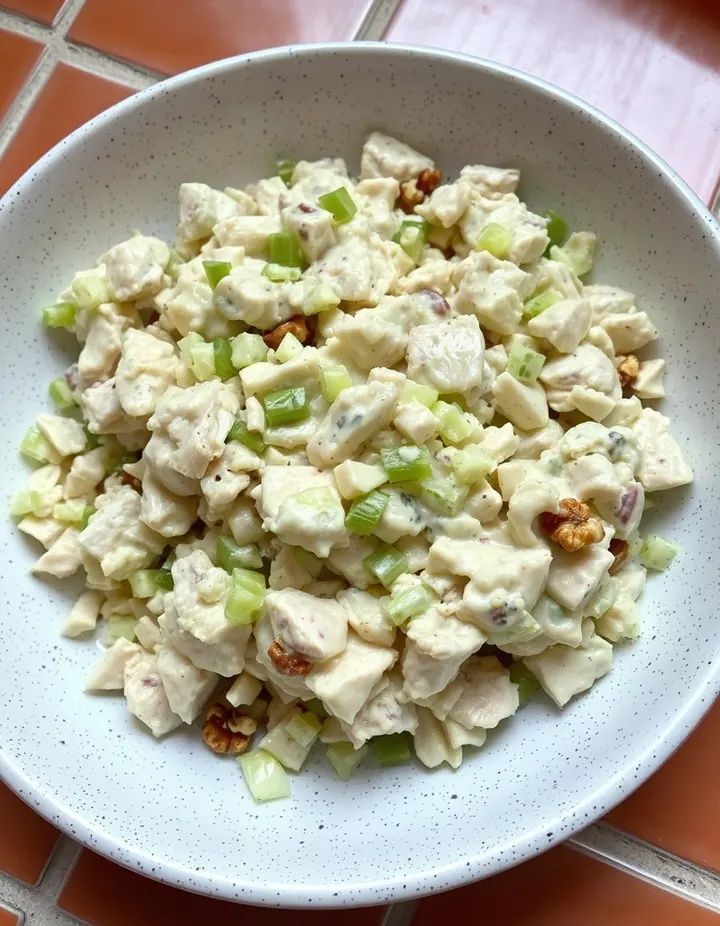 Chicken Salad623 recipes
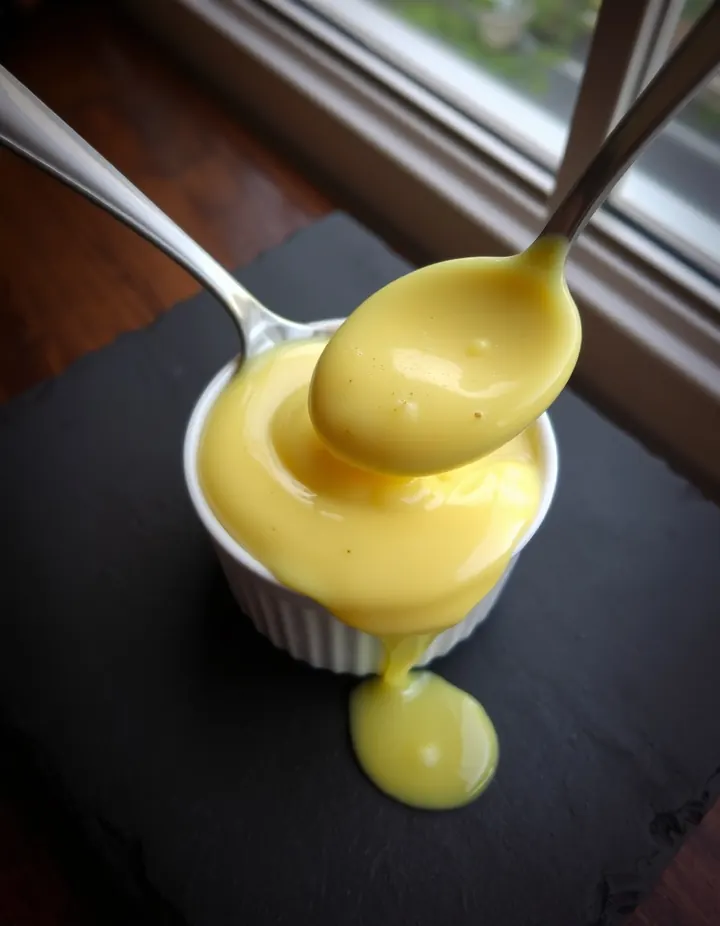 Salad Dressing491 recipes
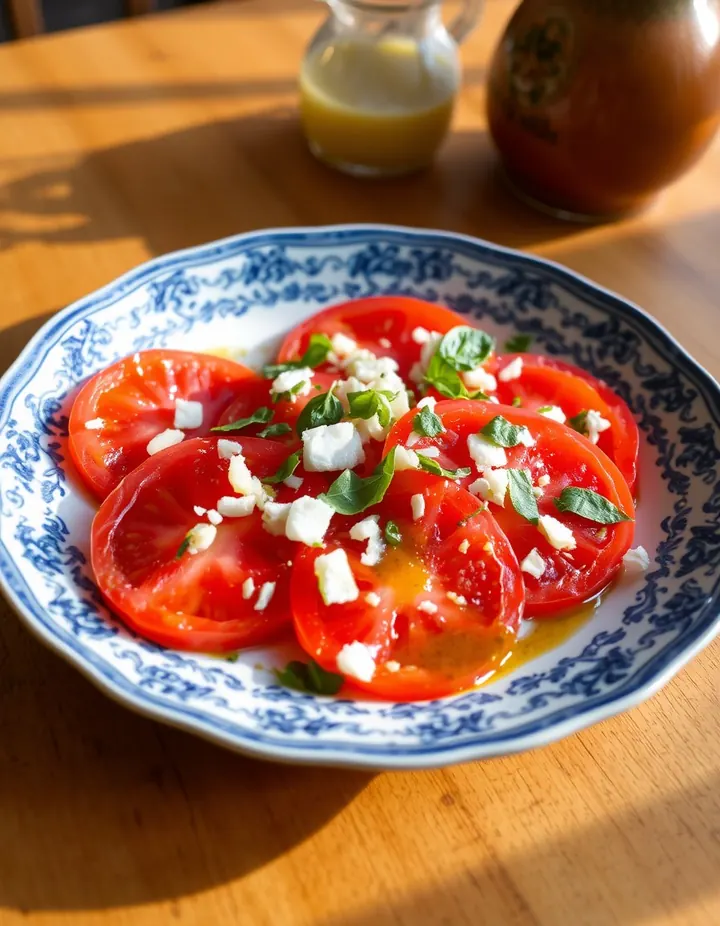 Tomato Salad179 recipes
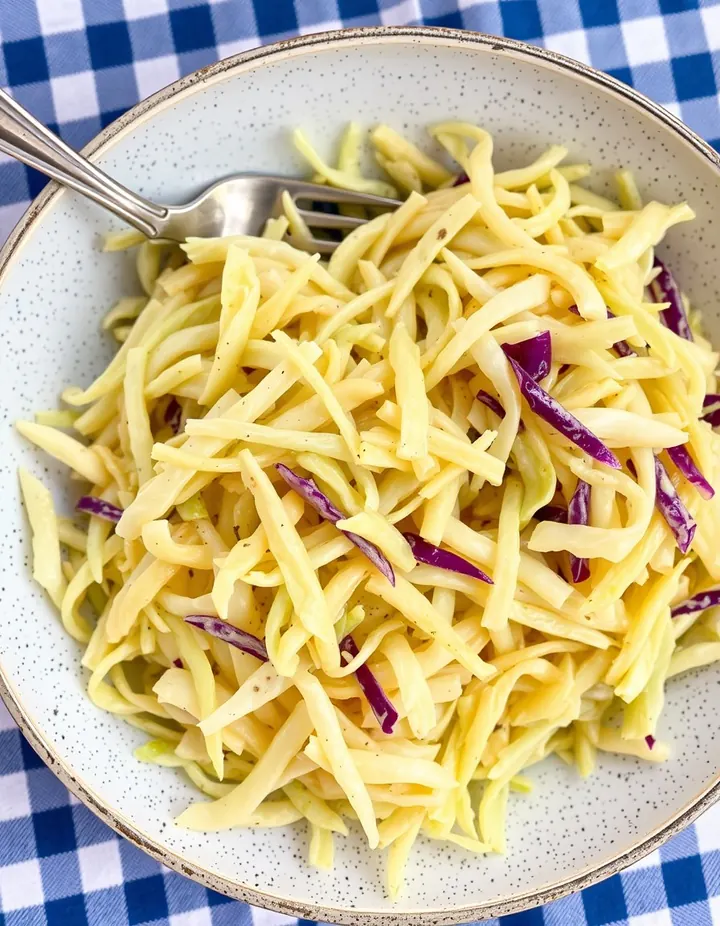 Cold Slaw160 recipes
The free Flavor Lab newsletter: one surprising pairing a week and the molecular reason it works, in 60 seconds. No spam, unsubscribe anytime.
Prefer an account? Create a free account to save pairings and unlock the full chemistry.