Why it works: Corn and molasses work together. They rank in the top 26% of all ingredient pairs, and cooks put them together in 644 recipes. Both carry ethanol, which smells alcoholic, ethereal. The science ↓
Caramel Coffee
Ingredients
Directions
The book gives no oven temperature. The 350°F (175°C) in the steps was added when the recipe was transcribed, as a starting point.
Prepare
Preheat your oven to 350°F (175°C).
In a large bowl, combine the bran and corn meal.
Mix and bake
Add the molasses and boiling water, and mix well.
Transfer the mixture to a baking dish and bake, stirring often until done.
Transcribed from a scanned cookbook and modernised for today's kitchens. Where the book gave no heat or time, or said "a moderate oven", the temperatures and times here may be modern equivalents rather than the book's own figures.
Explore the science
The flavor team
The pairs that carry this dish. Each one is judged two ways: how much their aromas overlap, and how often cooks already put them together.
-
Corn + molassestop 26% of all pairsSmell alikelowCooked together644 recipes
Shared aroma: ethanol (alcoholic, ethereal).
Ranks compare each pair with 20,000 random ingredient pairs on CompKitchen. How we score pairs
What each ingredient does
- Bran
- Provides the bulk of the dry base, giving the bread body and a coarse, hearty texture.
- Corn meal
- Adds structure and a grainy texture to the dry base.
- Molasses
- Adds sweetness and dark color, and moisture that helps the bread brown during baking.
- Boiling water
- Hydrates the bran and corn meal and softens them so the mixture binds together.
The step that matters
Bake, stirring often until done. Stirring during baking breaks up clumps and lets moisture escape evenly, so the bread dries and sets uniformly rather than staying wet in spots or scorching at the edges.
“What each ingredient does” and “The step that matters” were written by Claude from this recipe’s own method and reviewed in samples by CompKitchen.
You might also like
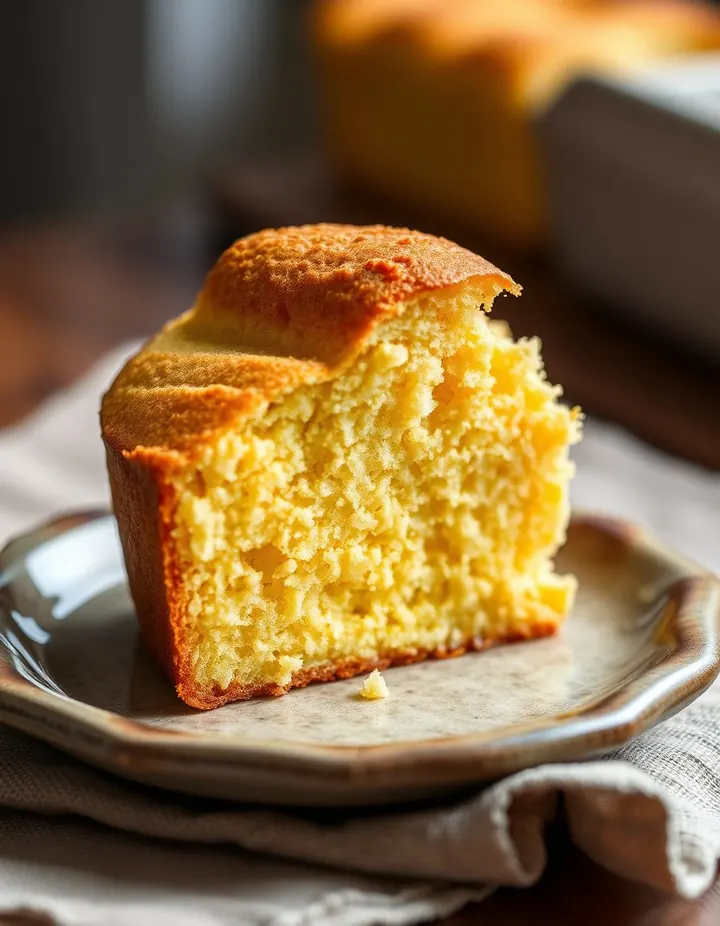 Cornbread345 recipes
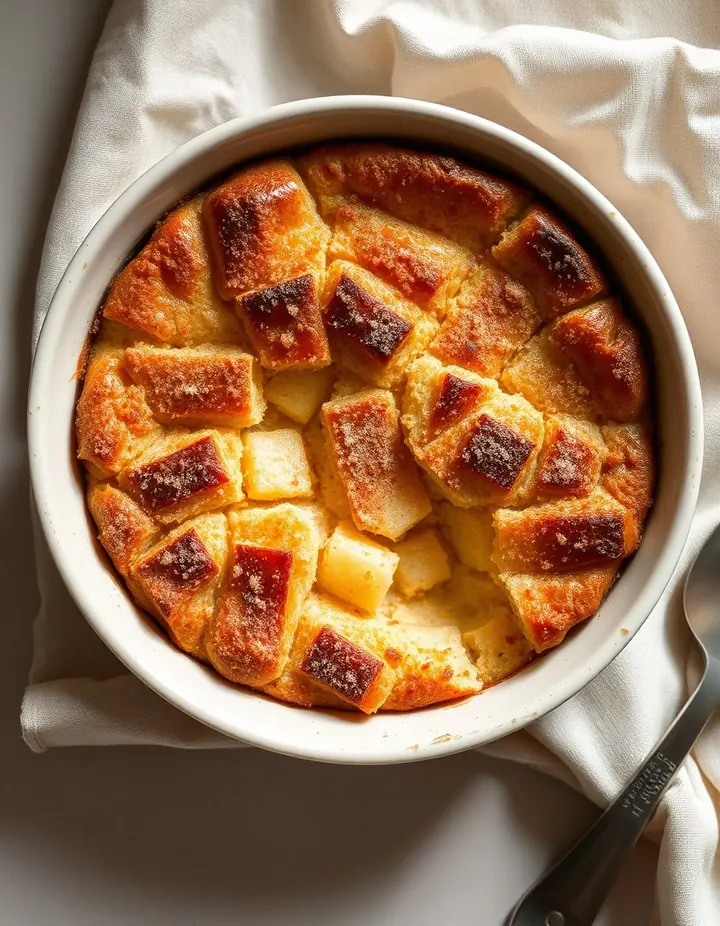 Bread Pudding336 recipes
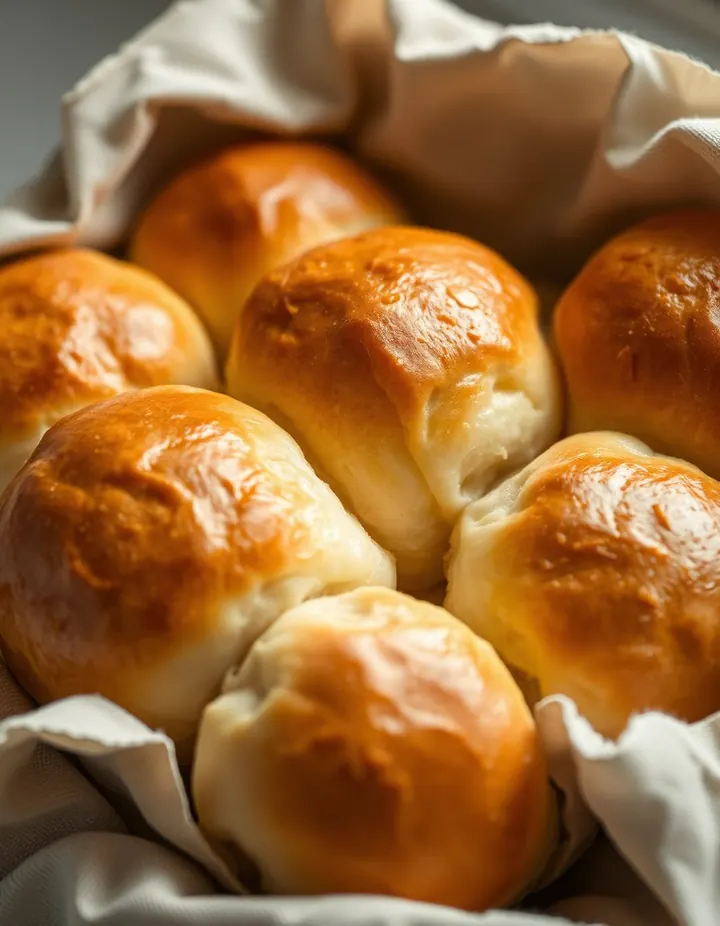 Milk Bread Rolls242 recipes
 Potato Bread124 recipes
The free Flavor Lab newsletter: one surprising pairing a week and the molecular reason it works, in 60 seconds. No spam, unsubscribe anytime.
Prefer an account? Create a free account to save pairings and unlock the full chemistry.