Why it works: Sage and rosemary match in chemistry and in kitchens. They rank in the top 1% of all ingredient pairs, and 465 recipes mention both. Both carry 1,8-cineol, which smells eucalyptus, camphor. The science ↓
The recipe
Ingredients
Directions
Infuse a handful of the leaves in boiling water for 10 to 15 minutes.
Decant the liquid in the usual manner.
Sweeten with sugar if desired.
Transcribed from a scanned cookbook and modernised for today's kitchens. Where the book gave no heat or time, or said "a moderate oven", the temperatures and times here may be modern equivalents rather than the book's own figures.
Explore the science
The flavor team
The pairs that carry this dish. Each one is judged two ways: how much aroma chemistry they share, and how many recipes mention both.
-
Sage + rosemarytop 1% of all pairsAroma overlapstrongMentioned together465 recipes
Shared aroma: 1,8-cineol (eucalyptus, camphor).
-
Rosemary + sugartop 25% of all pairsAroma overlaplowMentioned together568 recipes
Shared aroma: beta-damascenone (apple, rose).
-
Sage + sugartop 28% of all pairsAroma overlaplowMentioned together538 recipes
Shared aroma: 1-penten-3-one (fish, pungent).
Ranks compare each pair with 20,000 random ingredient pairs on CompKitchen. How we score pairs
What each ingredient does
- Sage leaves
- Provides the main aromatic flavour of the tea.
- Balm leaves
- Adds a light, lemony aroma to the infusion.
- Rosemary leaves
- Contributes a resinous, piney aroma to the infusion.
“What each ingredient does” and “The step that matters” were written by Claude from this recipe’s own method and reviewed in samples by CompKitchen.
You might also like
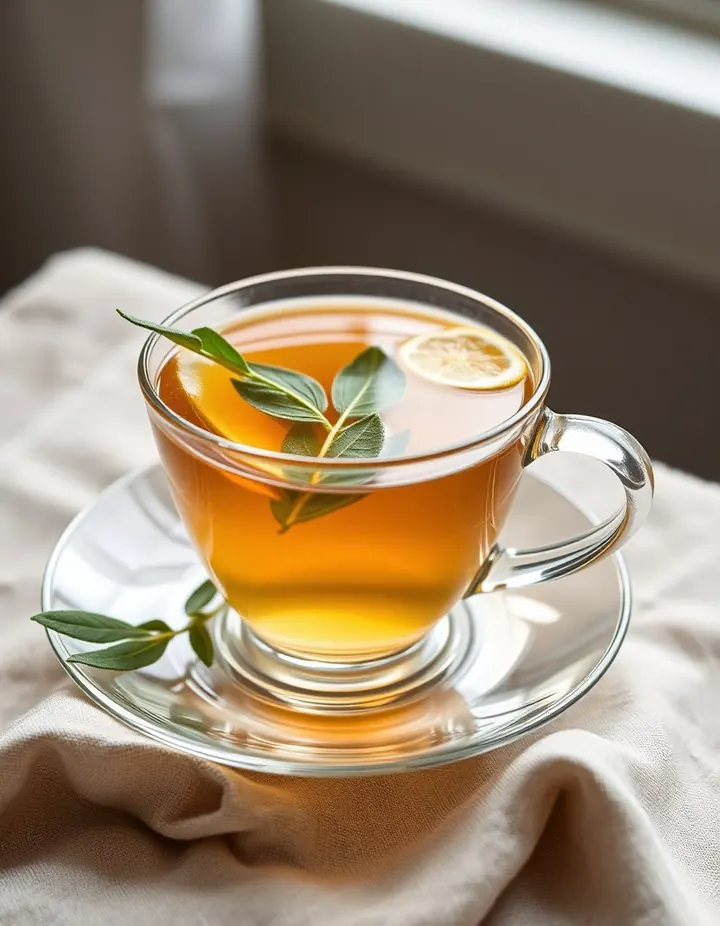 Sage Tea7 recipes
 Vegetable Soup350 recipes
 Raspberry Vinegar214 recipes
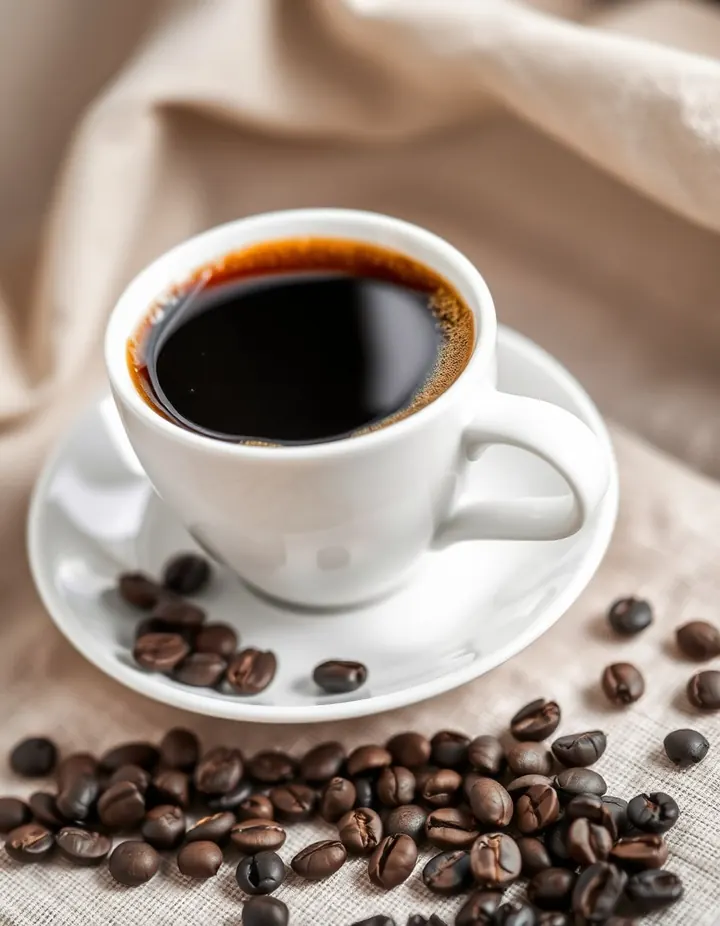 Brown Coffee with Egg175 recipes
The Sunday pairing: one pairing, the chemistry behind it, and how to cook it. No spam, unsubscribe anytime.
Prefer an account? Create a free account for sign-in; Pro adds the full results and chemistry.