Why it works: Onion and mustard match in chemistry and in kitchens. They rank in the top 6% of all ingredient pairs, and cooks put them together in 9,259 recipes. Both carry 2-isopropyl-3-methoxypyrazine, which smells earthy, pea. The science ↓
Roman Pie
Ingredients
Directions
The book says “a moderate oven”. The 350°F (175°C) in the steps is the modern equivalent, not the book's own figure.
Make the crust
Preheat the oven to 350°F (175°C).
Work the butter into the flour.
Add enough cold water to mix.
Roll out into a thin piece of dough.
Butter a dish that holds about 4 cups and dust with crushed vermicelli.
Line the bottom and sides of the dish with the dough.
Wet the edges to seal.
Reserve a round piece of dough for the top.
Prepare the filling
Break the macaroni into 1-inch pieces.
Cook in boiling salted water for 15 minutes.
Drain.
Boil the onion separately for 15 minutes.
Drain the onion.
Chop the onion.
Slice the cooked rabbit or chicken.
Combine it with the grated cheese, cooked macaroni, and chopped onion in a bowl.
Add salt, pepper, mustard, and cream to the mixture.
Mix well.
Bake and serve
Pour the filling into the prepared dish.
Wet the edges of the dough.
Place the reserved round piece on top.
Bake in the oven for about 30 minutes until the pastry is cooked.
Turn out the pie.
Serve with brown gravy.
Transcribed from a scanned cookbook and modernised for today's kitchens. Where the book gave no heat or time, or said "a moderate oven", the temperatures and times here may be modern equivalents rather than the book's own figures.
Explore the science
The flavor team
The pairs that carry this dish. Each one is judged two ways: how much their aromas overlap, and how often cooks already put them together.
-
Onion + mustardtop 6% of all pairsSmell alikestrongCooked together9,259 recipes
Shared aroma: 2-isopropyl-3-methoxypyrazine (earthy, pea).
-
Butter + creamtop 8% of all pairsSmell alikemoderateCooked together41,516 recipes
Shared aroma: delta-dodecalactone (sweet, creamy).
-
Butter + cheesetop 8% of all pairsSmell alikemoderateCooked together7,962 recipes
Shared aroma: delta-dodecalactone (sweet, creamy).
-
Pepper + mustardtop 9% of all pairsSmell alikemoderateCooked together15,430 recipes
Shared aroma: 2-isopropyl-3-methoxypyrazine (earthy, pea).
-
Rabbit + mustardtop 9% of all pairsSmell alikemoderateCooked together56 recipes
Shared aroma: geraniol (rose, geranium).
Ranks compare each pair with 20,000 random ingredient pairs on CompKitchen. How we score pairs
What each ingredient does
- Flour
- Forms the dough that holds the pie together and encloses the filling.
- Butter
- Adds fat that tenderizes the pastry and adds richness.
- Grated cheese
- Melts into the filling, adding richness and savoury flavour that binds the mixture.
- Cream
- Adds moisture and richness, helping the filling set softly as it bakes.
- Macaroni
- Provides bulk and body to the filling, giving it a substantial texture.
- Cooked rabbit or chicken
- Supplies the main protein and savoury meaty flavour of the filling.
The step that matters
Wet the edges to seal. Water helps the dough edges stick together so the filling stays sealed inside the pastry while baking.
Swap the onion
How well each one fits the dish's main ingredients (flour, butter, cheese, rabbit, pepper, mustard, cream):
- Shallotfits better
- Chivefits better
- Spinachfits about as well
- Onionthe original
Fit is the average pairing score against flour, butter, cheese, rabbit, pepper, mustard, cream. Candidates are from the same food group and used in at least 100 recipes.
“What each ingredient does” and “The step that matters” were written by Claude from this recipe’s own method and reviewed in samples by CompKitchen.
You might also like
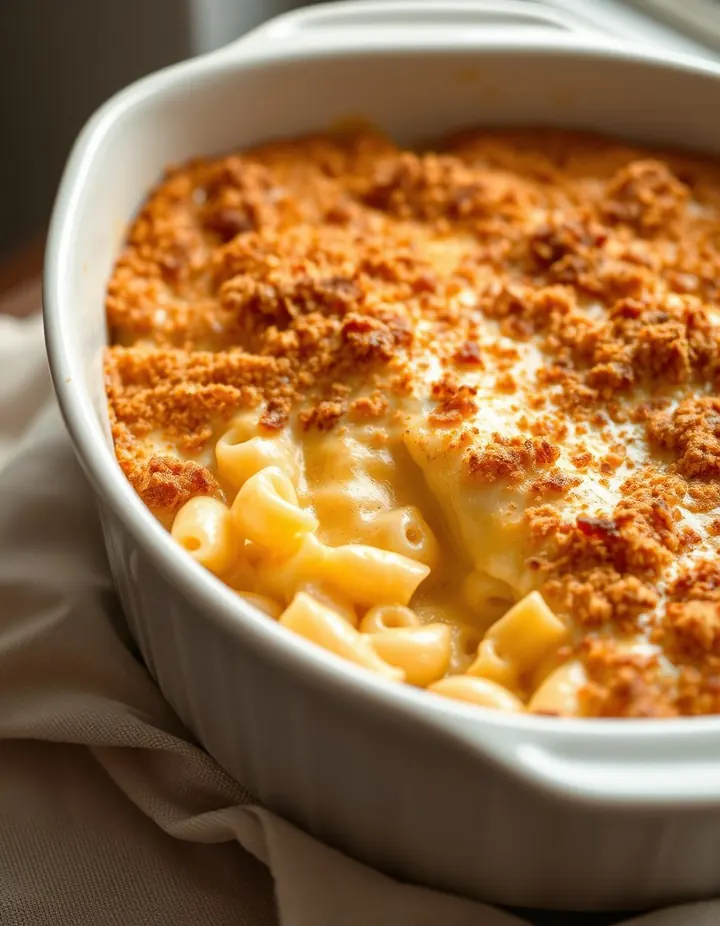 Macaroni and Cheese102 recipes
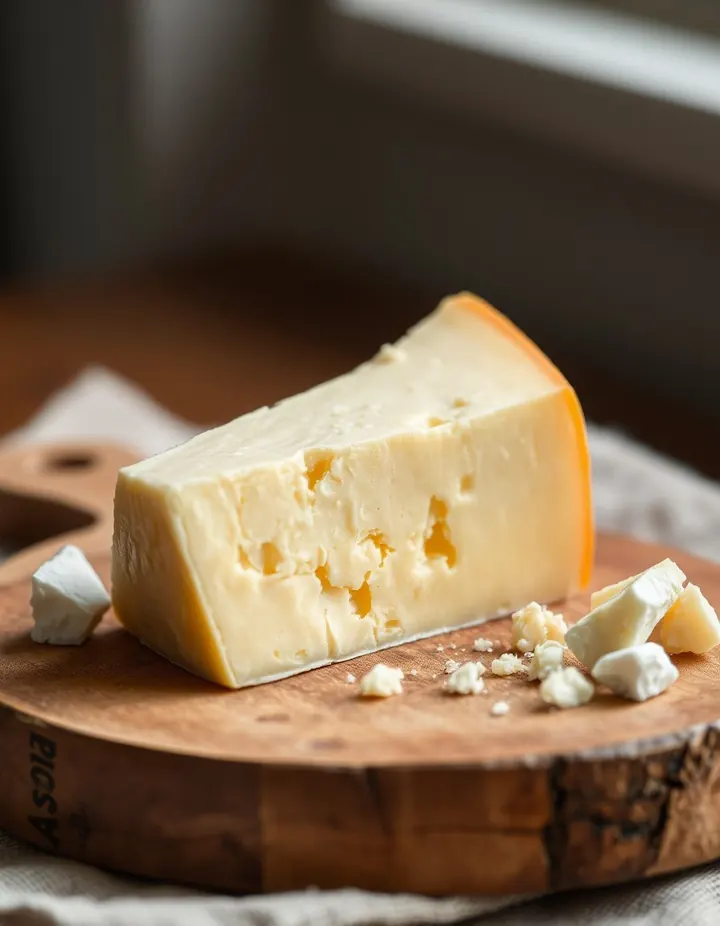 Cheese Making50 recipes
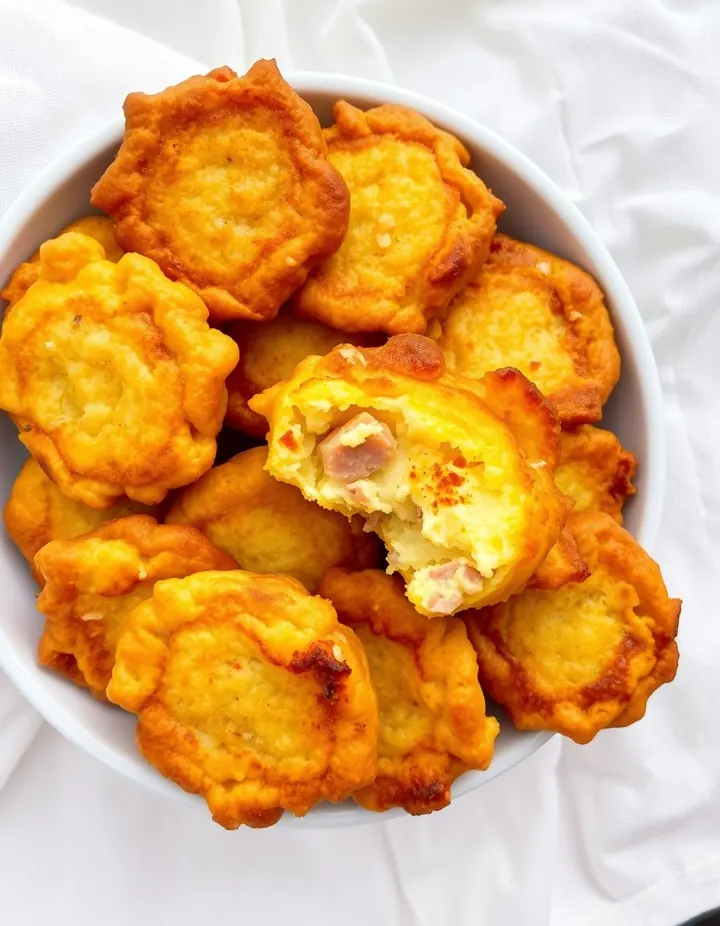 Cheese Fritters34 recipes
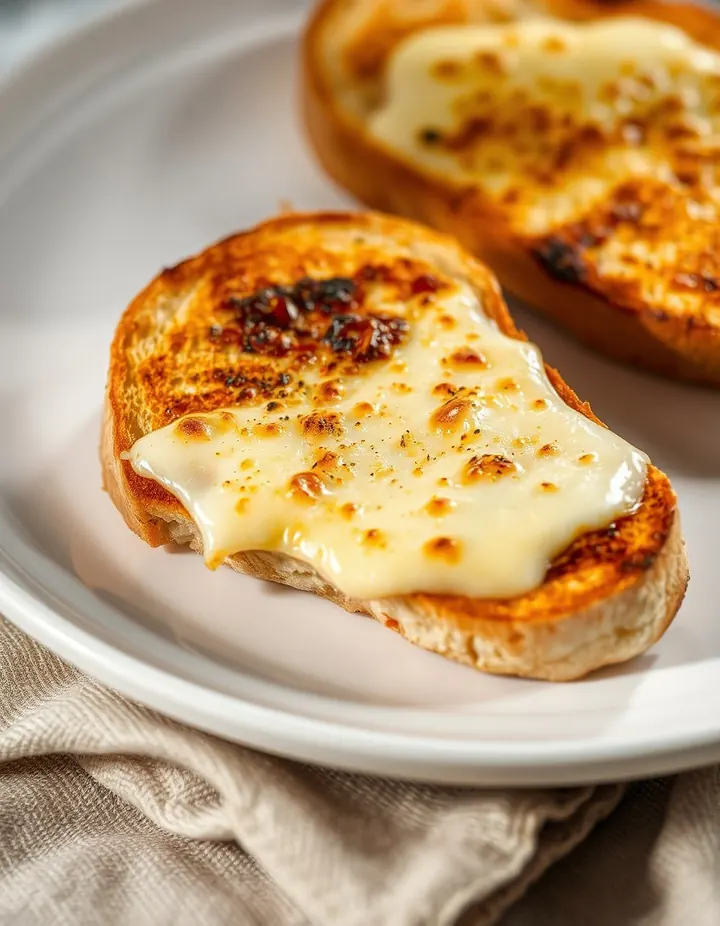 Cheese Omelette31 recipes
The free Flavor Lab newsletter: one surprising pairing a week and the molecular reason it works, in 60 seconds. No spam, unsubscribe anytime.
Prefer an account? Create a free account to save pairings and unlock the full chemistry.