Why it works: Currant and brandy are a kitchen classic. They rank in the top 7% of all ingredient pairs, and cooks put them together in 3,057 recipes. Both carry ethyl cinnamate, which smells sweet, balsamic. The science ↓
Currant or Gooseberry Wine Without Boiling
Ingredients
Directions
Prepare the juice
Bruise the fruit and mix with 25 quarts of water. Stir well and let it stand for 12 hours.
Strain the mixture through a coarse canvas bag or hair sieve.
Add 56 pounds of sugar to the strained liquid and stir well.
Put the pulp into 1 gallon of water, stir, and let it stand for 12 hours.
Strain the pulp mixture into the previous liquid.
Ferment
Cover the tub with a sack and wait for fermentation to begin, which should take 1-2 days.
When a thick yeasty froth forms, skim it off onto a sieve.
Return any liquid that runs through the sieve back to the wine.
Continue skimming for several days until no more yeast forms.
Cask and finish
Transfer the wine into a cask, reserving a small quantity to top up as needed.
When fermentation slows and no more yeast rises, mix 1 quart of brandy with 1 pound of honey and pour it into the cask.
Seal the bung-hole with stiff brown paper and check weekly, replacing the paper if it bursts.
Transcribed from a scanned cookbook and modernised for today's kitchens. Where the book gave no heat or time, or said "a moderate oven", the temperatures and times here may be modern equivalents rather than the book's own figures.
Explore the science
The flavor team
The pairs that carry this dish. Each one is judged two ways: how much their aromas overlap, and how often cooks already put them together.
-
Currant + brandytop 7% of all pairsSmell alikelowCooked together3,057 recipes
Shared aroma: ethyl cinnamate (sweet, balsamic).
-
Brandy + honeytop 16% of all pairsSmell alikemoderateCooked together169 recipes
Shared aroma: ethyl benzoate (sweet).
-
Sugar + brandytop 19% of all pairsSmell alikelowCooked together11,939 recipes
Shared aroma: beta-damascenone (apple, rose).
-
Currant + honeytop 22% of all pairsSmell alikelowCooked together57 recipes
Shared aroma: isoamyl acetate (banana, pear).
-
Sugar + honeytop 22% of all pairsSmell alikelowCooked together2,932 recipes
Shared aroma: beta-damascenone (apple, rose).
Sugar and brandy barely smell alike, yet cooks put them together in 11,939 recipes: they work on texture and structure more than aroma.
Ranks compare each pair with 20,000 random ingredient pairs on CompKitchen. How we score pairs
What each ingredient does
- Currants or gooseberries
- Provide the fruit juice and pulp that supply the flavour and the sugar for fermentation.
- Sugar
- Feeds the yeast during fermentation, producing alcohol and carbon dioxide.
- Brandy
- Added at the end to raise the alcohol content and stabilise the finished wine.
- Honey
- Adds sweetness and body to the finished wine.
The step that matters
Adding brandy and honey after fermentation slows. Adding spirit while yeast is still active can halt fermentation too early, leaving the wine sweeter and less stable. Waiting until yeast stops rising lets fermentation finish before the brandy and honey are added.
Swap the currant
How well each one fits the dish's main ingredients (sugar, brandy, honey):
- Vanillafits better
- Figfits better
- Apricotfits better
- Currantthe original
Fit is the average pairing score against sugar, brandy, honey. Candidates are from the same food group and used in at least 100 recipes.
“What each ingredient does” and “The step that matters” were written by Claude from this recipe’s own method and reviewed in samples by CompKitchen.
More currant wine recipes
You might also like
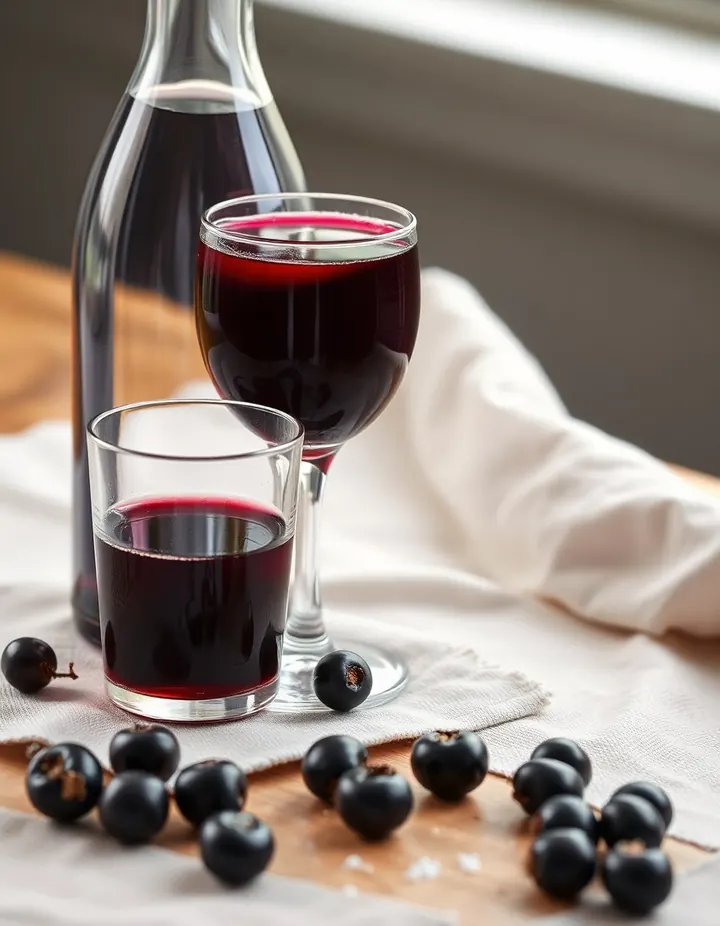 Black Currant Cordial11 recipes
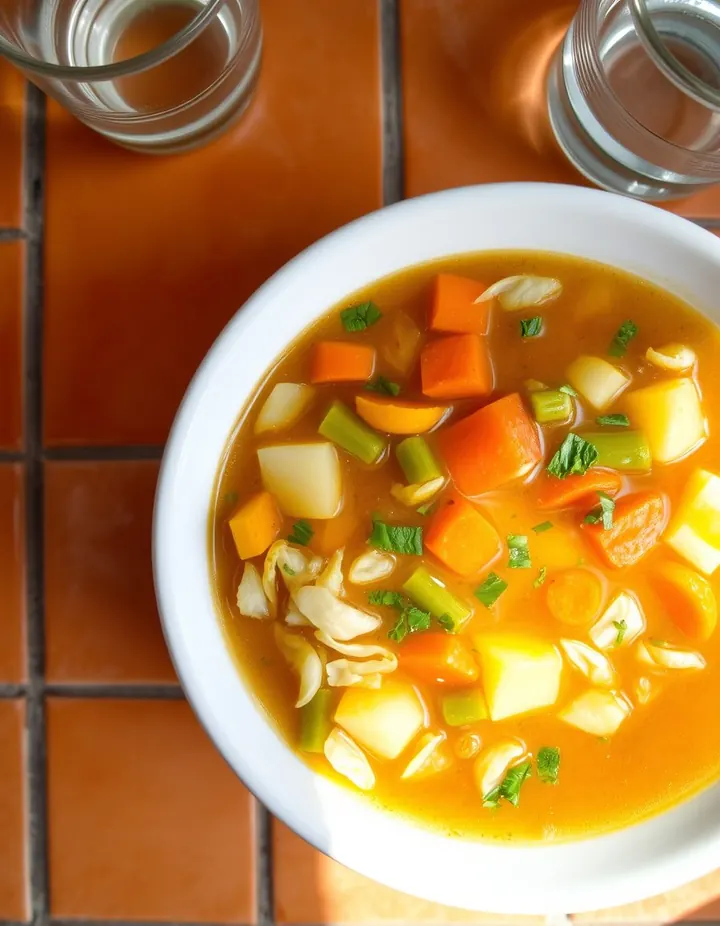 Vegetable Soup350 recipes
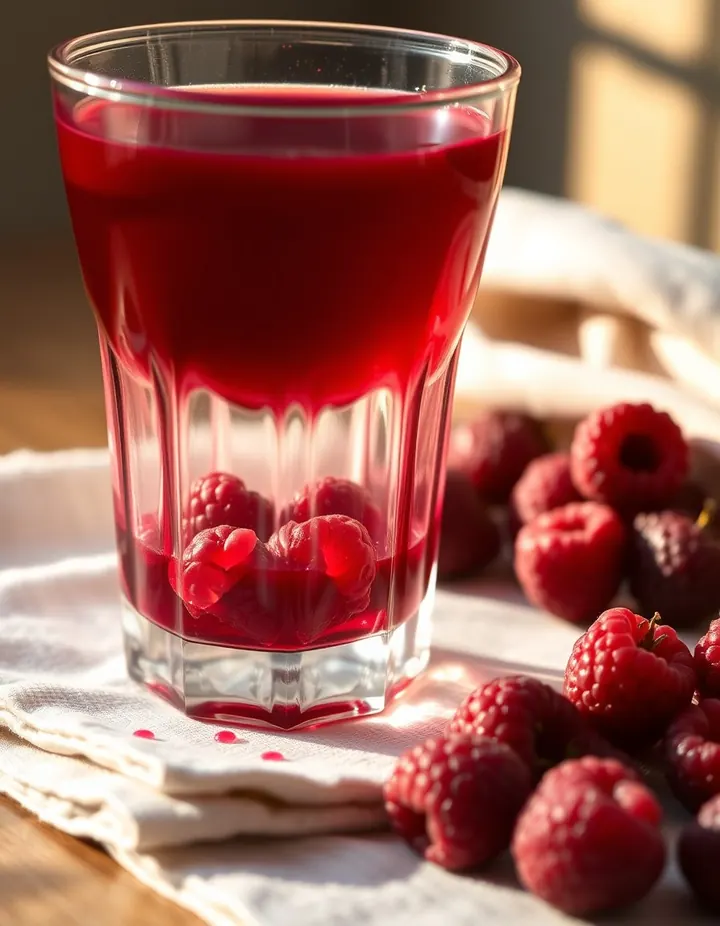 Raspberry Vinegar214 recipes
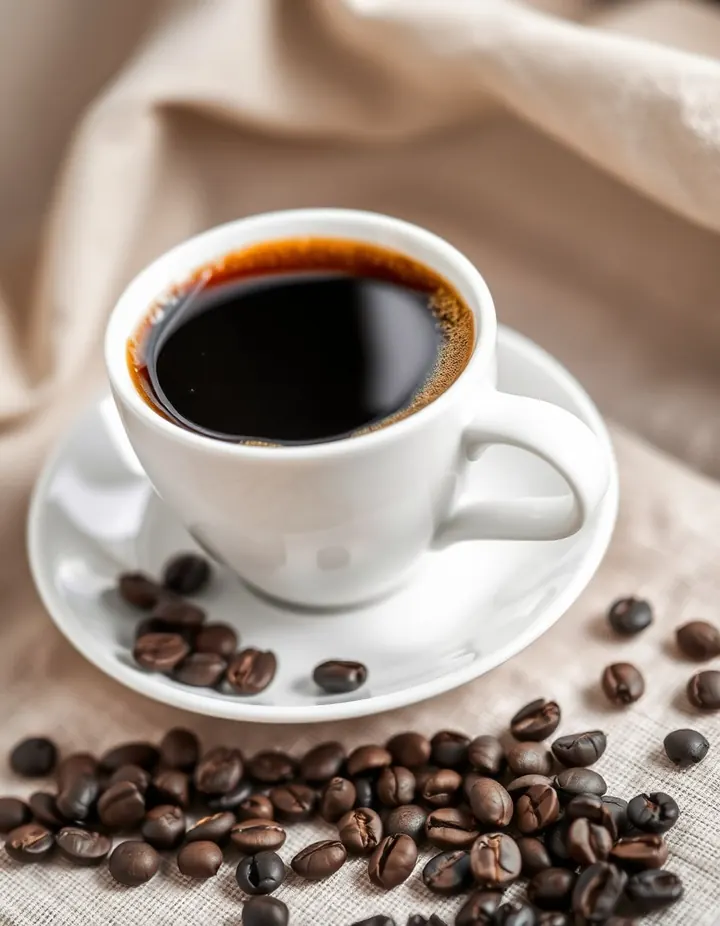 Brown Coffee with Egg175 recipes
The free Flavor Lab newsletter: one surprising pairing a week and the molecular reason it works, in 60 seconds. No spam, unsubscribe anytime.
Prefer an account? Create a free account to save pairings and unlock the full chemistry.