Why it works: Lemon and wine are a kitchen classic. They rank in the top 13% of all ingredient pairs, and cooks put them together in 6,157 recipes. Both carry decanal, which smells soap, orange peel. The science ↓
Cowslip or Clary Wine
Ingredients
Directions
Make the wine base
Boil sugar with water and hops for 30 minutes.
Add the rinds of lemons or oranges in the last 15 minutes of boiling.
Squeeze the juice of the lemons or oranges and add the squeezed juice when the mixture cools.
Rinse the pulp in the hot liquid.
Ferment with yeast for two days.
Transfer the fermented mixture to a cask.
Keep the cask filled with wine or new beer while it ferments.
Cover the cask with brown paper.
Add the flowers
Gather cowslip flowers on a dry day.
Remove the stalks and greens from the flowers.
Spread the flowers on trays to dry, turning them often.
Store the dried flowers in paper bags until ready to use.
Add the dried flowers through the bung-hole.
Stir the mixture down daily.
Clarify and age
Dissolve the isinglass in a little wine.
Add the dissolved isinglass to the mixture.
Cover the mixture again with paper.
Let the wine sit for 4 to 8 months.
Let it sit for 6 months before bottling.
Transcribed from a scanned cookbook and modernised for today's kitchens. Where the book gave no heat or time, or said "a moderate oven", the temperatures and times here may be modern equivalents rather than the book's own figures.
Explore the science
The flavor team
The pairs that carry this dish. Each one is judged two ways: how much their aromas overlap, and how often cooks already put them together.
-
Lemon + winetop 13% of all pairsSmell alikelowCooked together6,157 recipes
Shared aroma: decanal (soap, orange peel).
-
Sugar + lemontop 18% of all pairsSmell alikelowCooked together53,532 recipes
Shared aroma: 2-nonenal (fatty, green).
-
Hops + winetop 22% of all pairsSmell alikelowCooked together4 recipes
Shared aroma: 4-methylguaiacol (smoky, spicy).
-
Sugar + winetop 31% of all pairsSmell alikelowCooked together9,581 recipes
Shared aroma: beta-damascenone (apple, rose).
-
Hops + lemontop 40% of all pairsSmell alikelowCooked together3 recipes
Shared aroma: eucalyptol (eucalyptus, herbal).
Sugar and lemon barely smell alike, yet cooks put them together in 53,532 recipes: they work on texture and structure more than aroma.
Ranks compare each pair with 20,000 random ingredient pairs on CompKitchen. How we score pairs
What each ingredient does
- Sugar
- Provides the fermentable sugar that yeast turns into alcohol, and sweetness in the finished wine.
- Lemons or seville oranges
- Rinds and juice add aroma and acidity to balance the sweetness.
- Hops
- Add bitterness and help preserve the wine.
- Cowslip flowers
- Provide the floral aroma that defines the wine.
- Isinglass
- Fines the wine, helping suspended particles settle so it clears.
The step that matters
Keeping the cask filled while it ferments. As fermentation runs, gas escapes and the liquid level drops. Topping up with wine or beer keeps air out of the cask, which prevents spoilage and oxidation of the wine.
Swap the lemon
How well each one fits the dish's main ingredients (sugar, hops, wine):
- Vanillafits better
- Grapefits better
- Applefits better
- Lemonthe original
Fit is the average pairing score against sugar, hops, wine. Candidates are from the same food group and used in at least 100 recipes.
“What each ingredient does” and “The step that matters” were written by Claude from this recipe’s own method and reviewed in samples by CompKitchen.
You might also like
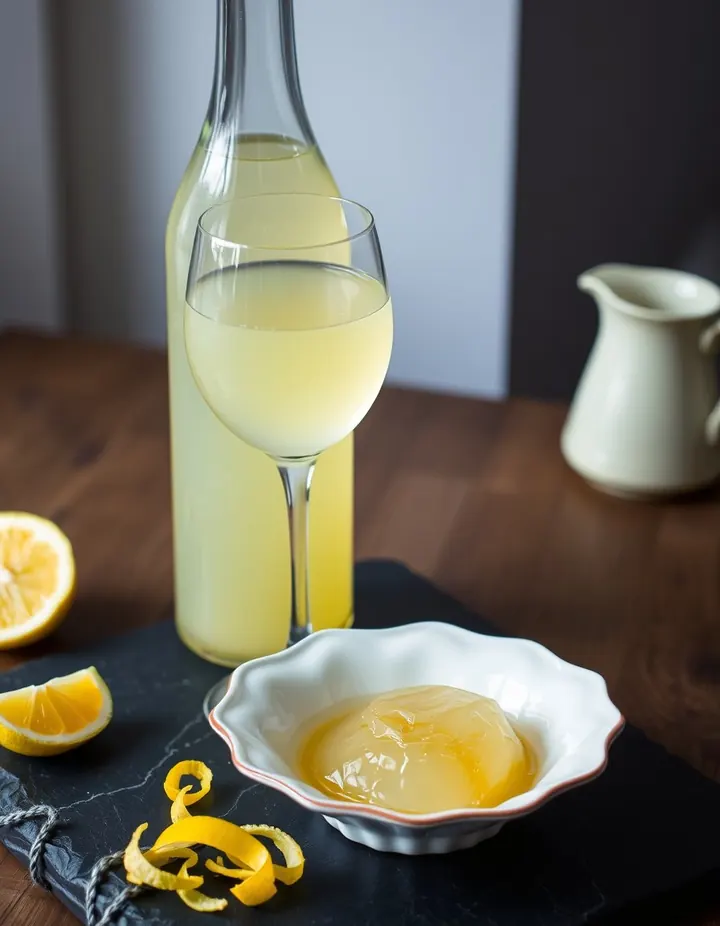 Lemon Wine31 recipes
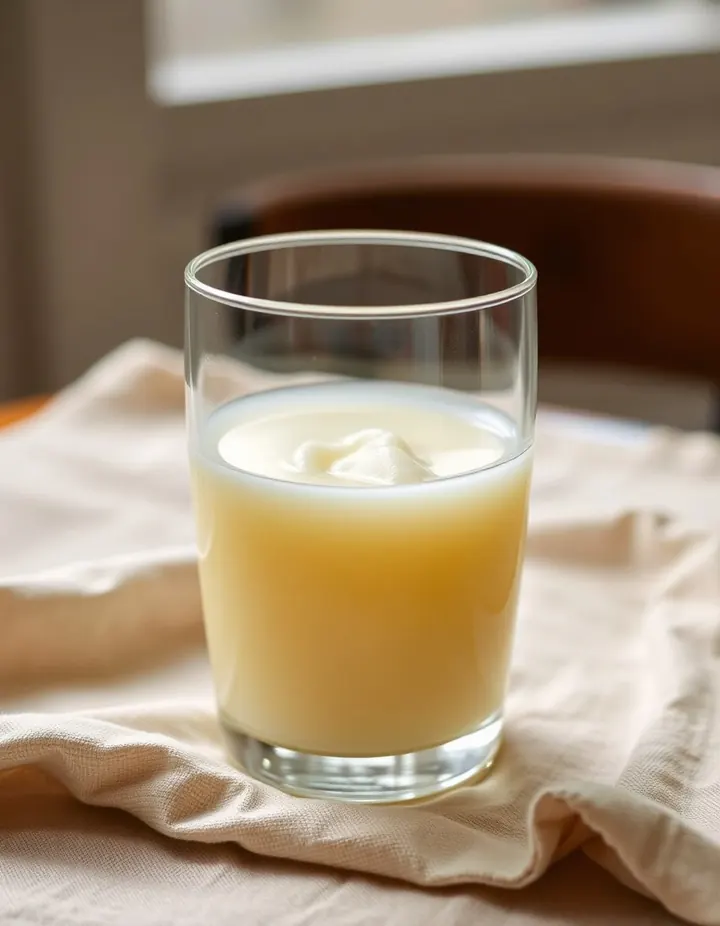 Wine Whey111 recipes
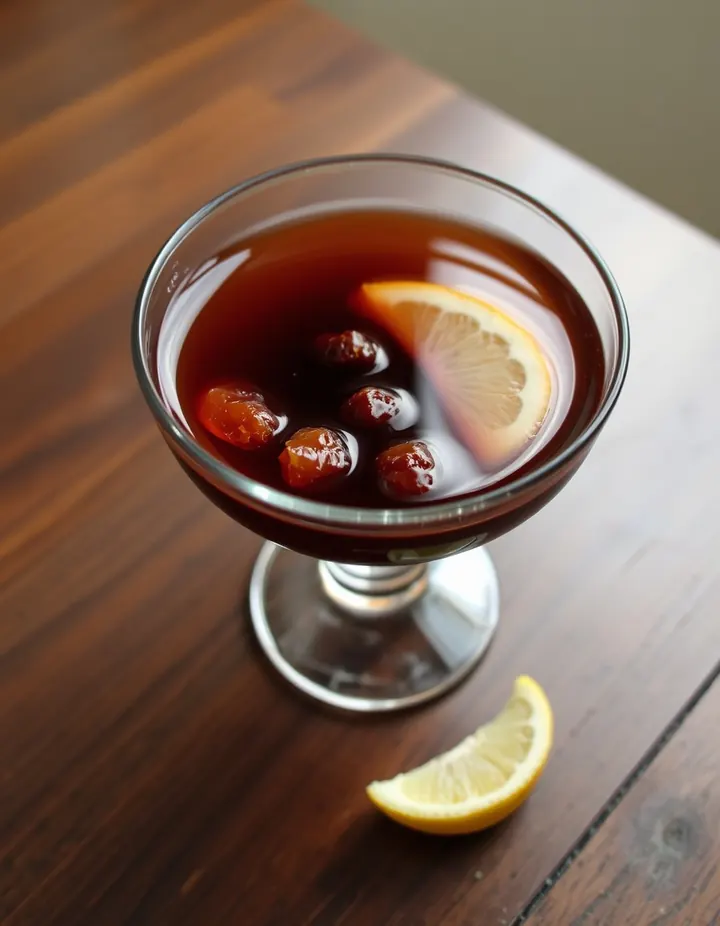 Raisin Wine64 recipes
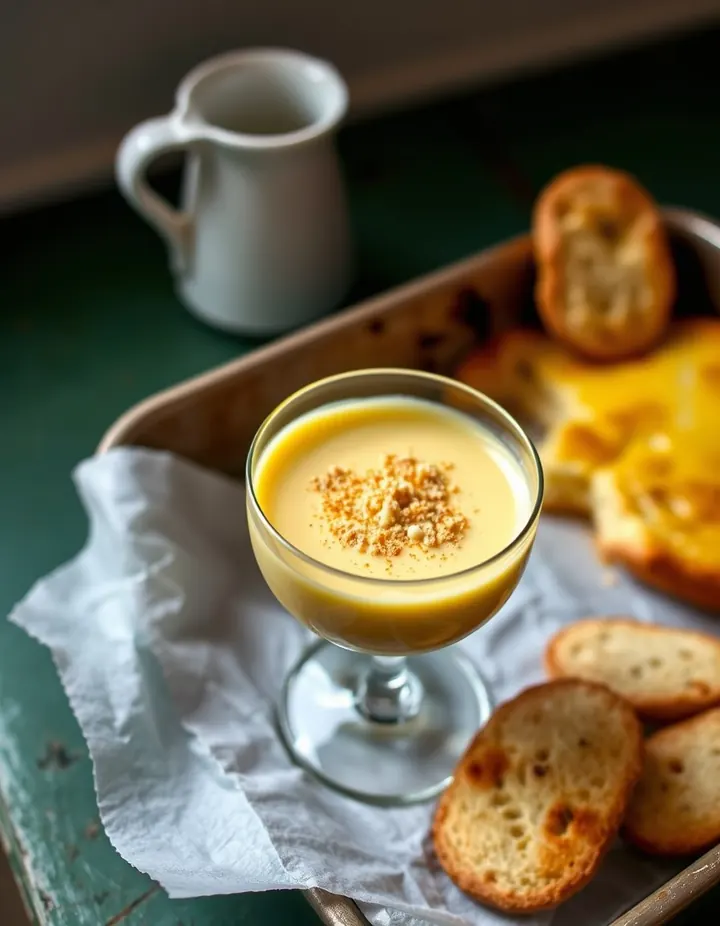 Egg Wine58 recipes
The free Flavor Lab newsletter: one surprising pairing a week and the molecular reason it works, in 60 seconds. No spam, unsubscribe anytime.
Prefer an account? Create a free account to save pairings and unlock the full chemistry.