Why it works: Vinegar and salmon are a kitchen classic. They rank in the top 27% of all ingredient pairs, and cooks put them together in 1,675 recipes. Both carry acetic acid, which smells sour, vinegar. The science ↓
To Pickle Cold Salmon
Ingredients
Directions
Make the pickle
Boil the water in which the fish was previously cooked.
Add an equal amount of vinegar and a few whole peppercorns.
Once the mixture begins to bubble, remove it from the heat.
Pickle the salmon
Place the cold salmon in the mixture to preserve it.
If the salmon is not fully cooked, boil it in the pickle until thoroughly done.
Transcribed from a scanned cookbook and modernised for today's kitchens. Where the book gave no heat or time, or said "a moderate oven", the temperatures and times here may be modern equivalents rather than the book's own figures.
Explore the science
The flavor team
The pairs that carry this dish. Each one is judged two ways: how much their aromas overlap, and how often cooks already put them together.
-
Vinegar + salmontop 27% of all pairsSmell alikelowCooked together1,675 recipes
Shared aroma: acetic acid (sour, vinegar).
Ranks compare each pair with 20,000 random ingredient pairs on CompKitchen. How we score pairs
What each ingredient does
- Vinegar
- Provides the acidity that preserves the fish and gives the pickle its sharp flavour.
- Whole peppercorns
- Add aromatic, spicy flavour to the pickling liquid.
- Salmon
- The main protein, which firms and takes on flavour as it sits in the acidic pickle.
The step that matters
Removing the pickle from the heat once it bubbles. Letting the mixture boil hard for long evaporates liquid and concentrates the vinegar, changing the balance of the pickle. Stopping at the first bubbles keeps the brine's strength and flavour steady before the fish goes in.
“What each ingredient does” and “The step that matters” were written by Claude from this recipe’s own method and reviewed in samples by CompKitchen.
You might also like
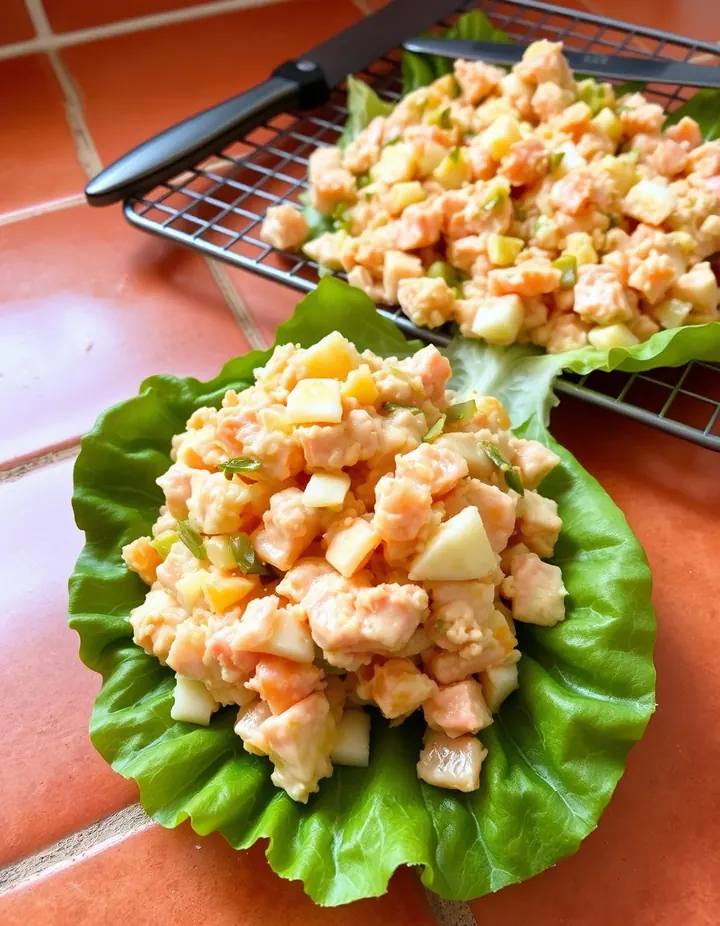 Salmon Salad155 recipes
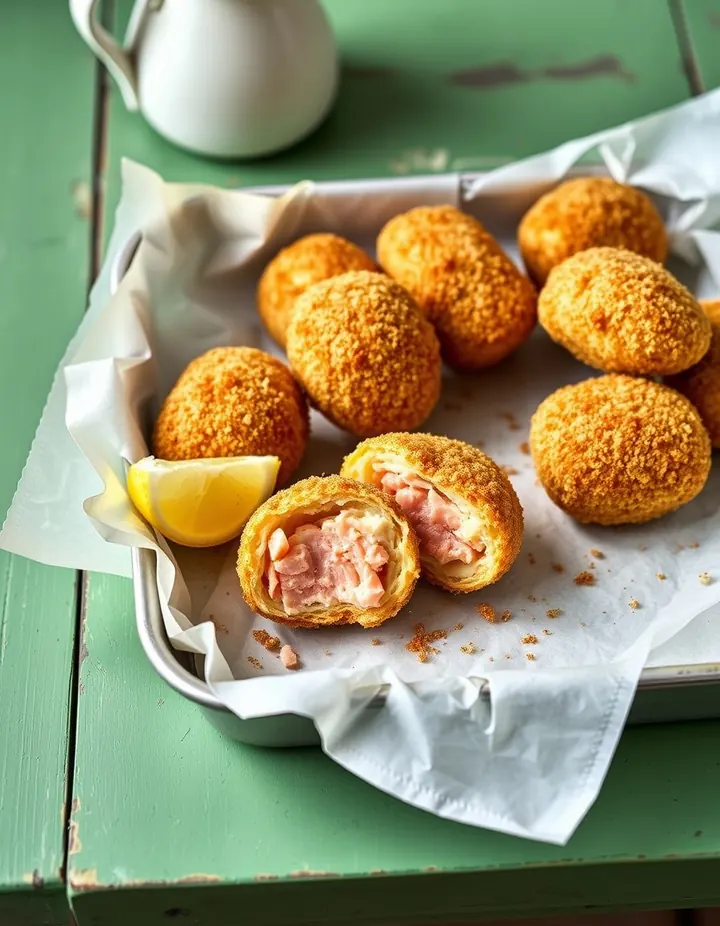 Salmon Croquettes129 recipes
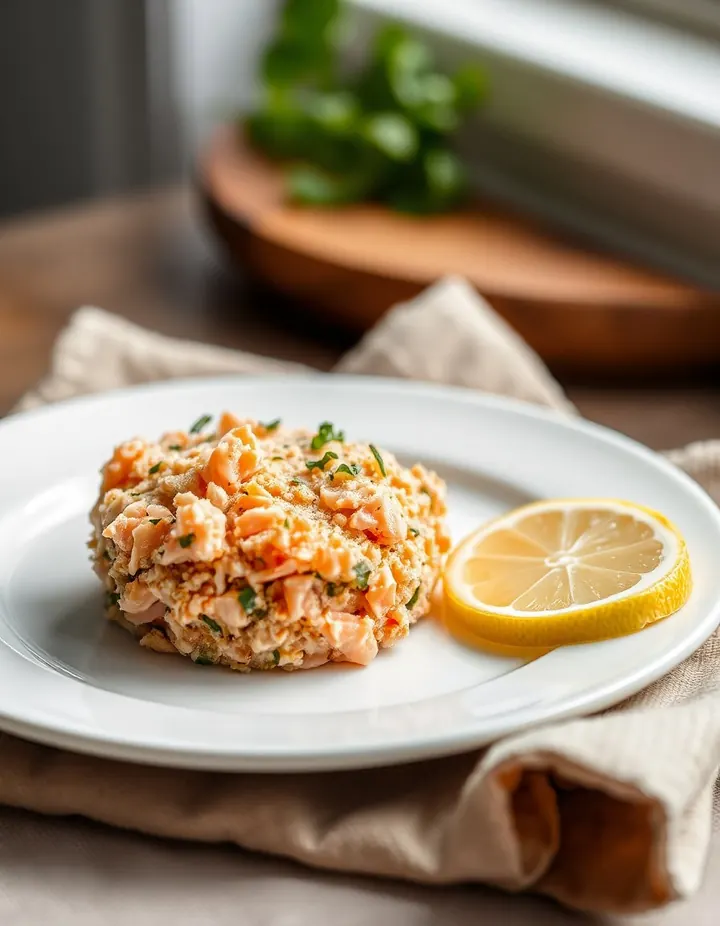 Canned Salmon14 recipes
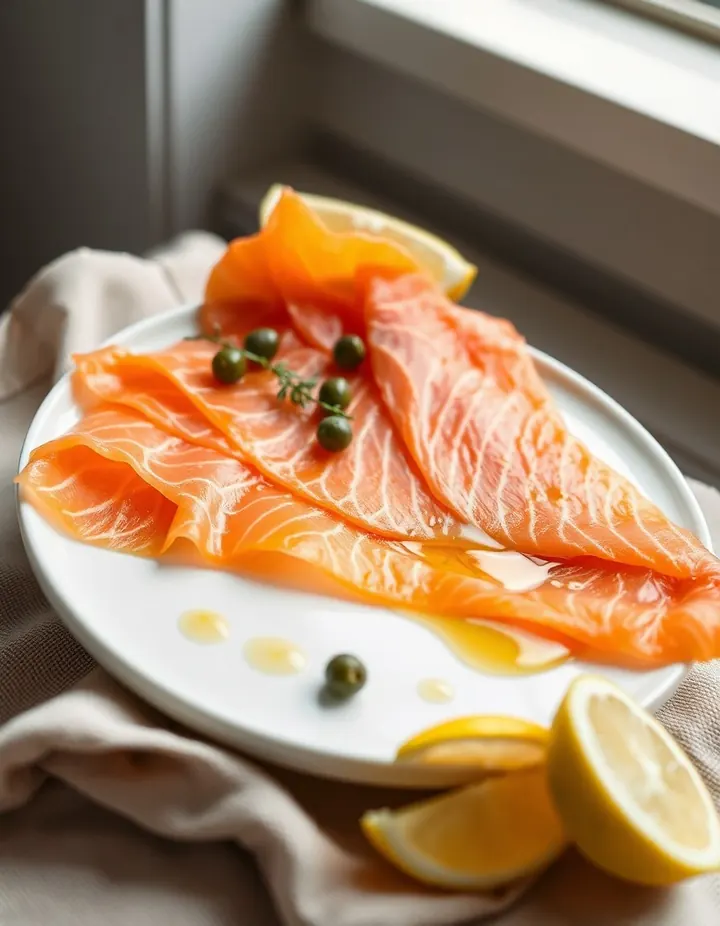 Smoked Salmon14 recipes
The free Flavor Lab newsletter: one surprising pairing a week and the molecular reason it works, in 60 seconds. No spam, unsubscribe anytime.
Prefer an account? Create a free account to save pairings and unlock the full chemistry.