Why it works: Ginger and clove match in chemistry and in kitchens. They rank in the top 1% of all ingredient pairs, and cooks put them together in 6,038 recipes. Both carry estragole, which smells anise, licorice. The science ↓
To Pickle Walnuts
Ingredients
Directions
Brine the walnuts
When walnuts can be pierced with a pin, prepare a brine of salt and water.
Boil the brine until it is strong enough to float an egg, then skim the brine while boiling.
Let the brine cool.
Soak the walnuts in the brine for six days.
Change the brine.
Let the walnuts stand in the new brine for another six days.
Drain the walnuts.
Pickle and store
Place the walnuts in a jar.
Boil the mixture of white-wine vinegar, pepper, pimento, ginger, mace, cloves, mustard-seed, and horseradish together.
Cool the boiled mixture.
Pour the cooled mixture over the walnuts in the jar.
Add six tablespoons of mustard-seed and two or three heads of garlic or shallot for every hundred walnuts.
Seal the jar tightly.
Store the jar; the walnuts will be good for several years but not ready to eat for at least six months.
Transcribed from a scanned cookbook and modernised for today's kitchens. Where the book gave no heat or time, or said "a moderate oven", the temperatures and times here may be modern equivalents rather than the book's own figures.
Explore the science
The flavor team
The pairs that carry this dish. Each one is judged two ways: how much their aromas overlap, and how often cooks already put them together.
-
Ginger + clovetop 1% of all pairsSmell alikestrongCooked together6,038 recipes
Shared aroma: estragole (anise, licorice).
-
Pepper + clovetop 5% of all pairsSmell alikestrongCooked together17,451 recipes
Shared aroma: ethyl octanoate (fruity, wine).
-
Mace + clovetop 6% of all pairsSmell alikelowCooked together8,400 recipes
Shared aroma: methyleugenol (clove, spice).
-
Vinegar + mustardtop 7% of all pairsSmell alikemoderateCooked together14,067 recipes
Shared aroma: isobutyraldehyde (malty, green).
-
Clove + mustardtop 8% of all pairsSmell alikestrongCooked together3,829 recipes
Shared aroma: methyleugenol (clove, spice).
Ranks compare each pair with 20,000 random ingredient pairs on CompKitchen. How we score pairs
What each ingredient does
- Walnuts
- Form the pickled base, absorbing the brine and spiced vinegar flavour as they soften.
- Salt
- Draws moisture out of the walnuts and seasons them during the brining stage.
- White-wine vinegar
- Provides the acidity that preserves the walnuts and gives the pickle its sharp flavour.
- Mustard-seed
- Adds pungent, sharp flavour to the pickling liquid and the jar.
- Horseradish
- Adds a sharp, pungent heat that mellows during long storage.
The step that matters
Seal the jar tightly and wait. Vinegar and salt preserve the walnuts only when air is kept out; a loose seal lets spoilage start. The flavour also needs months to mellow, so eating early gives harsh, unbalanced taste.
Swap the mace
How well each one fits the dish's main ingredients (walnut, wine, vinegar, pepper, ginger, clove, mustard):
- Allspicefits better
- Cinnamonfits better
- Tarragonfits better
- Macethe original
Fit is the average pairing score against walnut, wine, vinegar, pepper, ginger, clove, mustard. Candidates are from the same food group and used in at least 100 recipes.
“What each ingredient does” and “The step that matters” were written by Claude from this recipe’s own method and reviewed in samples by CompKitchen.
You might also like
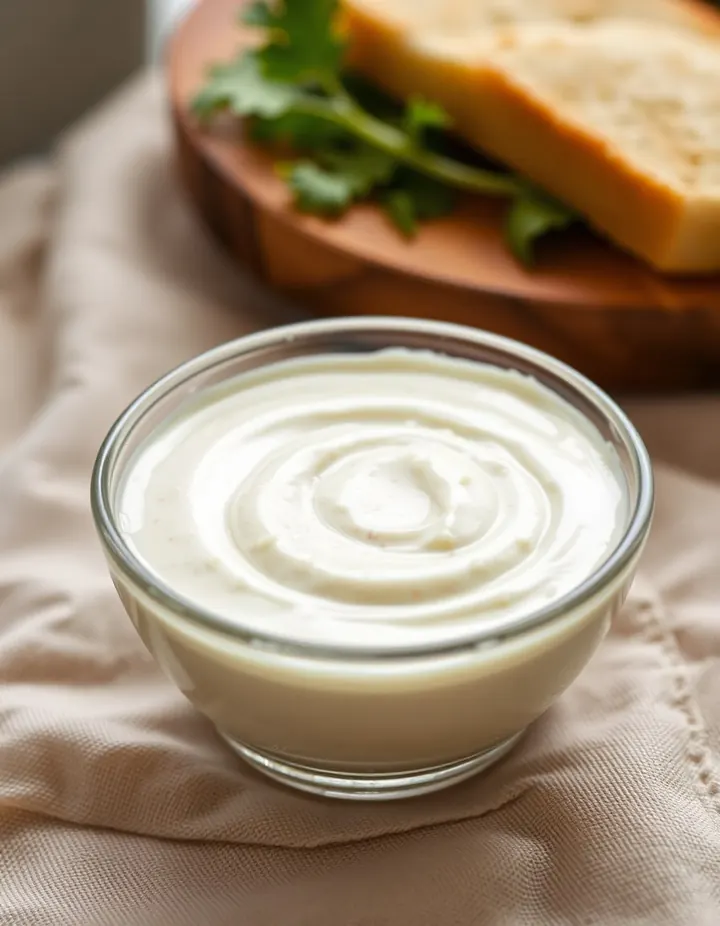 Horseradish Sauce17 recipes
 Tomato Soup526 recipes
 Brown Bread461 recipes
 Mutton Broth292 recipes
The free Flavor Lab newsletter: one surprising pairing a week and the molecular reason it works, in 60 seconds. No spam, unsubscribe anytime.
Prefer an account? Create a free account to save pairings and unlock the full chemistry.