Why it works: Oyster and butter are a kitchen classic. They rank in the top 12% of all ingredient pairs, and 8,184 recipes mention both. Both carry 2,6-nonadienal, which smells cucumber, green. The science ↓
Common Oyster Sauce
Ingredients
Directions
Remove the gills from the oysters and prepare them as directed.
Add the strained liquor from the oysters to the melted butter and stir until it boils.
Add the oysters to the sauce and heat through.
Serve the sauce immediately, adding cayenne pepper and essence of anchovies if desired.
Transcribed from a scanned cookbook and modernised for today's kitchens. Where the book gave no heat or time, or said "a moderate oven", the temperatures and times here may be modern equivalents rather than the book's own figures.
Explore the science
The flavor team
The pairs that carry this dish. Each one is judged two ways: how much aroma chemistry they share, and how many recipes mention both.
-
Oyster + buttertop 12% of all pairsAroma overlapmoderateMentioned together8,184 recipes
Shared aroma: 2,6-nonadienal (cucumber, green).
-
Butter + peppertop 21% of all pairsAroma overlapmoderateMentioned together85,593 recipes
Shared aroma: trans-2-nonenal (cardboard, fatty).
-
Oyster + peppertop 22% of all pairsAroma overlaplowMentioned together7,663 recipes
Shared aroma: 2-nonenal (fatty, green).
Ranks compare each pair with 20,000 random ingredient pairs on CompKitchen. How we score pairs
What each ingredient does
- Oysters
- Provide the main flavour and texture, and are gently warmed through in the sauce.
- Melted butter
- Forms the rich base of the sauce and carries its flavour and body.
The step that matters
Adding the oysters to the sauce. Oysters cook very quickly and turn firm and rubbery if overheated, so they should only be heated through until their edges curl.
“What each ingredient does” and “The step that matters” were written by Claude from this recipe’s own method and reviewed in samples by CompKitchen.
You might also like
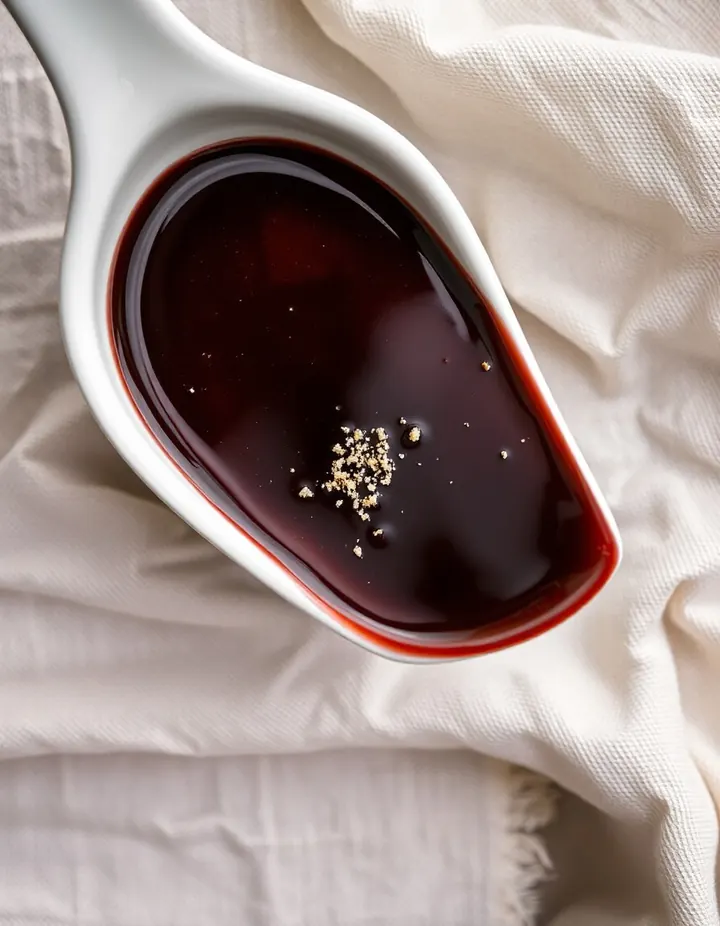 Wine Sauce (for stewed fruit)186 recipes
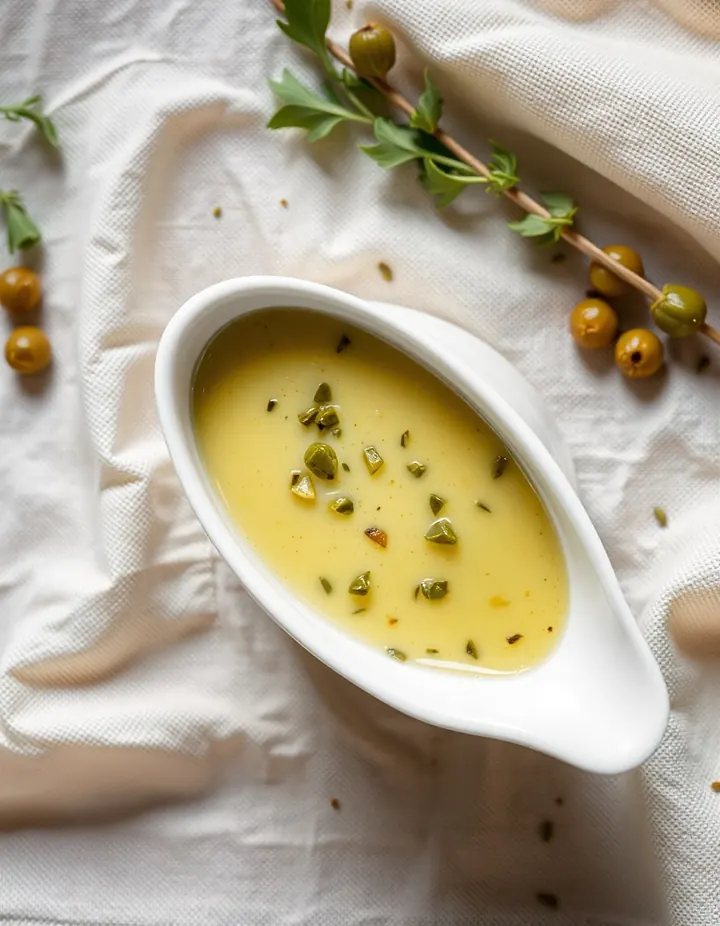 Caper Sauce180 recipes
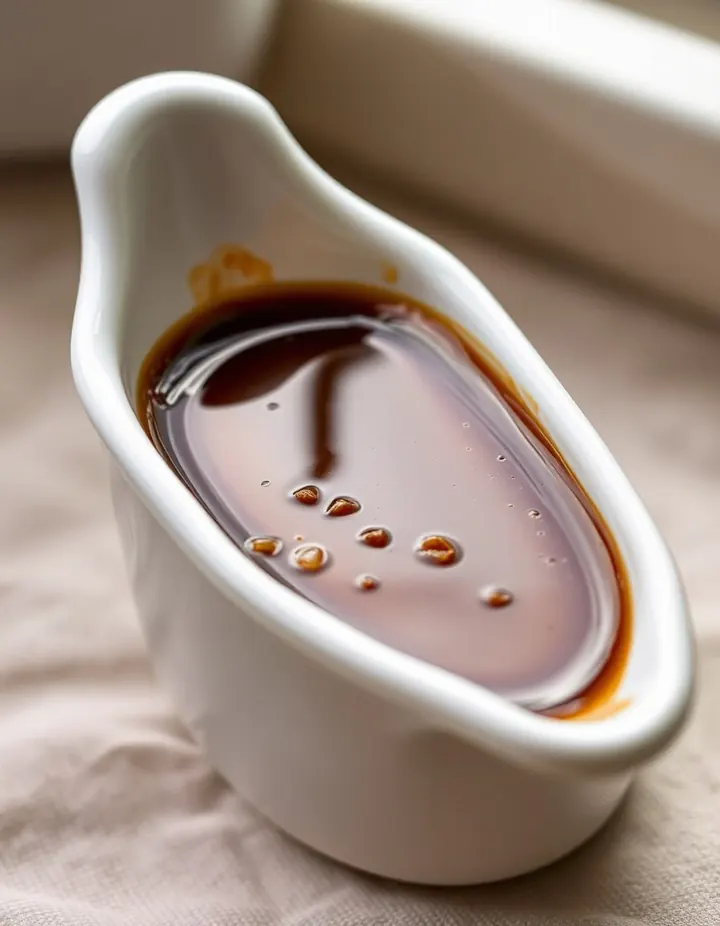 Brown Sauce141 recipes
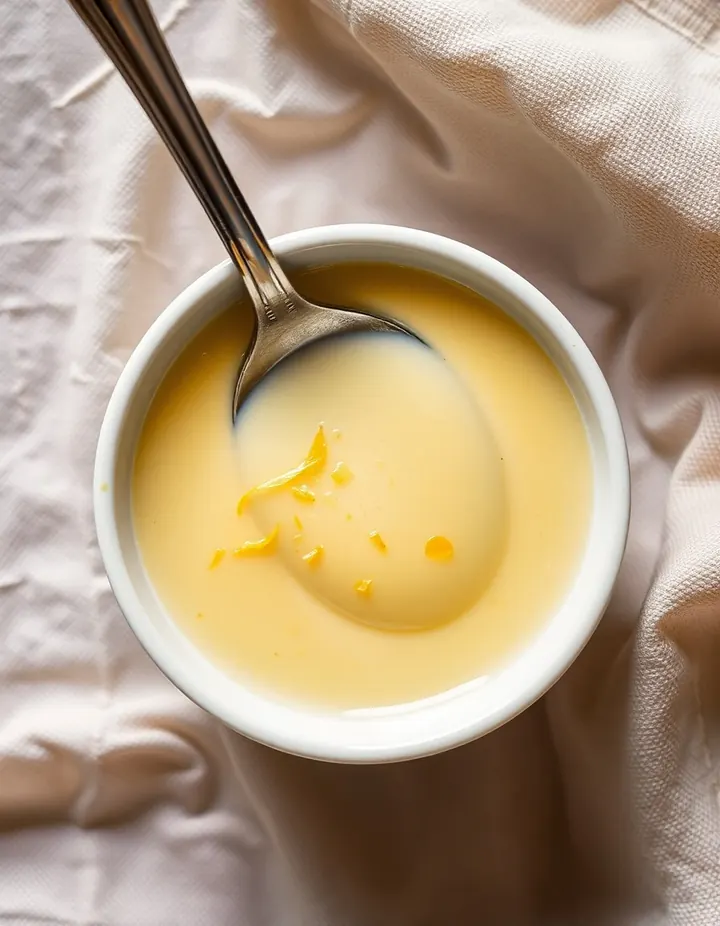 Dutch Sauce74 recipes
The Sunday pairing: one pairing, the chemistry behind it, and how to cook it. No spam, unsubscribe anytime.
Prefer an account? Create a free account for sign-in; Pro adds the full results and chemistry.