Why it works: Beef and pepper match in chemistry and in kitchens. They rank in the top 4% of all ingredient pairs, and 18,971 recipes mention both. Both carry 2-isopropyl-3-methoxypyrazine, which smells earthy, pea. The science ↓
The recipe
Ingredients
Directions
Prepare
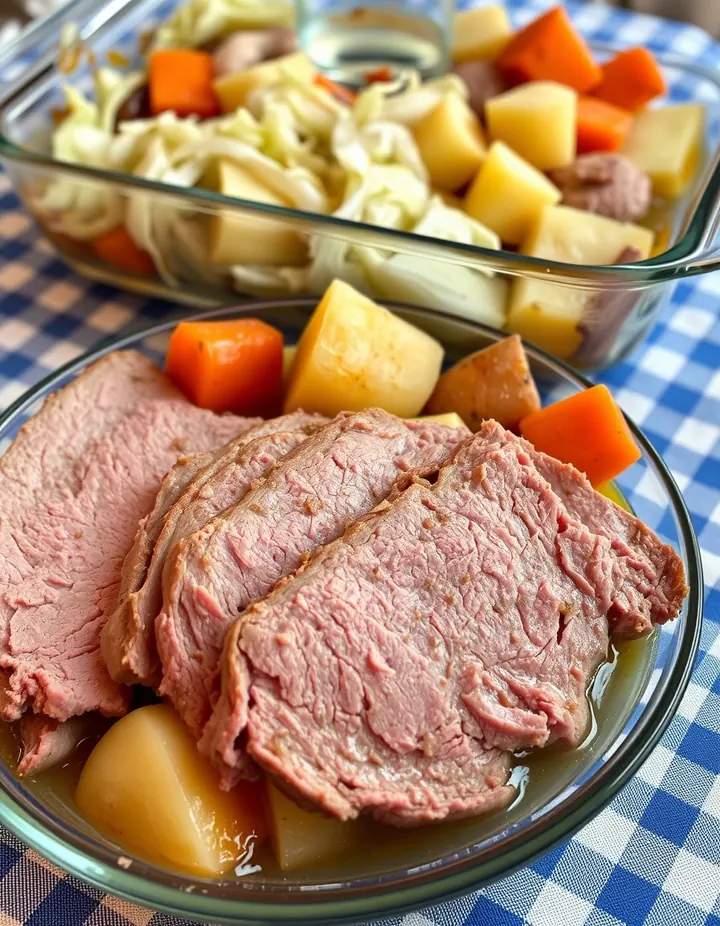
Cut a 3‑inch thick slice from a round of beef, ensuring some fat is attached.
Braise
In a pot, combine the beef, a glass of white wine, and a little water.
Season with salt, pepper, cloves, sweet herbs, and a bay leaf.
Simmer until the liquid is nearly evaporated.
Serve
Serve the beef cold.
Transcribed from a scanned cookbook and modernised for today's kitchens. Where the book gave no heat or time, or said "a moderate oven", the temperatures and times here may be modern equivalents rather than the book's own figures.
Explore the science
The flavor team
The pairs that carry this dish. Each one is judged two ways: how much aroma chemistry they share, and how many recipes mention both.
-
Beef + peppertop 4% of all pairsAroma overlapstrongMentioned together18,971 recipes
Shared aroma: 2-isopropyl-3-methoxypyrazine (earthy, pea).
-
Pepper + clovetop 3% of all pairsAroma overlapstrongMentioned together13,144 recipes
Shared aroma: ethyl octanoate (fruity, wine).
-
White wine + peppertop 7% of all pairsAroma overlapmoderateMentioned together5,223 recipes
Shared aroma: 2-isopropyl-3-methoxypyrazine (earthy, pea).
-
White wine + clovetop 7% of all pairsAroma overlapmoderateMentioned together1,071 recipes
Shared aroma: ethyl cinnamate (sweet, balsamic).
-
Beef + white winetop 10% of all pairsAroma overlapstrongMentioned together862 recipes
Shared aroma: 2-isopropyl-3-methoxypyrazine (earthy, pea).
Ranks compare each pair with 20,000 random ingredient pairs on CompKitchen. How we score pairs
What each ingredient does
- Beef
- Main protein; slow simmering softens its connective tissue for a tender texture.
- White wine
- Adds acidity and aroma, and flavors the cooking liquid that reduces around the meat.
- Cloves
- Contribute warm, aromatic flavor to the cooking liquid.
- Bay leaf
- Adds a subtle herbal aroma during the long simmer.
- Sweet herbs
- Add aromatic herbal flavor to the simmering liquid.
The step that matters
Simmering until nearly evaporated. As the liquid reduces, its flavors concentrate and coat the meat. If the pot boils dry or runs too low, the beef can scorch or dry out, while stopping too early leaves a thin, weakly flavored liquid.
Flavor stand-ins for the clove
How well each one fits the dish's main ingredients (beef, white wine, pepper):
- Thymebetter flavor fit
- Rosemarybetter flavor fit
- Marjorambetter flavor fit
- Clovethe original
Fit is the average pairing score against beef, white wine, pepper. Candidates are from the same food group and used in at least 100 recipes. This compares flavor only: it does not check the job the ingredient does in the dish (bulk, moisture, acidity, structure).
“What each ingredient does” and “The step that matters” were written by Claude from this recipe’s own method and reviewed in samples by CompKitchen.
You might also like
 Illustration
 Illustration
 Illustration
 Illustration
The Sunday pairing: one pairing, the chemistry behind it, and how to cook it. No spam, unsubscribe anytime.
Prefer an account? Create a free account for sign-in; Pro adds the full results and chemistry.