Why it works: Parsley and lemon match in chemistry and in kitchens. They rank in the top 1% of all ingredient pairs, and cooks put them together in 14,037 recipes. Both carry beta-phellandrene, which smells minty, terpene. The science ↓
Hare Soup with Forcemeat Balls
Ingredients
Directions
Make the soup
Simmer the hare with cayenne and salt in stock for 4‑5 hours, skimming off fat.
Strain the soup through a fine sieve.
Pound the best pieces of hare in a mortar, moistening with stock until smooth.
Return the stock to the saucepan, add the hare puree, and stir until boiling.
Thicken with creme‑de‑riz or flour if needed, aiming for a consistency of single cream.
Finish and serve
Just before serving, add port wine and small forcemeat balls.
For the forcemeat balls, mix suet, bread crumbs, parsley, lemon peel, herbs, salt, pepper, and the cooked liver in a bowl.
Add enough beaten egg to bind the mixture, then form into marble‑sized balls using a little flour.
Poach the balls in salted water for about 7 minutes or fry in clarified butter until golden brown.
Serve the soup with croutons garnished with ham on the side.
Transcribed from a scanned cookbook and modernised for today's kitchens. Where the book gave no heat or time, or said "a moderate oven", the temperatures and times here may be modern equivalents rather than the book's own figures.
Explore the science
The flavor team
The pairs that carry this dish. Each one is judged two ways: how much their aromas overlap, and how often cooks already put them together.
-
Parsley + lemontop 1% of all pairsSmell alikestrongCooked together14,037 recipes
Shared aroma: beta-phellandrene (minty, terpene).
-
Pepper + parsleytop 2% of all pairsSmell alikestrongCooked together34,122 recipes
Shared aroma: 4'-methylacetophenone (bitter almond).
-
Pepper + lemontop 3% of all pairsSmell alikestrongCooked together27,047 recipes
Shared aroma: trans-2-nonenal (cardboard, fatty).
-
Parsley + flourtop 12% of all pairsSmell alikemoderateCooked together16,675 recipes
Shared aroma: isobutyraldehyde (malty, green).
-
Bread + eggtop 13% of all pairsSmell alikemoderateCooked together22,662 recipes
Shared aroma: (e)-2-octenal (fatty, green).
Ranks compare each pair with 20,000 random ingredient pairs on CompKitchen. How we score pairs
What each ingredient does
- Hare
- Provides the main meaty flavour and, once puréed, the body of the soup.
- Flour
- Starch thickens the hot stock to a smooth, lightly textured consistency.
- Egg
- Coagulates when heated, binding the forcemeat balls together.
- Suet
- Adds fat that keeps the forcemeat balls moist and tender.
- Bread crumbs
- Absorb moisture and soften the forcemeat balls, giving a lighter texture.
- Port wine
- Adds sweetness and a rich, fruity aroma to the finished soup.
The step that matters
Thickening the soup. Stir the flour or creme‑de‑riz into simmering stock so it disperses without lumps, then let it cook briefly. Starch granules swell as they heat and thicken the soup; flour added dry clumps and undercooked flour tastes raw.
“What each ingredient does” and “The step that matters” were written by Claude from this recipe’s own method and reviewed in samples by CompKitchen.
You might also like
 Brown Bread461 recipes
 Lemon Sauce236 recipes
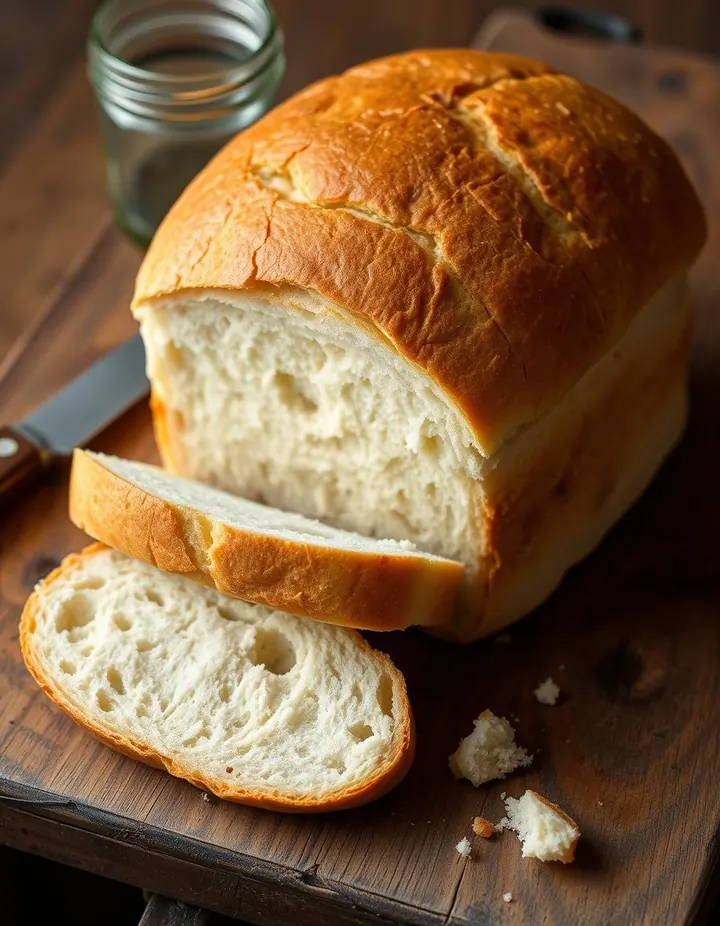 White Bread80 recipes
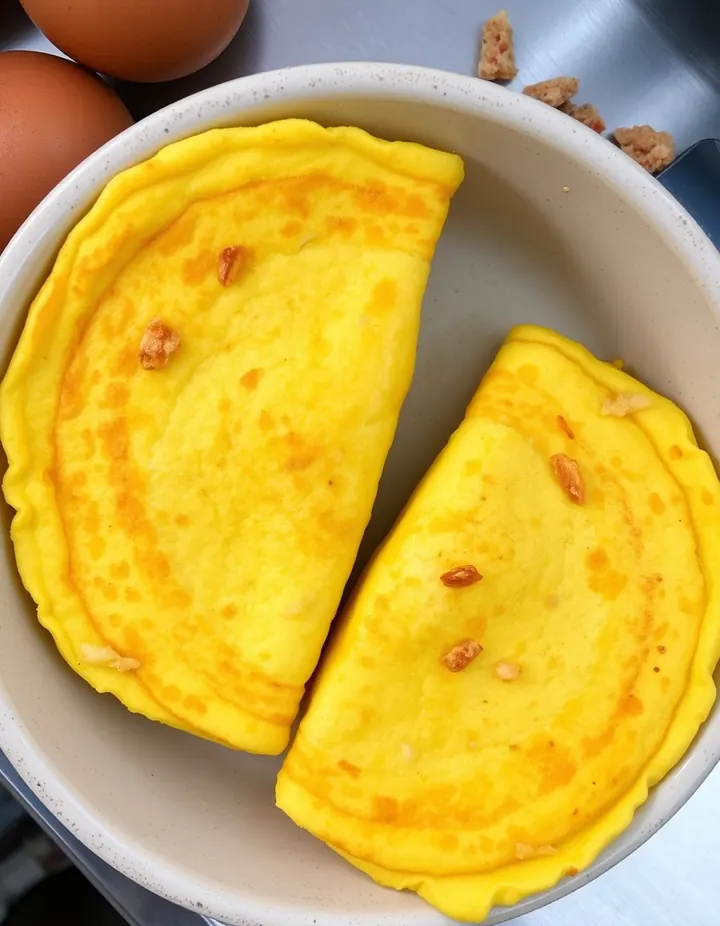 Bread Omelette60 recipes
The free Flavor Lab newsletter: one surprising pairing a week and the molecular reason it works, in 60 seconds. No spam, unsubscribe anytime.
Prefer an account? Create a free account to save pairings and unlock the full chemistry.