Why it works: Sugar and syrup match in chemistry and in kitchens. They rank in the top 6% of all ingredient pairs, and cooks put them together in 5,842 recipes. Both carry ethanol, which smells alcoholic, ethereal. The science ↓
Nesselrode Ice Pudding
Ingredients
Directions
Make the custard
Combine ½ pint of milk and ½ pint of cream in a saucepan.
Sweeten with 4 oz. of castor sugar and bring to a boil.
Beat 8 yolks of eggs in a bowl.
Pour the boiling milk mixture over the eggs, then return to the saucepan.
Stir the mixture until it thickens, being careful not to let it boil.
Strain through a fine sieve.
Prepare the chestnuts
Peel the outer skins off the chestnuts.
Boil the chestnuts for about 30 minutes.
Remove the inner skins.
Pound the chestnuts in a mortar.
Rub through a fine sieve.
Mix the chestnut paste with the custard.
Freeze and finish
Once cool, add ⅓ cup of kirsch or maraschino syrup.
Pour the mixture into a freezer.
Fold in ½ pint of stiffly whipped cream.
Freeze again.
Mix in 6 oz. of preserved fruits.
Cut into small pieces.
If using dried fruits, soak them in syrup first.
When the mixture reaches a thick batter consistency, transfer it to a dome-shaped mould.
Cover the mould.
Place in the ice cave for 2 hours.
Dip the mould in tepid water.
Turn out onto a napkin or cotton wool with lace paper.
Transcribed from a scanned cookbook and modernised for today's kitchens. Where the book gave no heat or time, or said "a moderate oven", the temperatures and times here may be modern equivalents rather than the book's own figures.
Explore the science
The flavor team
The pairs that carry this dish. Each one is judged two ways: how much their aromas overlap, and how often cooks already put them together.
-
Sugar + syruptop 6% of all pairsSmell alikestrongCooked together5,842 recipes
Shared aroma: ethanol (alcoholic, ethereal).
-
Cream + sugartop 9% of all pairsSmell alikemoderateCooked together43,450 recipes
Shared aroma: 2,3-butanedione (butter, sweet).
-
Chestnut + pineappletop 10% of all pairsSmell alikestrongCooked together67 recipes
Shared aroma: ethyl pentanoate (yeast, fruit).
-
Cream + syruptop 12% of all pairsSmell alikemoderateCooked together1,964 recipes
Shared aroma: ethanol (alcoholic, ethereal).
-
Milk + pineappletop 12% of all pairsSmell alikemoderateCooked together885 recipes
Shared aroma: methyl 2-methylbutyrate (fruity, apple).
Ranks compare each pair with 20,000 random ingredient pairs on CompKitchen. How we score pairs
What each ingredient does
- Chestnuts
- Pounded into a paste that gives the pudding its body and nutty flavour.
- Egg yolks
- Thicken the custard and add richness and smoothness to the frozen mixture.
- Cream
- Adds fat and richness, and whipped cream lightens the frozen texture.
- Milk
- Forms the liquid base of the custard with the cream.
- Castor sugar
- Sweetens the custard and softens the texture of the frozen pudding.
- Kirsch or maraschino syrup
- Adds aroma and flavour, and softens the freezing for a smoother texture.
The step that matters
Stir the custard without letting it boil. Egg yolks scramble and curdle if overheated, so the custard must be stirred gently until it thickens and then removed from heat promptly.
Swap the pineapple
How well each one fits the dish's main ingredients (chestnut, milk, cream, egg, sugar, syrup):
- Vanillafits better
- Raisinfits better
- Figfits better
- Pineapplethe original
Fit is the average pairing score against chestnut, milk, cream, egg, sugar, syrup. Candidates are from the same food group and used in at least 100 recipes.
“What each ingredient does” and “The step that matters” were written by Claude from this recipe’s own method and reviewed in samples by CompKitchen.
You might also like
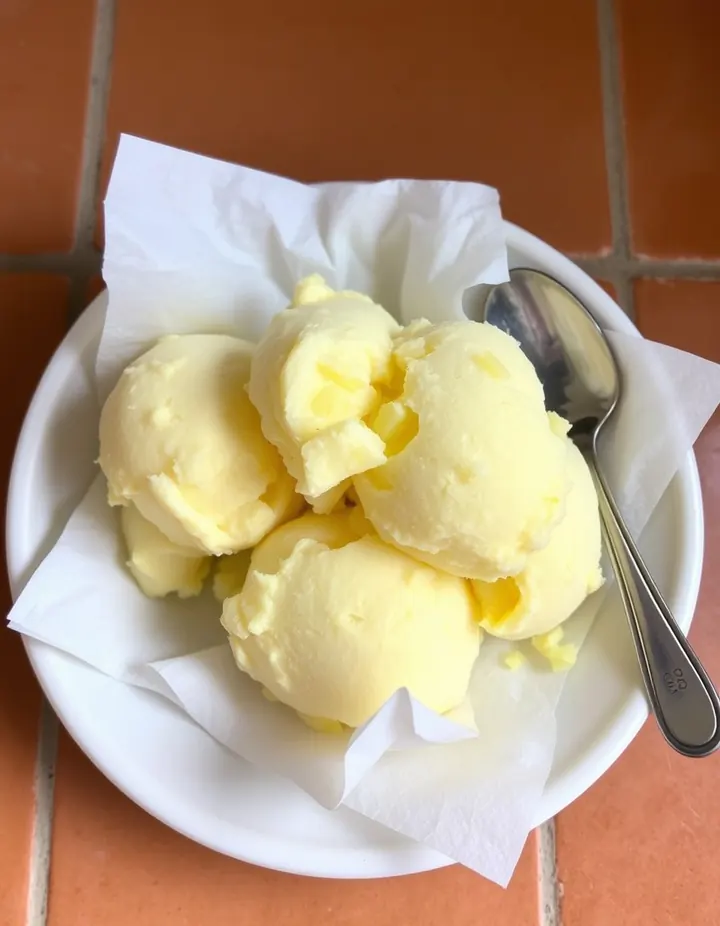 Pineapple Sherbet116 recipes
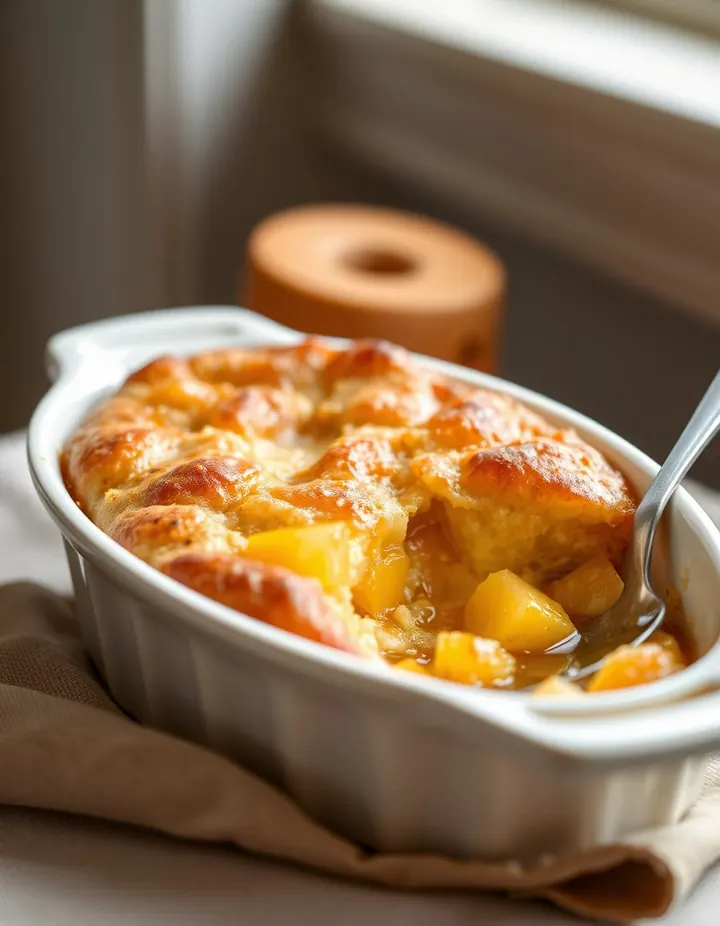 Pineapple Pudding72 recipes
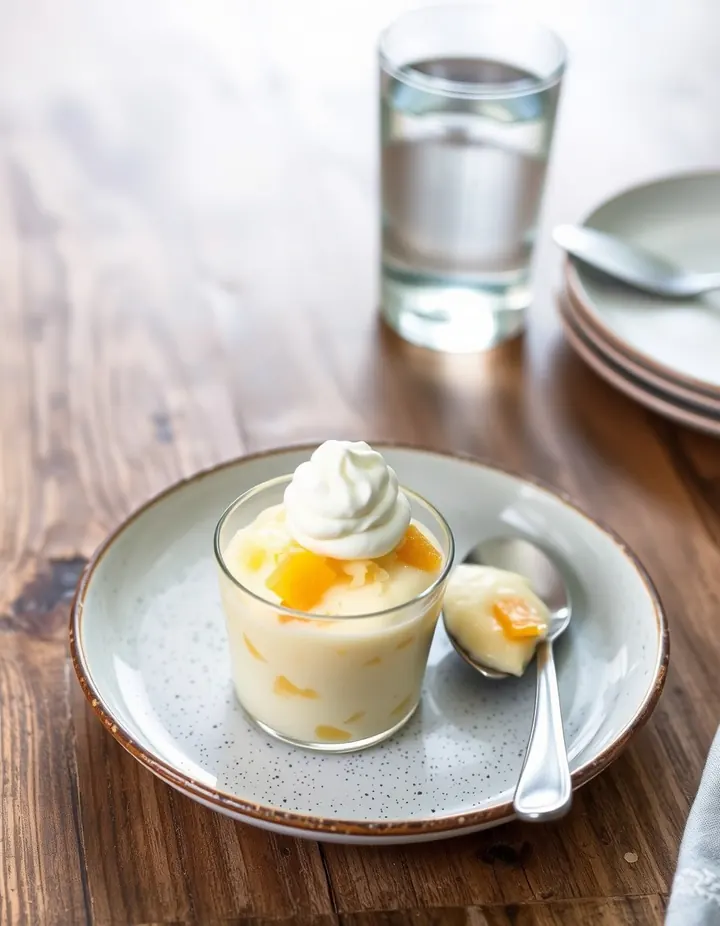 Pineapple Cream58 recipes
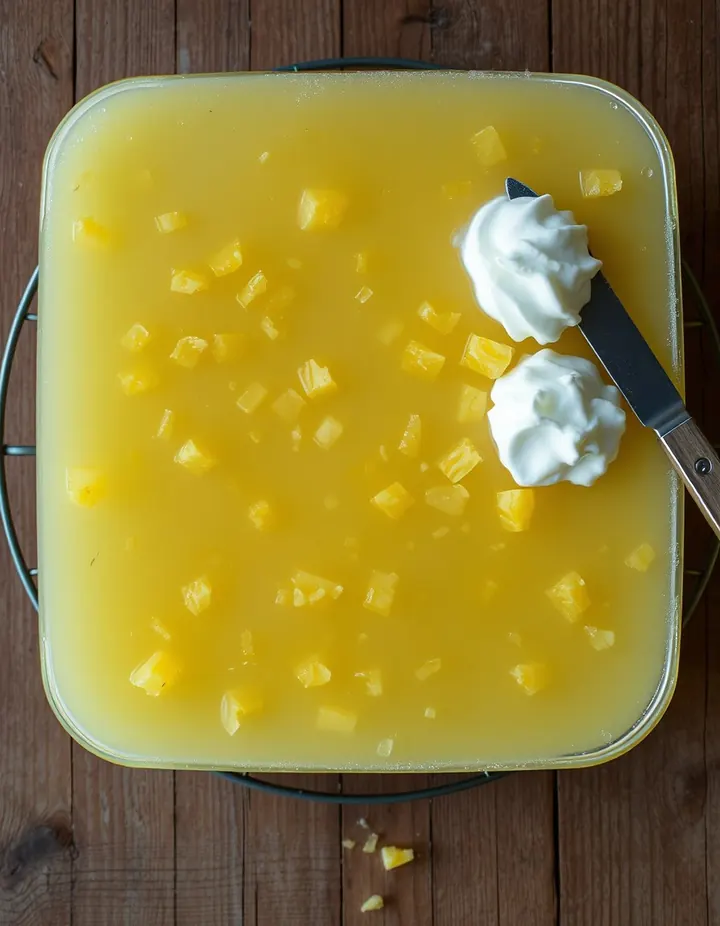 Pineapple Jelly39 recipes
The free Flavor Lab newsletter: one surprising pairing a week and the molecular reason it works, in 60 seconds. No spam, unsubscribe anytime.
Prefer an account? Create a free account to save pairings and unlock the full chemistry.