Why it works: Wheat and molasses work together. They rank in the top 24% of all ingredient pairs, and cooks put them together in 702 recipes. Both carry furaneol, which smells caramel, strawberry. The science ↓
Cottage Beer
Ingredients
Directions
Make the wort
Combine the wheat bran and water in a large pot or copper.
Add the hops and boil until the bran and hops sink to the bottom.
Strain the mixture through a fine sieve into a cooler.
Ferment and rest
When lukewarm, stir in the molasses or treacle until melted.
Pour the mixture into a 9-gallon cask and add the yeast.
Once fermentation subsides, seal the cask and let it sit for 4 days before use.
Transcribed from a scanned cookbook and modernised for today's kitchens. Where the book gave no heat or time, or said "a moderate oven", the temperatures and times here may be modern equivalents rather than the book's own figures.
Explore the science
The flavor team
The pairs that carry this dish. Each one is judged two ways: how much their aromas overlap, and how often cooks already put them together.
-
Wheat + molassestop 24% of all pairsSmell alikelowCooked together702 recipes
Shared aroma: furaneol (caramel, strawberry).
-
Wheat + hopstop 33% of all pairsSmell alikelowCooked together4 recipes
Shared aroma: isoamyl acetate (banana, fruity).
-
Hops + molassestop 41% of all pairsSmell alikelowCooked together5 recipes
Ranks compare each pair with 20,000 random ingredient pairs on CompKitchen. How we score pairs
What each ingredient does
- Wheat bran
- Provides grain body and starches that give the beer its base flavour and body.
- White hops
- Adds bitterness and aroma that balance the sweetness of the molasses.
- Molasses or treacle
- Supplies sugars that yeast ferments into alcohol, along with dark sweetness and colour.
- Yeast
- Ferments the sugars into alcohol and carbon dioxide, carbonating and flavouring the beer.
The step that matters
Stir in the molasses only when lukewarm. Yeast is killed by very hot liquid, so adding molasses or treacle to a boiling wort can stop fermentation. Cooling first keeps the yeast alive and lets the sugars dissolve evenly.
“What each ingredient does” and “The step that matters” were written by Claude from this recipe’s own method and reviewed in samples by CompKitchen.
You might also like
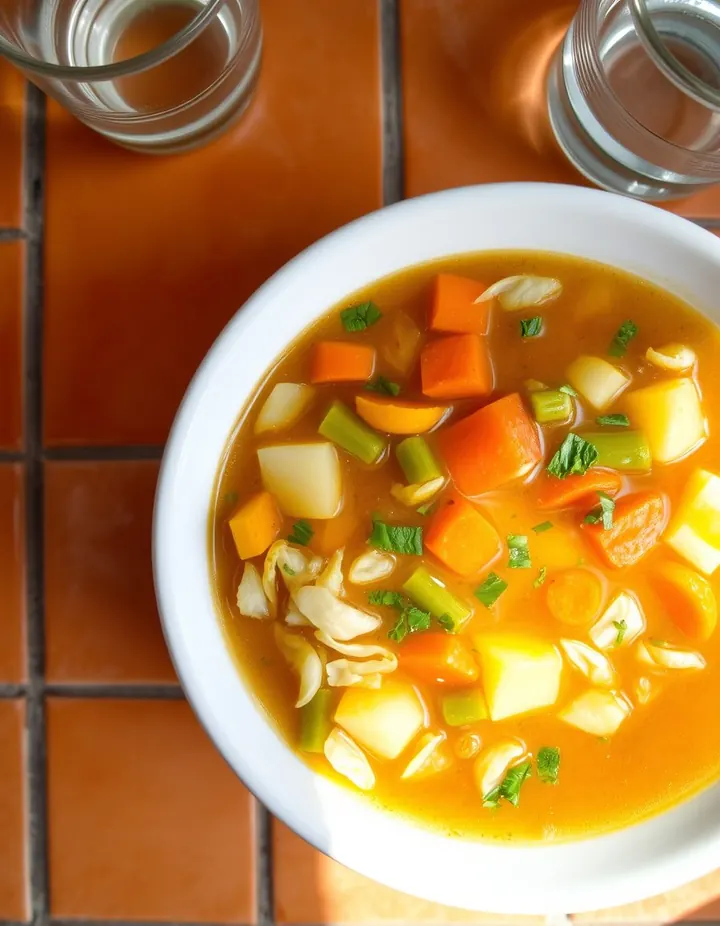 Vegetable Soup350 recipes
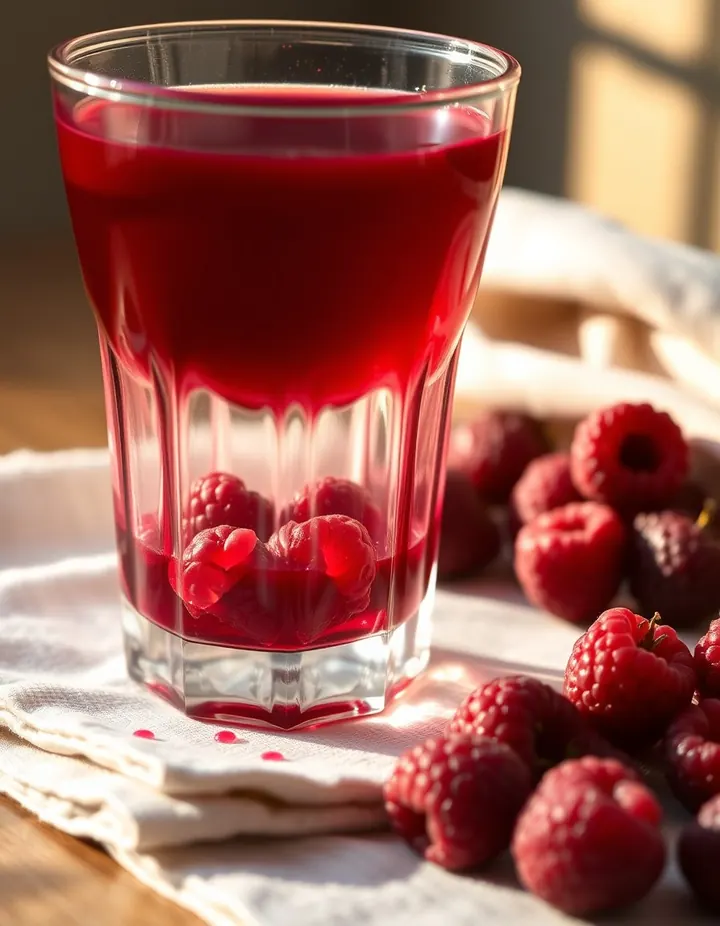 Raspberry Vinegar214 recipes
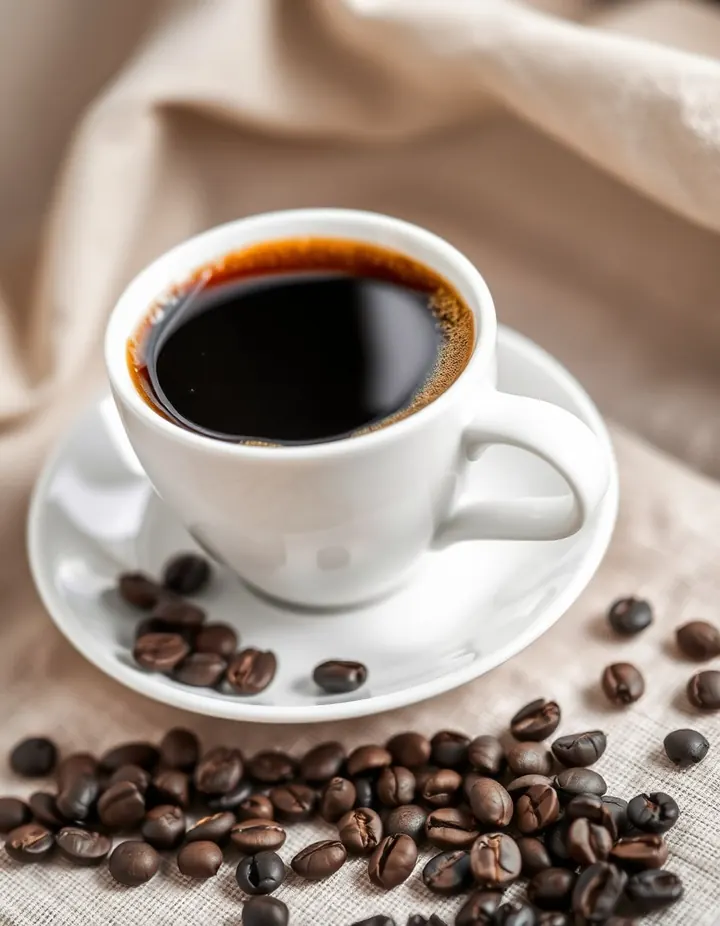 Brown Coffee with Egg175 recipes
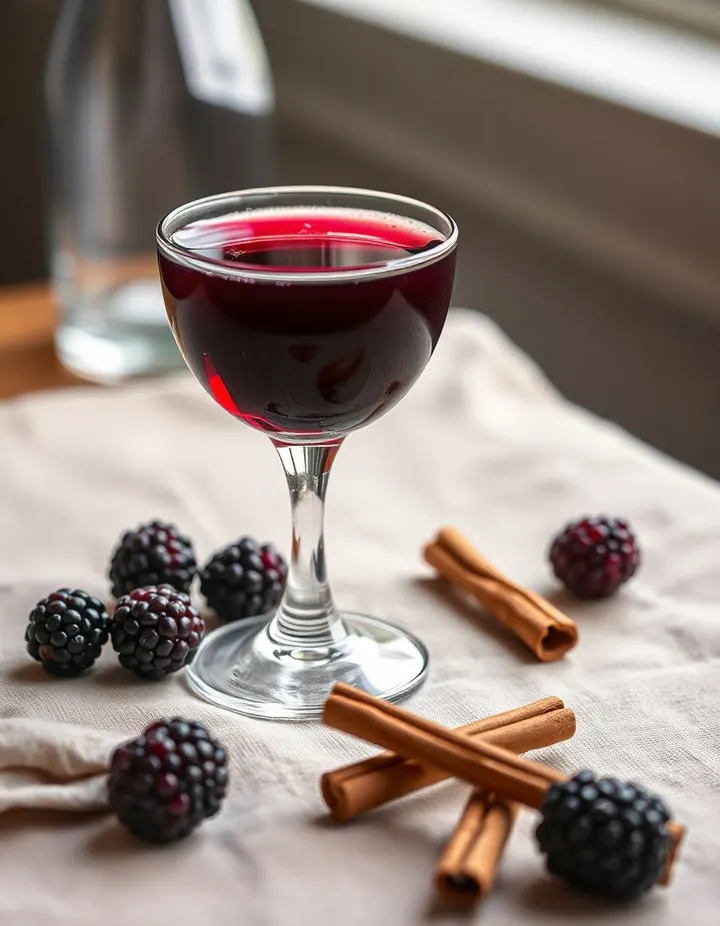 Blackberry Cordial129 recipes
The free Flavor Lab newsletter: one surprising pairing a week and the molecular reason it works, in 60 seconds. No spam, unsubscribe anytime.
Prefer an account? Create a free account to save pairings and unlock the full chemistry.