Why it works: Celery and pepper match in chemistry and in kitchens. They rank in the top 5% of all ingredient pairs, and cooks put them together in 16,012 recipes. Both carry 4'-methylacetophenone, which smells bitter almond. The science ↓
Celery Souffles
Ingredients
Directions
The book says “a hot oven”. The 400°F in the steps is the modern equivalent, not the book's own figure.
Prepare the celery
Soak the trimmed celery in salted water for a little while.
Combine milk, celery, bay leaf, mace, and onion in a saucepan.
Boil until tender.
Remove the bay leaf and mace.
Strain the mixture through a fine sieve.
Make the base
Combine ½ cup water, butter, and coarse sea salt in a stewpan and bring to a boil.
Stir in the flour.
Cook vigorously with a wooden spoon for several minutes.
Add the celery puree to the mixture.
Let it cool slightly.
Stir in the cheese.
Gradually mix in the yolks of two eggs and one whole egg.
Bake and serve
Whisk the whites of two eggs to stiff peaks.
Gently fold the whites into the mixture.
Season with cayenne.
Fill souffle cases three-quarters full.
Bake in a hot oven (400°F / 200°C) for about 10 minutes.
Arrange the cases on a dish and garnish.
Serve immediately.
Transcribed from a scanned cookbook and modernised for today's kitchens. Where the book gave no heat or time, or said "a moderate oven", the temperatures and times here may be modern equivalents rather than the book's own figures.
Explore the science
The flavor team
The pairs that carry this dish. Each one is judged two ways: how much their aromas overlap, and how often cooks already put them together.
-
Celery + peppertop 5% of all pairsSmell alikestrongCooked together16,012 recipes
Shared aroma: 4'-methylacetophenone (bitter almond).
-
Celery + oniontop 7% of all pairsSmell alikemoderateCooked together18,518 recipes
Shared aroma: guaiacol (smoky, sweet).
-
Butter + parmesan cheesetop 9% of all pairsSmell alikemoderateCooked together4,163 recipes
Shared aroma: guaiacol (smoky, sweet).
-
Onion + peppertop 11% of all pairsSmell alikemoderateCooked together68,474 recipes
Shared aroma: 2-isopropyl-3-methoxypyrazine (earthy, pea).
-
Butter + flourtop 12% of all pairsSmell alikelowCooked together124,287 recipes
Shared aroma: isobutyraldehyde (malty, green).
Butter and flour barely smell alike, yet cooks put them together in 124,287 recipes: they work on texture and structure more than aroma.
Ranks compare each pair with 20,000 random ingredient pairs on CompKitchen. How we score pairs
What each ingredient does
- Celery
- Provides the main flavour and, as a puree, the moisture and body of the base.
- Eggs
- Yolks enrich and set the base, while whipped whites trap air so the soufflé rises.
- Flour
- Thickens the butter and liquid into a paste that holds the soufflé base together.
- Butter
- Adds fat for richness and a smooth texture in the flour paste.
- Parmesan cheese
- Adds savoury, salty flavour to the soufflé base.
- Milk
- Adds moisture and creaminess to the celery puree.
The step that matters
Gently fold the whites into the mixture.. Whisked egg whites hold tiny air bubbles that make the soufflé rise. Stirring or overmixing them deflates the foam, so the soufflé bakes flat and dense.
Swap the mace
How well each one fits the dish's main ingredients (celery, butter, parmesan cheese, flour, onion, pepper, egg):
- Parsleyfits better
- Capersfits better
- Thymefits better
- Macethe original
Fit is the average pairing score against celery, butter, parmesan cheese, flour, onion, pepper, egg. Candidates are from the same food group and used in at least 100 recipes.
“What each ingredient does” and “The step that matters” were written by Claude from this recipe’s own method and reviewed in samples by CompKitchen.
You might also like
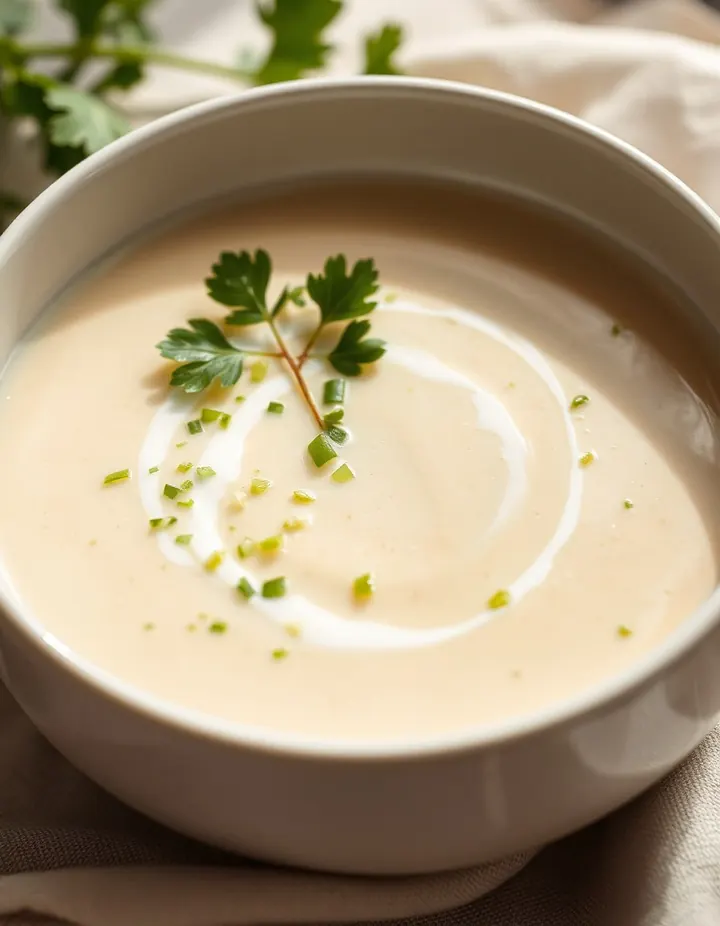 Cream of Celery Soup113 recipes
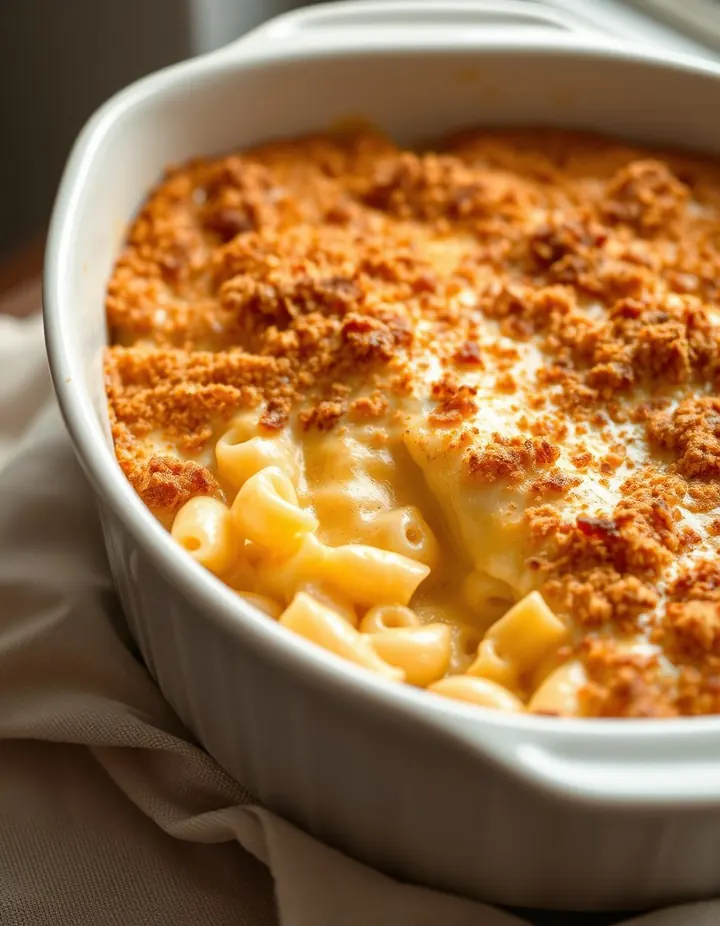 Macaroni and Cheese102 recipes
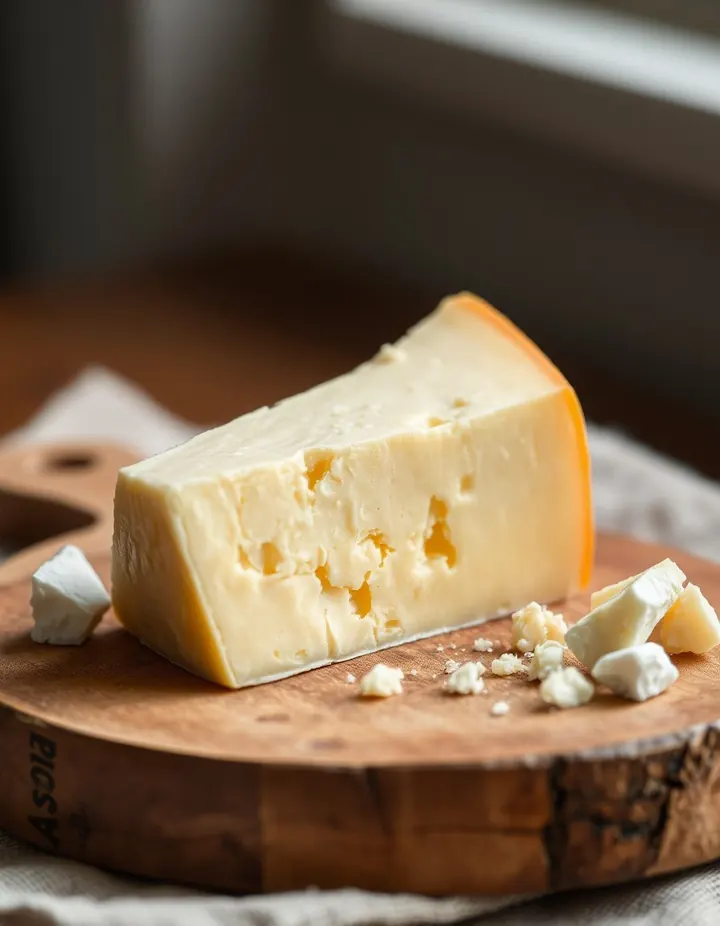 Cheese Making50 recipes
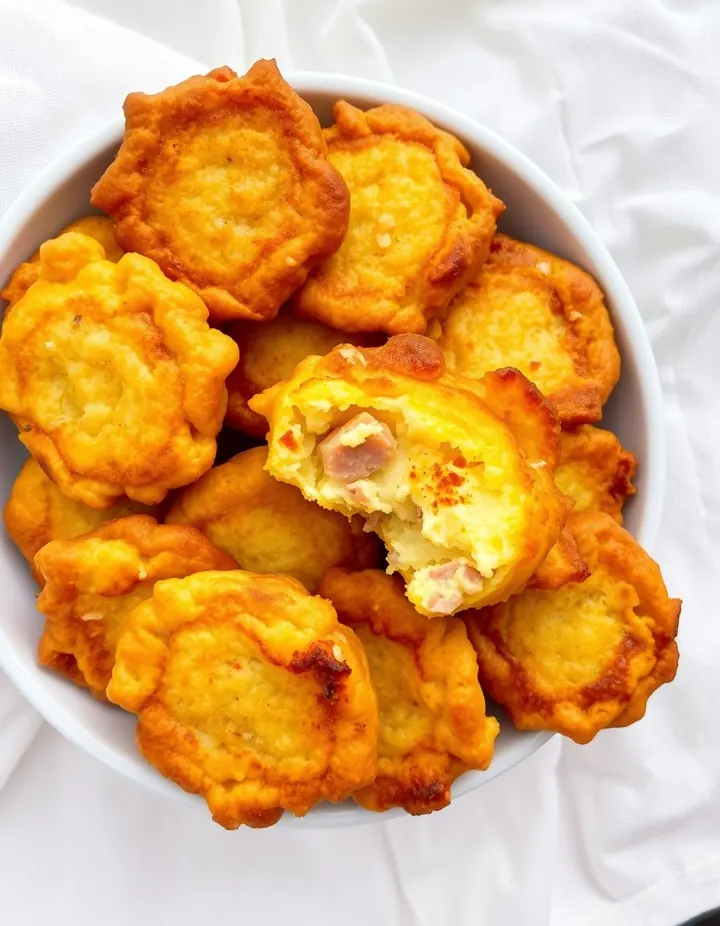 Cheese Fritters34 recipes
The free Flavor Lab newsletter: one surprising pairing a week and the molecular reason it works, in 60 seconds. No spam, unsubscribe anytime.
Prefer an account? Create a free account to save pairings and unlock the full chemistry.