Why it works: Mace and nutmeg match in chemistry and in kitchens. They rank in the top 1% of all ingredient pairs, and 6,557 recipes mention both. Both carry myristicin, which smells spice, warm. The science ↓
The recipe
Ingredients
Contains: egg, milk, wheat, fish (auto-detected from the ingredients and method; we can miss things, so check labels)
Directions
Prepare the fish and beer
Wash the carp or tench and the roes in a pint of stale beer.
Reserve the blood.
Boil the fish in salted water until cooked.
Strain the beer.
Make the sauce
Combine the strained beer with red wine, mace, whole pepper, onion with cloves, bruised nutmeg, sweet herbs, lemon peel, anchovy, and horseradish in a saucepan.
Cover and let it boil gently for 15 minutes.
Strain the liquid.
Add half of the hard roe, ketchup, butter, and mushroom pickle to the strained liquid.
Boil and stir until the sauce thickens.
Make the roe cakes and serve
Beat the remaining roe with the egg yolk, nutmeg, and small lemon peel.
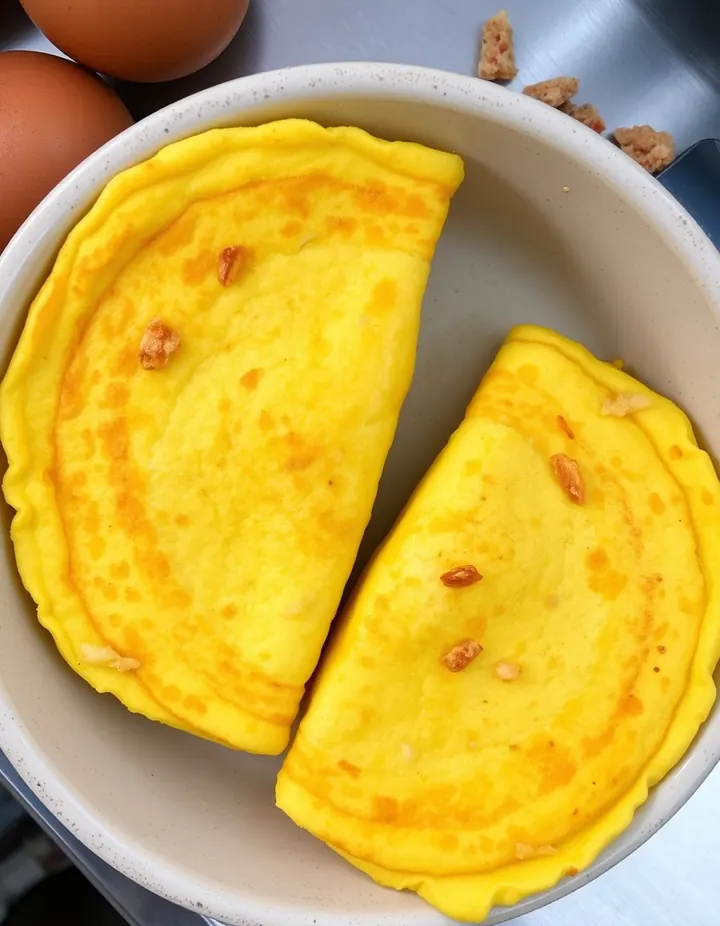
Fry the mixture in fresh butter to make little cakes.
Fry the bread triangles until brown.
Pour the sauce over the cooked carp.
Arrange the roe cakes and fried bread around the dish.
Garnish with scraped horseradish and parsley.
Place sliced lemon around the edge of the dish.
Serve hot.
Transcribed from a scanned cookbook and modernised for today's kitchens. Where the book gave no heat or time, or said "a moderate oven", the temperatures and times here may be modern equivalents rather than the book's own figures.
Explore the science
The flavor team
The pairs that carry this dish. Each one is judged two ways: how much aroma chemistry they share, and how many recipes mention both.
-
Mace + nutmegtop 1% of all pairsAroma overlapstrongMentioned together6,557 recipes
Shared aroma: myristicin (spice, warm).
-
Clove + nutmegtop 1% of all pairsAroma overlapstrongMentioned together8,368 recipes
Shared aroma: estragole (anise, licorice).
-
Mace + clovetop 2% of all pairsAroma overlapstrongMentioned together8,199 recipes
Shared aroma: methyleugenol (clove, spice).
-
Pepper + lemontop 2% of all pairsAroma overlapstrongMentioned together27,039 recipes
Shared aroma: 2-nonenal (fatty, green).
-
Beer + red winetop 2% of all pairsAroma overlapstrongMentioned together31 recipes
Shared aroma: isoamyl acetate (banana, fruity).
Ranks compare each pair with 20,000 random ingredient pairs on CompKitchen. How we score pairs
What each ingredient does
- Hard roe
- Thickens the sauce and gives the roe cakes a rich, savoury body.
- Egg yolk
- Binds the beaten roe mixture so it holds together as little cakes.
- Butter
- Adds richness and carries flavour, and browns the roe cakes and bread when fried.
- Ketchup
- Adds sweetness and tang to the sauce.
- Red wine
- Adds acidity and depth to the sauce as it simmers.
- Stale beer
- Poaches the fish and contributes malty, bitter flavour to the sauce.
The step that matters
Boil and stir until the sauce thickens. Stirring while it boils keeps the sauce smooth and evenly heated, and the roe and butter can separate or scorch if it is left unattended.
Flavor stand-ins for the onion
How well each one fits the dish's main ingredients (beer, red wine, mace, pepper, clove, nutmeg, lemon):
- Capsicumbetter flavor fit
- Carrotbetter flavor fit
- Tomatobetter flavor fit
- Onionthe original
Fit is the average pairing score against beer, red wine, mace, pepper, clove, nutmeg, lemon. Candidates are from the same food group and used in at least 100 recipes. This compares flavor only: it does not check the job the ingredient does in the dish (bulk, moisture, acidity, structure).
“What each ingredient does” and “The step that matters” were written by Claude from this recipe’s own method and reviewed in samples by CompKitchen.
You might also like
 Illustration
 Illustration
 Illustration
 Illustration
The Sunday pairing: one pairing, the chemistry behind it, and how to cook it. No spam, unsubscribe anytime.
Prefer an account? Create a free account for sign-in; Pro adds the full results and chemistry.