Why it works: Carrot and celery match in chemistry and in kitchens. They rank in the top 1% of all ingredient pairs, and cooks put them together in 10,173 recipes. Both carry myristicin, which smells spice, warm. The science ↓
Hessian Soup and Ragout
Ingredients
Directions
Prepare the meat
Clean the neat's tongue and ox's head with salt and water, then soak in plain water.
Stew the tongue and head in 5-6 quarts of water until tender.
Let the soup cool, then remove the fat for use in meat pies or basting.
Make the soup
Add split or whole peas, carrots, turnips, potatoes, onions, sweet herbs, and celery to the soup.
Simmer until vegetables are tender, then puree through a sieve until the soup is thick like cream.
Season with pepper, coarse sea salt, mace, allspice, ground cloves, and Cayenne pepper.
If the soup is not thick enough, boil in a slice of bread or add a little rice flour gradually.
Make the ragout and serve
For the ragout, cut the best parts of the head and tongue into small pieces.
Rub the pieces with seasoning and add to 1 quart of the reserved soup liquid.
Flour the meat and simmer until tender.
Add mushroom ketchup, walnut ketchup, soy sauce, port wine, and prepared mustard, then boil before serving.
Serve with small eggs and force-meat balls if desired.
Transcribed from a scanned cookbook and modernised for today's kitchens. Where the book gave no heat or time, or said "a moderate oven", the temperatures and times here may be modern equivalents rather than the book's own figures.
Explore the science
The flavor team
The pairs that carry this dish. Each one is judged two ways: how much their aromas overlap, and how often cooks already put them together.
-
Carrot + celerytop 1% of all pairsSmell alikestrongCooked together10,173 recipes
Shared aroma: myristicin (spice, warm).
-
Carrot + turniptop 1% of all pairsSmell alikestrongCooked together8,002 recipes
Shared aroma: coumarin (sweet, hay).
-
Turnip + celerytop 2% of all pairsSmell alikemoderateCooked together4,418 recipes
Shared aroma: coumarin (sweet, hay).
-
Potato + oniontop 3% of all pairsSmell alikemoderateCooked together9,023 recipes
Shared aroma: 2-isopropyl-3-methoxypyrazine (earthy, pea).
-
Carrot + potatotop 4% of all pairsSmell alikestrongCooked together3,107 recipes
Shared aroma: 2-isobutyl-3-methoxypyrazine (green bell pepper, earthy).
Ranks compare each pair with 20,000 random ingredient pairs on CompKitchen. How we score pairs
What each ingredient does
- Peas
- Break down during simmering to thicken the soup into a creamy texture.
- Potatoes
- Starch that thickens the pureed soup and adds body.
- Onions
- Build savory depth as they soften into the soup base.
- Bread
- Optional thickener that absorbs liquid and adds body to the soup.
- Port wine
- Adds sweetness and depth to the ragout's sauce.
- Prepared mustard
- Adds sharp acidity that balances the rich meat sauce.
The step that matters
Puree the soup to a creamy consistency. Pureeing through a sieve breaks down the cooked peas and vegetables so their starch thickens the liquid evenly. If the soup is left chunky or too thin, it will not reach the intended creamy body, and adding bread or flour afterward may leave lumps or uneven thickness.
Swap the mace
How well each one fits the dish's main ingredients (peas, carrot, turnip, potato, onion, celery, pepper):
- Parsleyfits better
- Thymefits better
- Marjoramfits better
- Macethe original
Fit is the average pairing score against peas, carrot, turnip, potato, onion, celery, pepper. Candidates are from the same food group and used in at least 100 recipes.
“What each ingredient does” and “The step that matters” were written by Claude from this recipe’s own method and reviewed in samples by CompKitchen.
You might also like
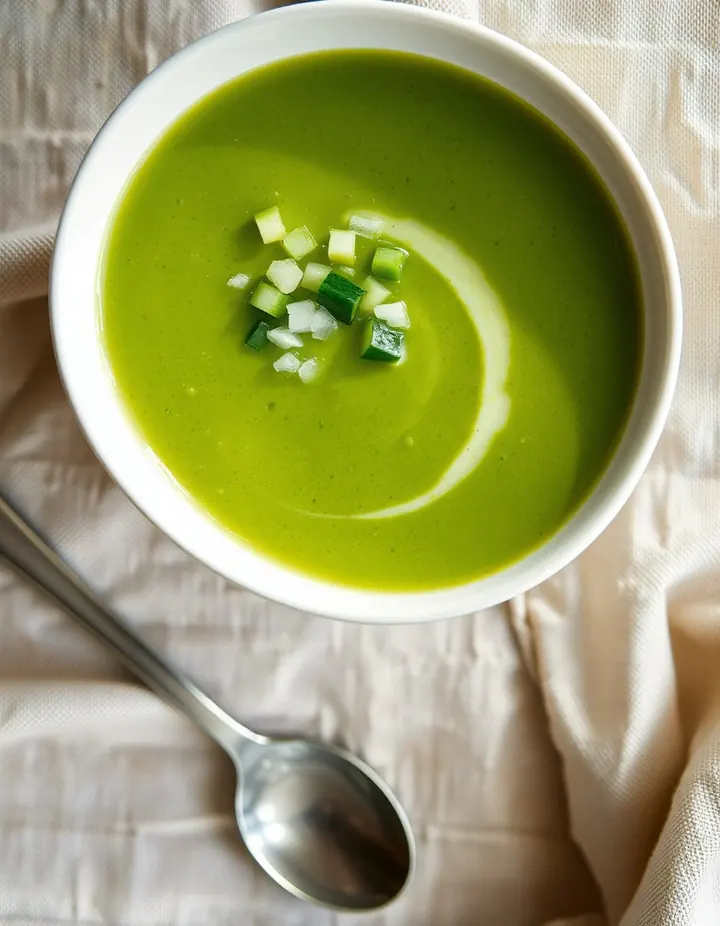 Meatless Green Pea Soup22 recipes
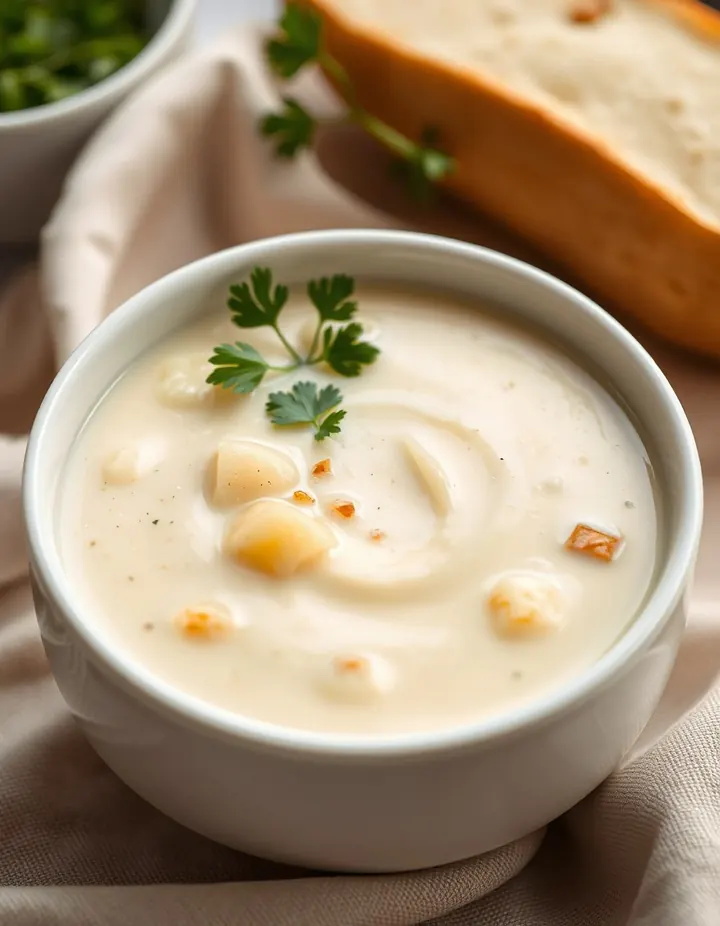 Indian Spiced Potato Soup with Tofu and Spinach448 recipes
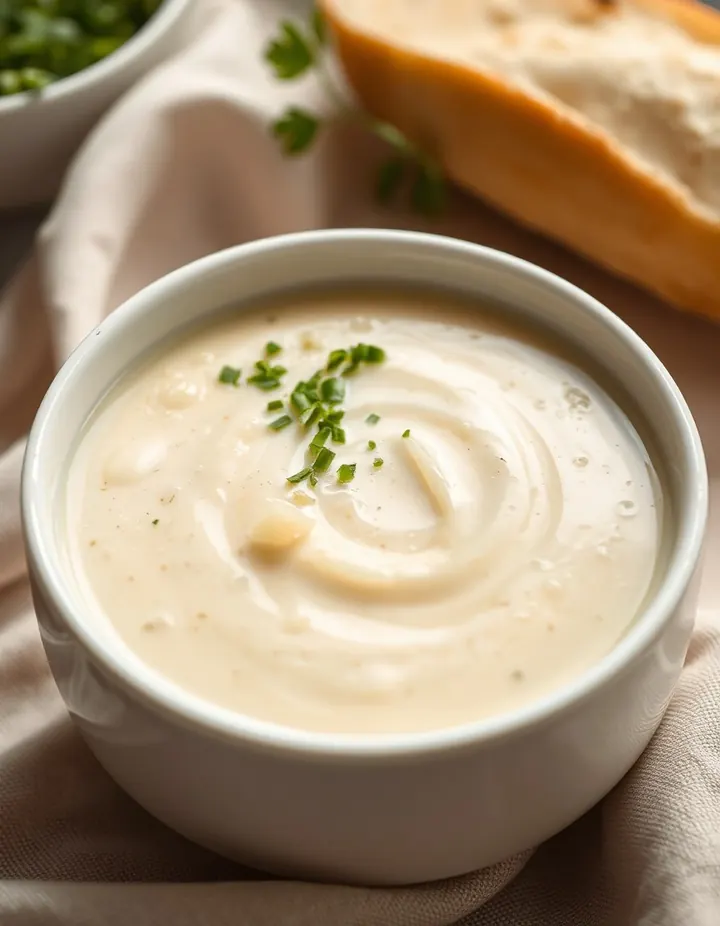 Cream of Potato Soup38 recipes
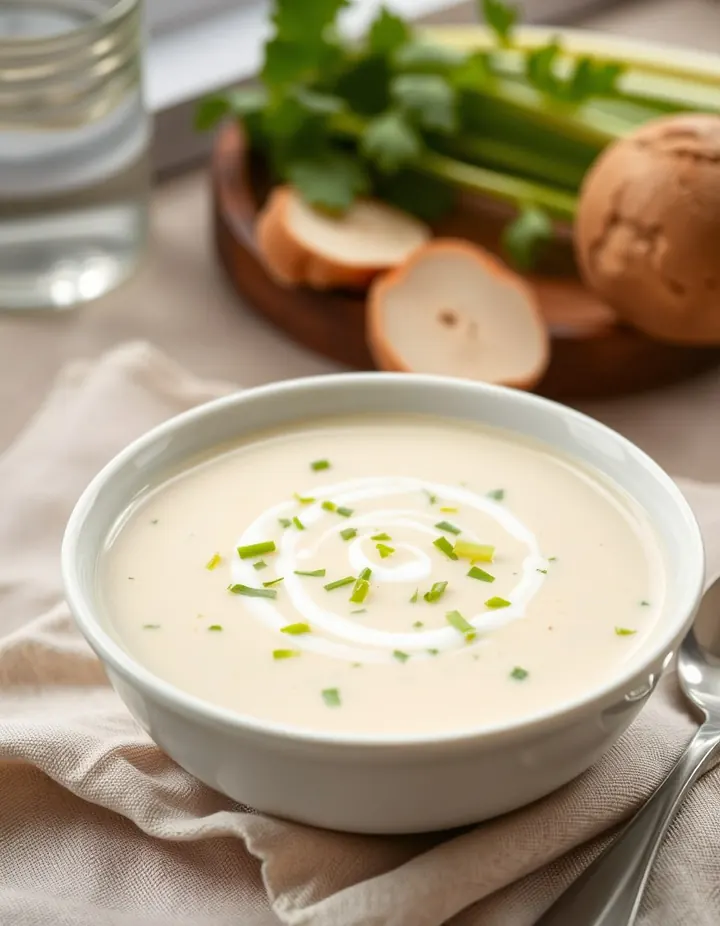 Cream of Celery37 recipes
The free Flavor Lab newsletter: one surprising pairing a week and the molecular reason it works, in 60 seconds. No spam, unsubscribe anytime.
Prefer an account? Create a free account to save pairings and unlock the full chemistry.