Why it works: Salmon and fish are a kitchen classic. They rank in the top 11% of all ingredient pairs, and cooks put them together in 1,078 recipes. Both carry (z)-4-heptenal, which smells biscuit, cream. The science ↓
To Boil Salmon
Ingredients
Directions
Prepare
Clean, scale, and wipe the salmon.
Place the salmon in a fish kettle and cover it with boiling water.
Add some coarse sea salt to the water.
Cook
Boil for 12 minutes per pound, adjusting for thickness.
Check doneness by inserting a knife between the fish and the bone; it should pass easily.
Once done, lift the salmon from the water and place it on a fish drainer to let excess water drip off.
Serve
Serve on a dish with a fish plate and a white napkin underneath.
Garnish with green parsley.
Serve with melted butter, parsley sauce, or lobster sauce in a tureen.
Transcribed from a scanned cookbook and modernised for today's kitchens. Where the book gave no heat or time, or said "a moderate oven", the temperatures and times here may be modern equivalents rather than the book's own figures.
Explore the science
The flavor team
The pairs that carry this dish. Each one is judged two ways: how much their aromas overlap, and how often cooks already put them together.
-
Salmon + fishtop 11% of all pairsSmell alikelowCooked together1,078 recipes
Shared aroma: (z)-4-heptenal (biscuit, cream).
Ranks compare each pair with 20,000 random ingredient pairs on CompKitchen. How we score pairs
What each ingredient does
- Salmon
- Is the main ingredient, cooked gently in water until its flesh turns opaque and flakes.
- Coarse sea salt
- Seasons the poaching water so the fish is lightly flavoured as it cooks.
The step that matters
Checking doneness. Salmon keeps cooking from residual heat after it leaves the water, and overcooking dries the flesh and loosens its texture. Testing with a knife between the flesh and bone shows whether it is done before it is lifted out.
“What each ingredient does” and “The step that matters” were written by Claude from this recipe’s own method and reviewed in samples by CompKitchen.
You might also like
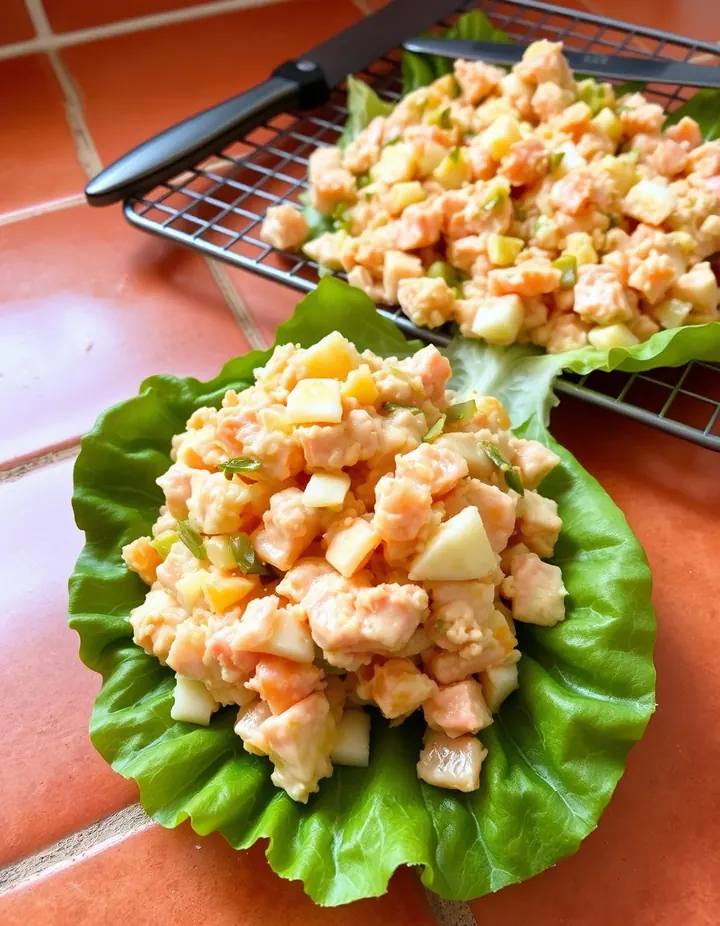 Salmon Salad155 recipes
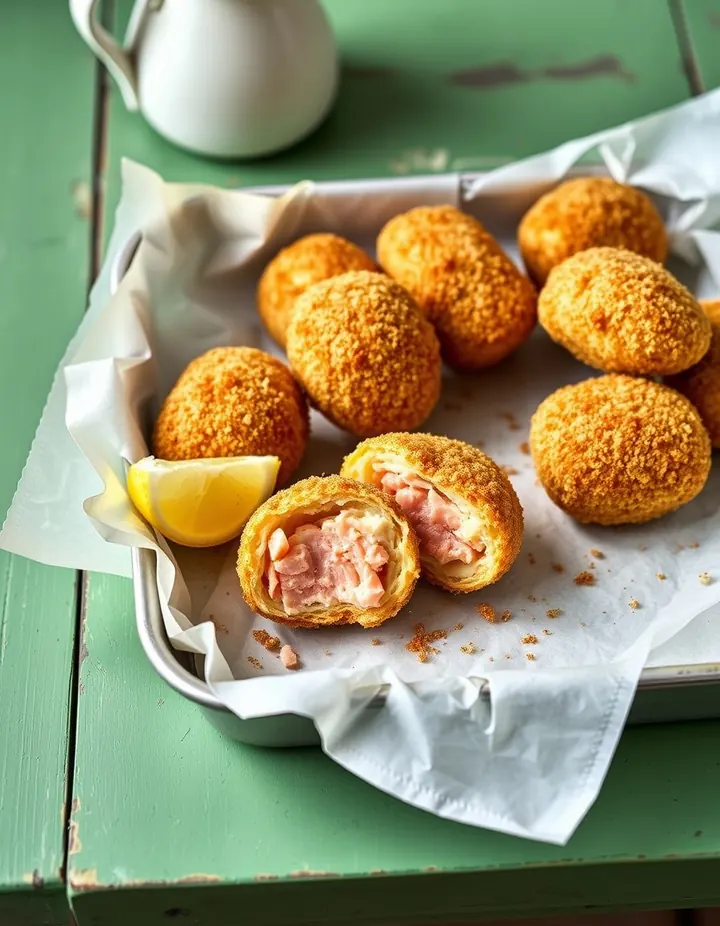 Salmon Croquettes129 recipes
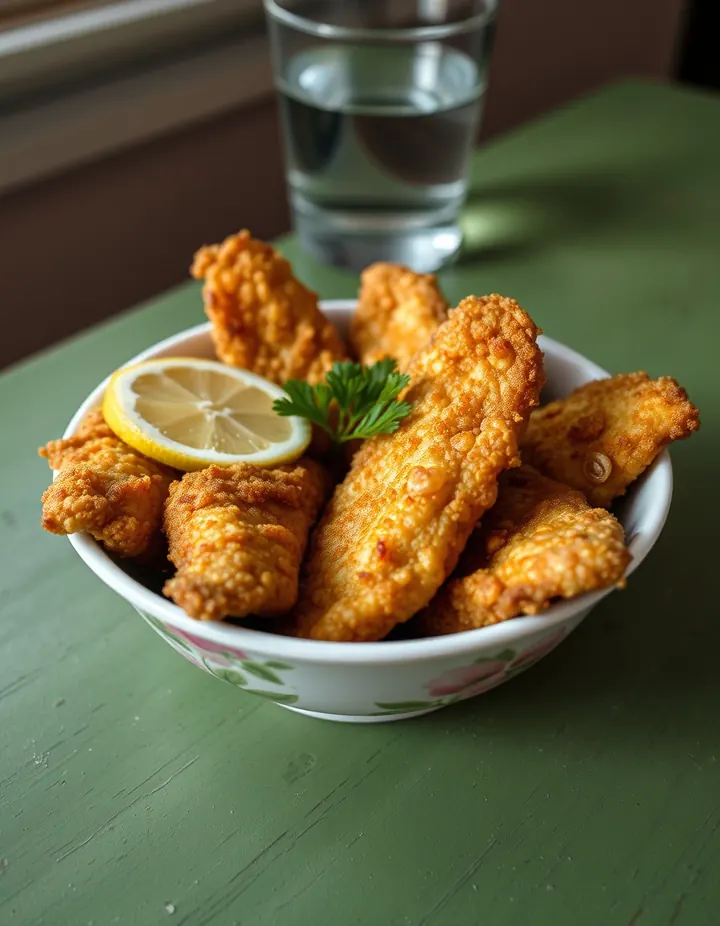 Fried Fish120 recipes
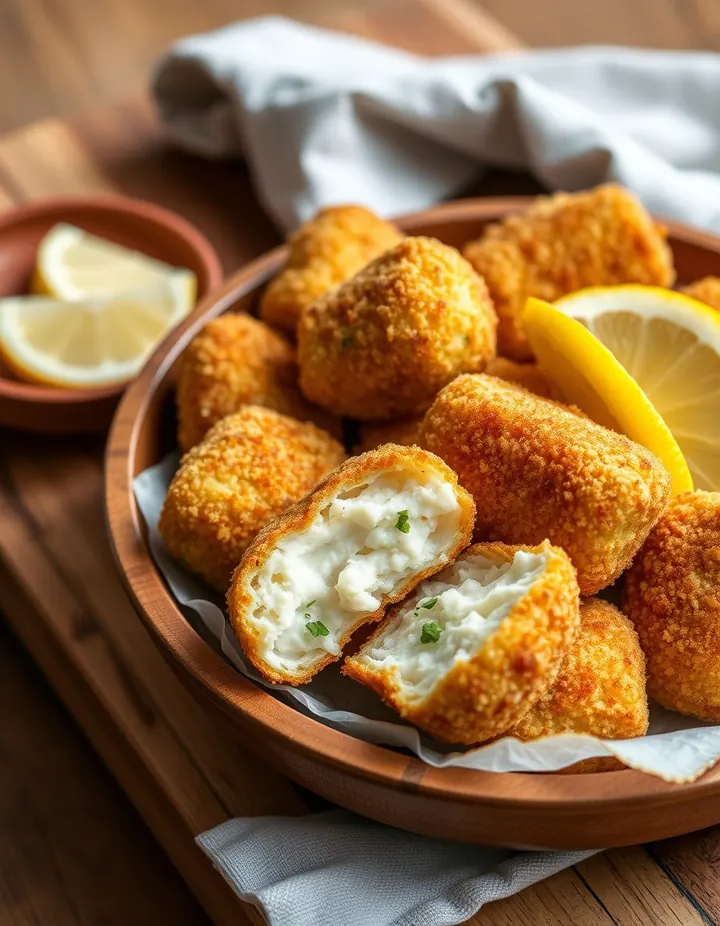 Fish Croquettes81 recipes
The free Flavor Lab newsletter: one surprising pairing a week and the molecular reason it works, in 60 seconds. No spam, unsubscribe anytime.
Prefer an account? Create a free account to save pairings and unlock the full chemistry.