Why it works: Onion and garlic match in chemistry and in kitchens. They rank in the top 1% of all ingredient pairs, and 29,058 recipes mention both. Both carry furaneol, which smells caramel, strawberry. The science ↓
An Indian Receipt
Ingredients
Directions
The book gives no oven temperature. The 400°F (200°C) in the steps was added when the recipe was transcribed, as a starting point.
Prepare the fowl
Roast the fowl before a 400°F (200°C) fire for 30 minutes, basting with butter.
Let the fowl cool, then cut the white meat into 1-inch pieces.
Make the curry
Fry the apple, onions, garlic, and lettuce in the remaining butter until tender but not browned.
Break the fowl bones and add them to a stewpan with the trimmings, vegetables, cocoa-nut, tamarinds, curry powder, flour, salt, mint, sugar, and water.
Boil for 1.5 hours.
Strain through a fine sieve.
Add the stock and fowl pieces to the strained liquid.
Simmer gently for 45 minutes.
Stir in the lemon juice and cream.
Cook the rice and serve
Wash the rice.
Put the rice in cold water with salt.
Boil slowly for 25 minutes, stirring frequently.
Drain the rice.
Stir with a wooden fork to separate the grains.
Serve immediately with boiled rice and cut lemons.
Transcribed from a scanned cookbook and modernised for today's kitchens. Where the book gave no heat or time, or said "a moderate oven", the temperatures and times here may be modern equivalents rather than the book's own figures.
Explore the science
The flavor team
The pairs that carry this dish. Each one is judged two ways: how much aroma chemistry they share, and how many recipes mention both.
-
Onion + garlictop 1% of all pairsAroma overlapstrongMentioned together29,058 recipes
Shared aroma: furaneol (caramel, strawberry).
-
Lettuce + tamarindtop 5% of all pairsAroma overlapstrongMentioned together20 recipes
Shared aroma: nonanal (fat, citrus).
-
Clove + tamarindtop 6% of all pairsAroma overlapstrongMentioned together145 recipes
Shared aroma: ethyl cinnamate (sweet, balsamic).
-
Apple + clovetop 6% of all pairsAroma overlapmoderateMentioned together2,774 recipes
Shared aroma: ethyl octanoate (fruity, wine).
-
Garlic + tamarindtop 8% of all pairsAroma overlapstrongMentioned together395 recipes
Shared aroma: furaneol (caramel, strawberry).
Ranks compare each pair with 20,000 random ingredient pairs on CompKitchen. How we score pairs
What each ingredient does
- Fowl
- Provides the meat and, through its bones, the rich body of the curry sauce.
- Butter
- Adds fat and richness while frying and basting the fowl.
- Onions
- Break down into sweetness and body that thickens the curry base.
- Curry powder
- Supplies the spiced aroma and flavour that defines the dish.
- Flour
- Thickens the sauce so it clings to the fowl pieces.
- Rice
- Soaks up the sauce and provides a neutral starch base for the curry.
The step that matters
Simmer gently for 45 minutes. Gentle heat keeps the fowl pieces tender and the sauce smooth; a hard boil toughens meat and can break the sauce. Cream and lemon are stirred in afterwards so they do not curdle under prolonged heat.
Flavor stand-ins for the cocoa
How well each one fits the dish's main ingredients (butter, apple, onion, clove, garlic, lettuce, tamarind):
- Chickpeabetter flavor fit
- Cashew nutbetter flavor fit
- Beansbetter flavor fit
- Cocoathe original
Fit is the average pairing score against butter, apple, onion, clove, garlic, lettuce, tamarind. Candidates are from the same food group and used in at least 100 recipes. This compares flavor only: it does not check the job the ingredient does in the dish (bulk, moisture, acidity, structure).
“What each ingredient does” and “The step that matters” were written by Claude from this recipe’s own method and reviewed in samples by CompKitchen.
You might also like
 Lemon Sauce236 recipes
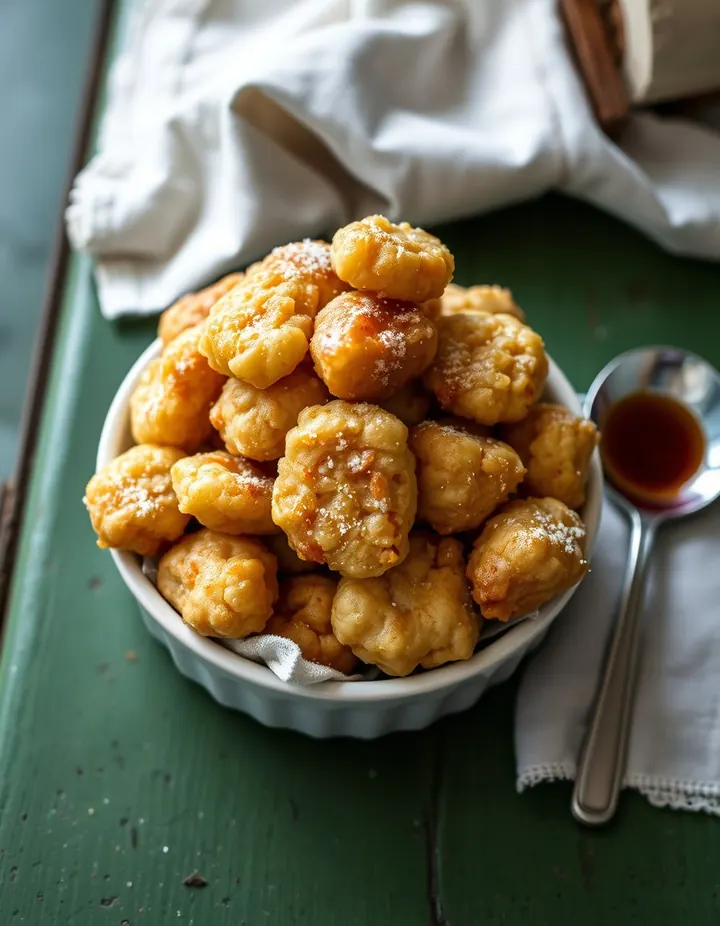 Rice Fritters84 recipes
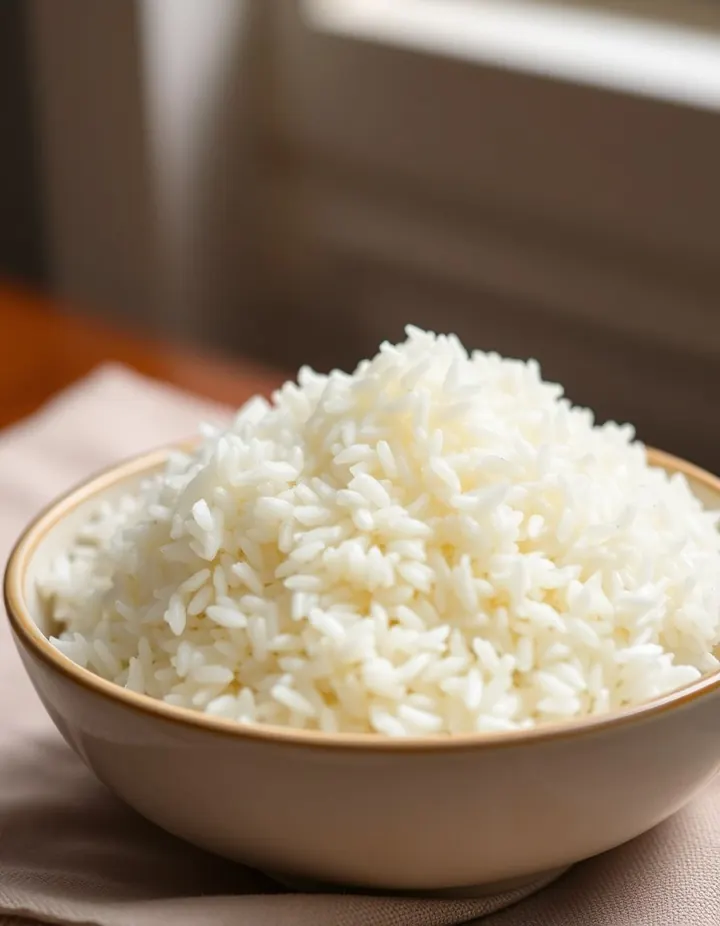 Steamed Rice48 recipes
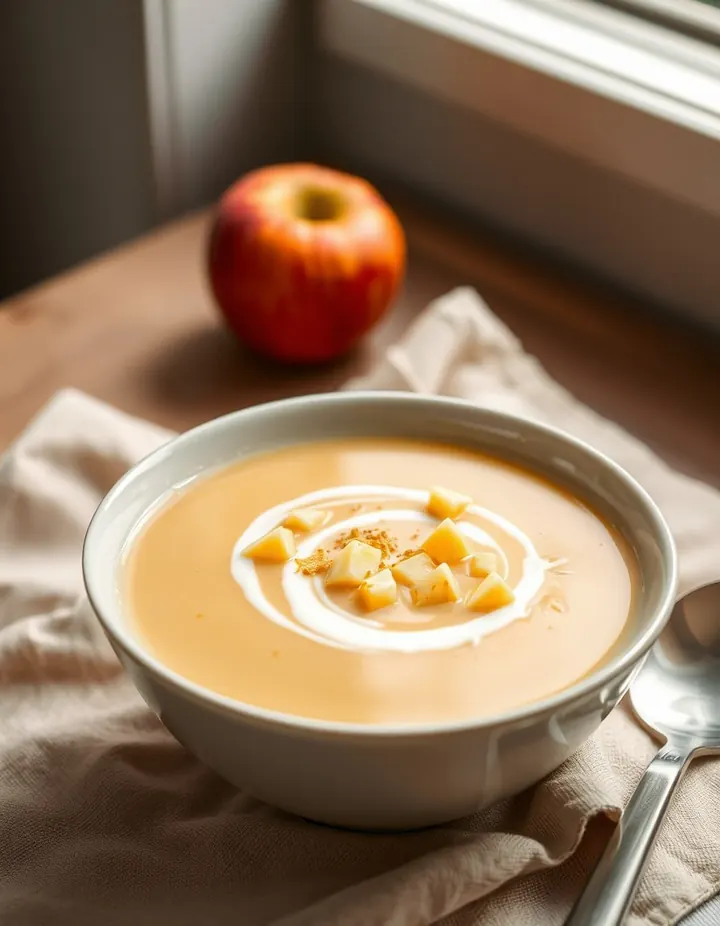 Apple Soup33 recipes
The Sunday pairing: one pairing, the chemistry behind it, and how to cook it. No spam, unsubscribe anytime.
Prefer an account? Create a free account for sign-in; Pro adds the full results and chemistry.